
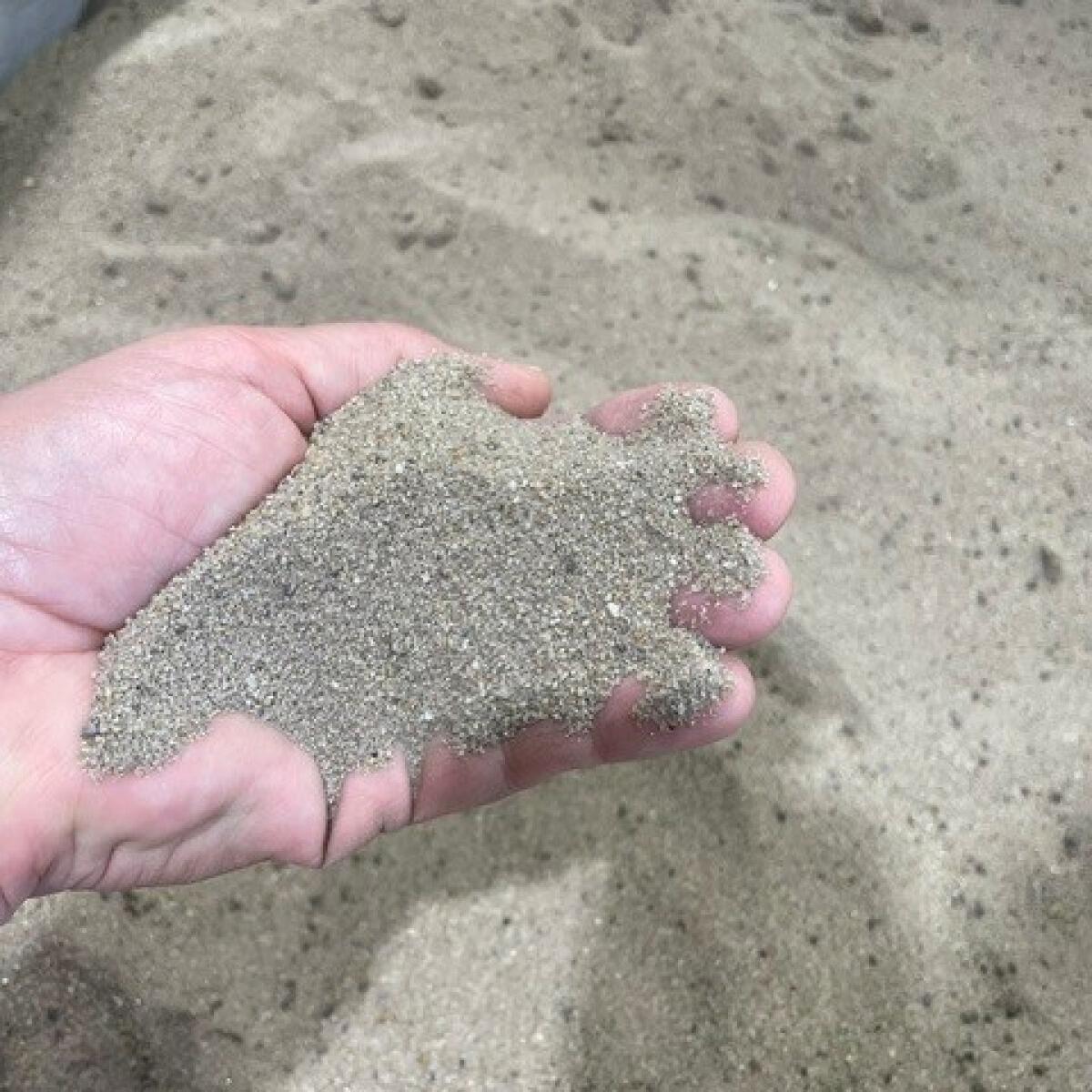
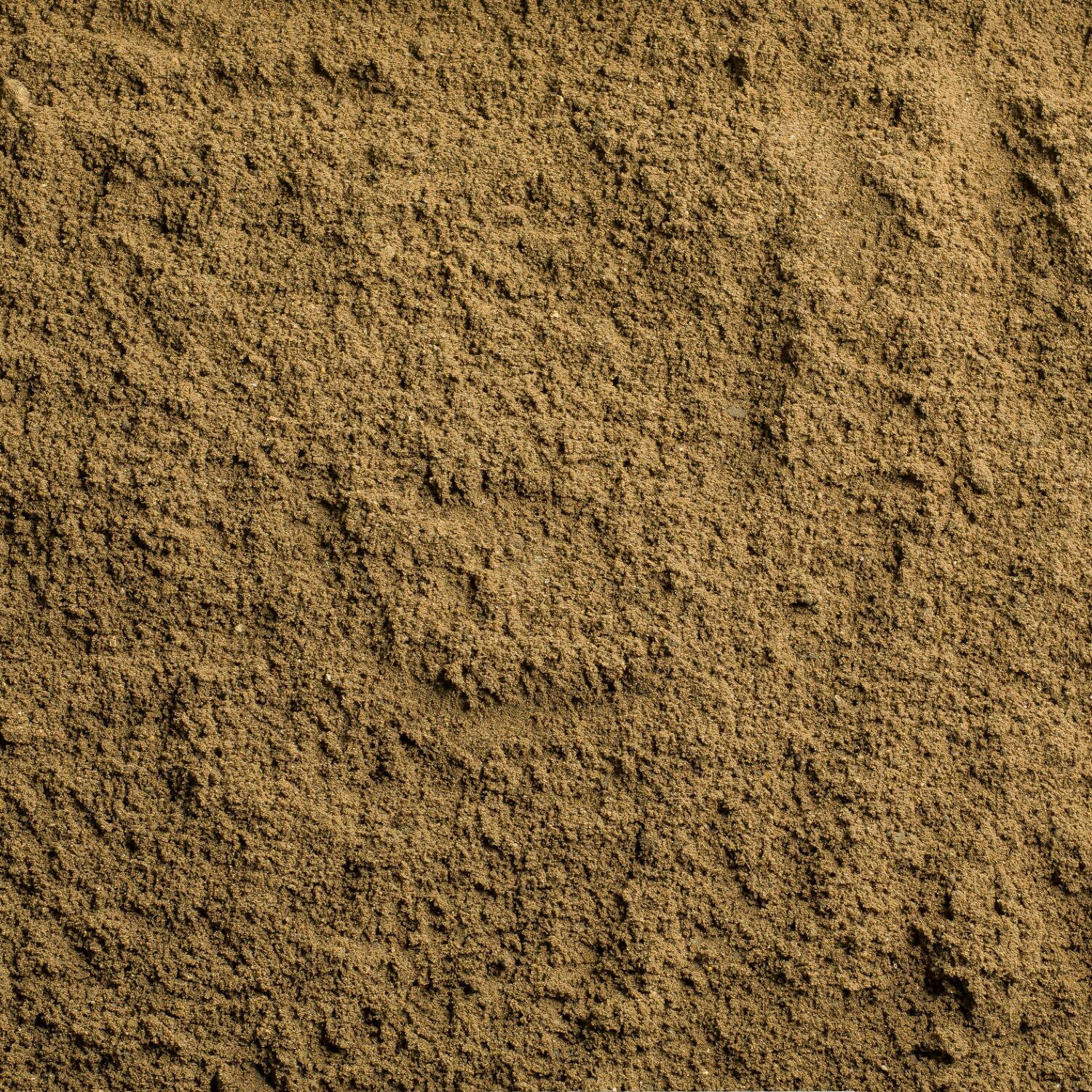

Top Dressing
Lawn top dressing is a graded, free-flowing blend of screened soil and sand, spread thinly over the grass to level bumps, dilute thatch and improve the surface.
Apply an average of 3 to 5mm, worked in with a lute so about 75% of each blade still shows, in early autumn or spring, then overseed and feed. Sold in 0.73m³ bulk bags of roughly a tonne, or loose by the tonne, and delivered across the south of England.
30% soil
roughly a tonne
at 3mm
worked in
Order top dressing
Add Top Dressing to your basket, size it with the calculator, and pair it with grass seed and feed.
| Size your lawn in the calculator → |
| Browse grass seed → |
| Explore fertilisers → |
What is top dressing for?
Top dressing improves an established lawn from the surface down. Spread thinly and worked in, it levels the minor bumps and hollows that build up over the years so the mower stops scalping, dilutes the spongy thatch layer that stops water and air reaching the roots, and opens the surface so the lawn drains and grows better. It also gives overseeding a fine, firm bed. It is graded to settle into the sward, which is what separates it from a levelling topsoil that would cap the surface and smother the grass.
What tools do you need?
Very little. A wheelbarrow and shovel to move and tip it, a lute or stiff yard brush to work it down between the blades, and a rake or drag mat to spread it level on a smaller lawn. If you are dressing as part of a renovation, add a scarifier and an aerator, and a spreader for overseeding. That short list is part of why top dressing is a job most people can do themselves in a weekend rather than paying a contractor for.
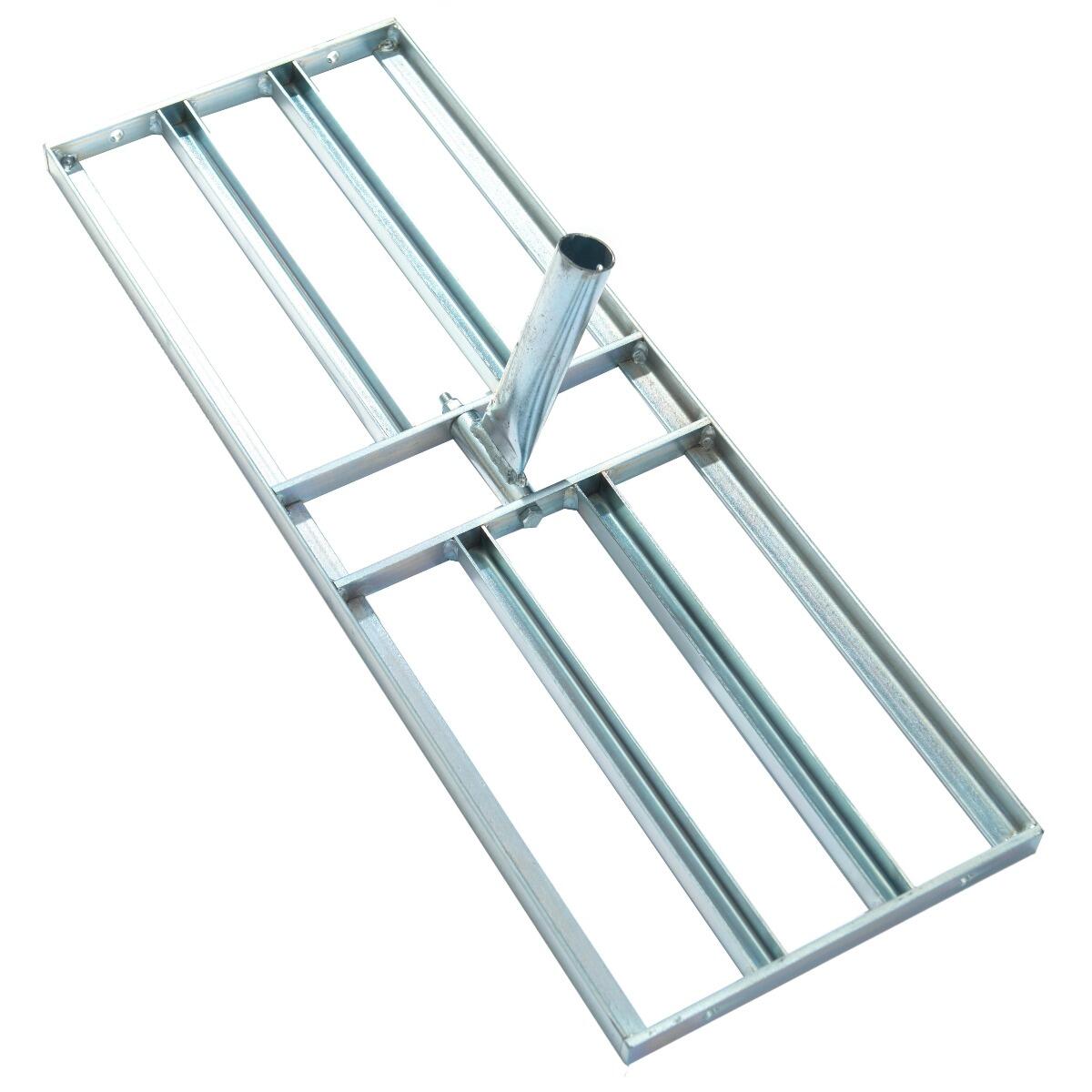
Chelute
A 700 x 250mm galvanised head on an 1800mm ash handle. The tool this product is designed to be applied with.
Buy the Chelute lawn lute →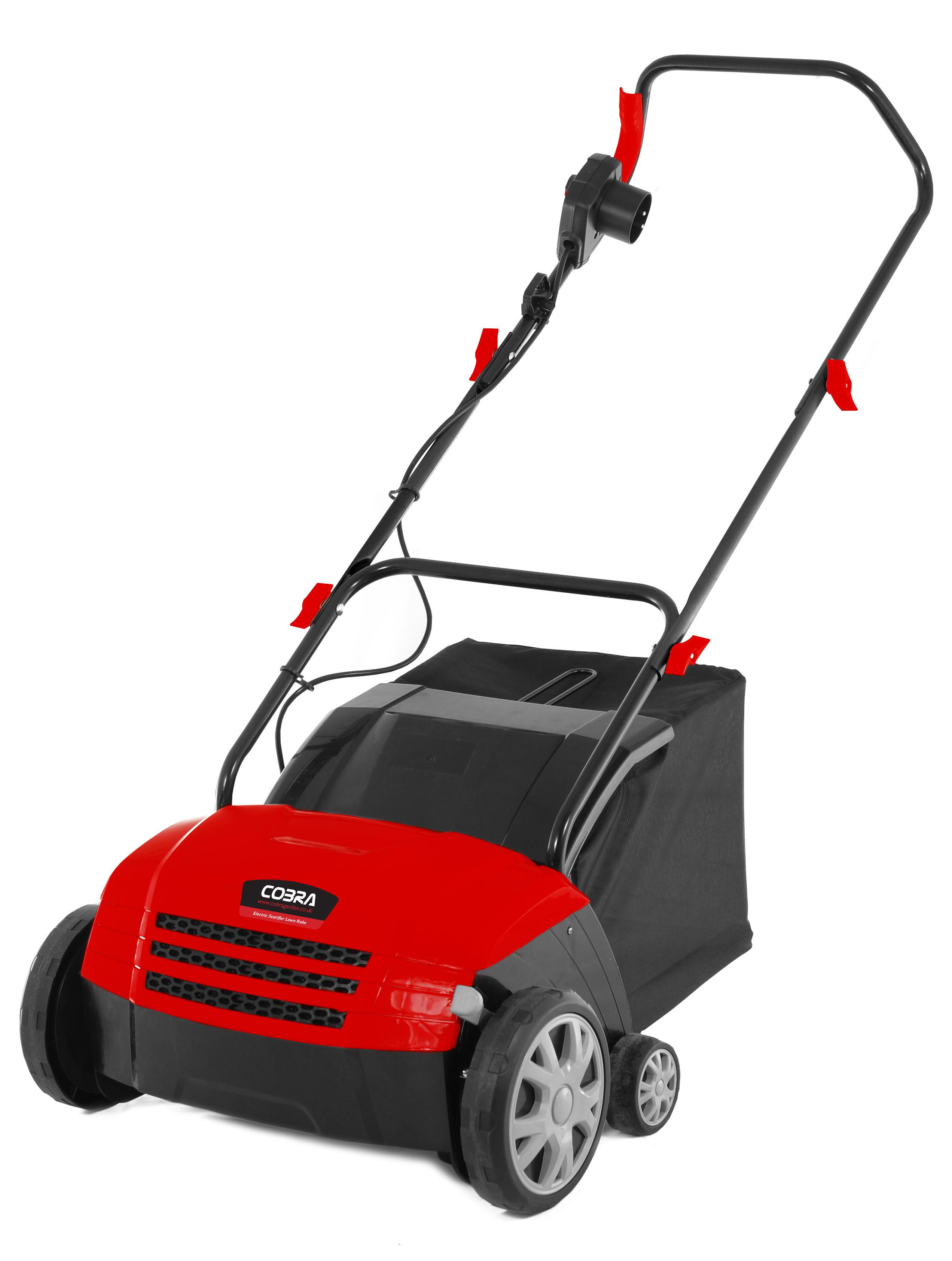
COBRA SA32E 13" Scarifier
Pulls the thatch out so the dressing reaches soil instead of perching on a dead mat.
Get the COBRA SA32E scarifier →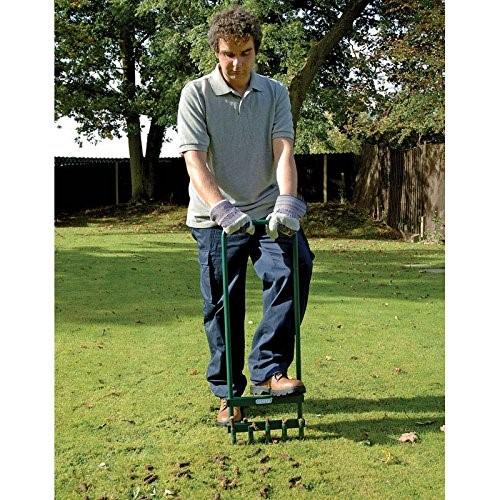
Draper Lawn Aerator
Gives the dressing somewhere to settle, and it is what makes a sandy dressing work on heavy ground.
Order the Draper Lawn Aerator →When and how to apply it
Apply top dressing while the grass is actively growing, in early autumn or spring, ideally after scarifying and aerating. Spread it in a thin, even 3 to 5mm layer on a dry day so it flows, then drag a lute or stiff brush back and forth in different directions so it drops between the blades and about 75% of each blade still shows. Overseed thin areas as you dress, then water it in and keep the surface just moist while the seed germinates. Avoid frost, drought and high summer, when the grass is too stressed to recover through the dressing.
How much do you need?
A 0.73m³ bulk bag holds roughly a tonne and covers about 240m² at a standard 3mm, or around 140m² at a heavier 6mm over a bumpy surface. So a typical 200m² lawn takes a single bulk bag at 3mm, a 100m² lawn half a bag, and a large lawn is often better as a loose load booked up to 9 tonnes within our delivery area. Order a touch over rather than under, because the low spots always take more. Enter your lawn size in the turf and topsoil calculator for the exact number of bags.
A 200m² lawn at 3mm takes one bulk bag. Put your measurements in and the calculator returns the bag count with a margin already applied.
| Open the calculator → |
Top dressing versus topsoil versus lawn sand
These three get muddled, and the wrong choice sets a lawn back. Top dressing is graded to work into an existing sward in a thin layer and improve it. Topsoil is a heavier fill for levelling bare ground, filling beds or building up before you lay new turf, and spread over grass it caps the surface and smothers the lawn. Plain lawn sand is only sand, so it drains and firms but adds no soil or nutrition and dries a lawn out on its own. Top dressing gives the drainage of sand with enough graded soil to work into the lawn. For the topsoil grades, see screened against premium topsoil.
Levelling a bumpy lawn
Level a bumpy lawn with thin, repeated dressings, not one thick layer that would smother the grass. A single 5mm dressing settles shallow unevenness as the grass grows through; deeper hollows from wear, moles or old paths build up over two or three dressings across a season, letting the grass recover between each. Hollows deeper than about 20mm are quicker to fix by lifting the turf, adding soil underneath and relaying it, and high bumps by lifting, removing some soil and relaying flat.
Top dressing a waterlogged lawn
For a lawn that puddles and stays soggy, a sandy top dressing brushed into aeration holes each autumn builds a freer-draining top layer over a couple of seasons. Hollow-tine to pull cores, work the dressing hard into the holes and across the surface, and repeat. It will not cure drainage caused by a hard pan or a high water table, which needs land drainage, but for the common compacted, heavy-topped lawn it is the affordable first move and pairs naturally with an autumn renovation.
What to use with it
Top dressing works best alongside seed and feed. Follow it with ST Overseed grass seed to thicken thin areas, and Stripy Green fertiliser to build roots, or choose an autumn feed from the fertiliser range to harden the lawn for winter. For the full step-by-step and the renovation order, see the lawn top dressing guide and the autumn renovation guide.

ST Overseed seed
Four perennial ryegrasses, sold by the kilogram. The dressing gives it the fine, firm bed it needs to take.
Shop ST Overseed seed →
Stripy Green
Phosphorus led at N-10, P-15, K-10, so it builds roots on the new grass rather than forcing soft top growth.
Get Stripy Green fertiliser →Aftercare once it is down
The fortnight after dressing decides the result. Keep any seeded areas just moist, watering little and often so the surface never dries out while the seed germinates, and stay off the lawn so footprints do not press it into hollows. Leave the first mow until the new grass reaches about 100mm, then take only the top third off with a sharp blade set high. By mid-autumn a well-dressed lawn is knitting together and greening up for the year ahead.
Bag sizes, loose loads and delivery
Top dressing comes in 0.73m³ bulk bags of roughly a tonne, loose by the tonne, and by the kilogram or in refill bags from the yard. Loose deliveries can be booked up to 9 tonnes within our delivery area. Delivery runs on our own vehicles across the south of England, with Dorset, Somerset, Devon, Hampshire and Wiltshire our key counties, and bagged orders go nationwide on a pallet line network, all charged by postcode, and collection from The Lawn and Landscape Centre avoids the charge. See the delivery page for your area.
Top dressing FAQ
How much top dressing do I need per square metre?
At a 3mm depth, a 0.73m³ bulk bag covers about 240m², so a 200m² lawn takes one bag. Use the calculator to size your lawn exactly.
When should I top dress my lawn?
Early autumn or spring, while the grass is growing. September is ideal. Avoid frost, drought and high summer.
How thick should I spread it?
An average of 3 to 5mm, worked in so about 75% of the grass blade still shows. Thicker layers smother the lawn.
Is top dressing the same as topsoil?
No. Top dressing is graded to work into the sward on an existing lawn. Topsoil is for levelling and filling and sits too heavy on grass.
Will top dressing help a waterlogged lawn?
Yes, a sandy dressing worked into aeration holes each autumn builds a freer-draining top layer. It will not fix drainage from a hard pan or high water table.
Will top dressing level a bumpy lawn?
Yes, over more than one dressing for deeper hollows. Build the level up with thin repeat layers so you never smother the grass.
Should I overseed when I top dress?
Early autumn is the ideal time to overseed thin areas as you dress, because the dressing gives the new seed a fine, firm bed.
Do you deliver top dressing locally?
Yes, across the south of England, charged by postcode, with loose loads up to 9 tonnes and collection from the yard as an option.
How Much Topsoil Do You Need Before Laying Turf?
The other side of the soil question, for anyone building a base rather than dressing an established lawn.
Read how much topsoil a turf base needs →Should You Buy Loose Loads or Bulk Bags for Landscaping Materials?
Where the crossover sits between a bulk bag and a loose load once the lawn gets past a few hundred square metres.
Read loose loads against bulk bags →Order top dressing this autumn
Sherborne Turf supplies lawn top dressing from The Lawn and Landscape Centre in Sherborne, Dorset, DT9 4GH, across the south of England on its own vehicles. Add Top Dressing to your basket with grass seed and feed, size the job with the calculator, and call 01935 850388 for a loose-load quote.
| Add ST Overseed seed → |
| Browse lawn and plant care → |
For a loose-load booking or a postcode delivery quote, call 01935 850388 or email enquiries@sherborneturf.co.uk. Groundcare teams dressing several sites can apply for a trade account.


