Compost and topsoil are not the same, and using the right one at the right stage makes a clear difference to planting success, turf preparation, soil improvement and long-term garden performance. Topsoil is the main growing layer that supports roots, structure, levels and moisture balance, while compost is an organic material used to improve soil condition, feed planting areas and increase biological activity. Buyers often treat them like interchangeable bulk materials because both look earthy and both sit at the base of many garden projects. That mistake leads to weak lawns, poor planting results, uneven preparation and wasted spend. Sherborne Turf helps customers across Sherborne, Dorset and Somerset choose the right material for the right job by supplying premium topsoil, compost and practical local advice that fits real gardens and real landscaping work.
Key takeaways
Topsoil is the main upper soil layer used for lawns, beds, borders and general garden preparation.
Compost is an organic soil improver used to enrich soil, support planting and improve structure.
Topsoil and compost do different jobs, even though they are often used together.
Topsoil is usually the base material for turf preparation and levelling.
Compost is usually added to improve soil condition rather than replace the full soil layer.
Using compost instead of topsoil can create weak or uneven results on many lawn projects.
Using poor topsoil without compost can limit planting performance and soil improvement work.
The right choice depends on whether the project is turfing, planting, border improvement, raised beds or general landscaping.
Sherborne Turf can help buyers match compost, topsoil and delivery choices to the actual job.
Sherborne Turf helps buyers choose the right base material before money is wasted on the wrong one
Sherborne Turf helps buyers make better project decisions because many lawn and garden jobs fail at the material stage rather than at the planting stage. Local customers often need more than a price list. Local customers often need clear guidance on whether the job needs premium topsoil, compost, both materials together, or a different preparation method altogether.
Regional support matters because Dorset and Somerset gardens vary in soil quality, drainage, plot history and project type. Garden work in a tired village border, a new-build lawn, a compact town garden or a trade landscaping scheme will not always need the same material mix. Sherborne Turf can support those differences because the business supplies turf, premium topsoil, compost and wider landscaping materials with practical local project knowledge.
What is the difference between compost and topsoil?
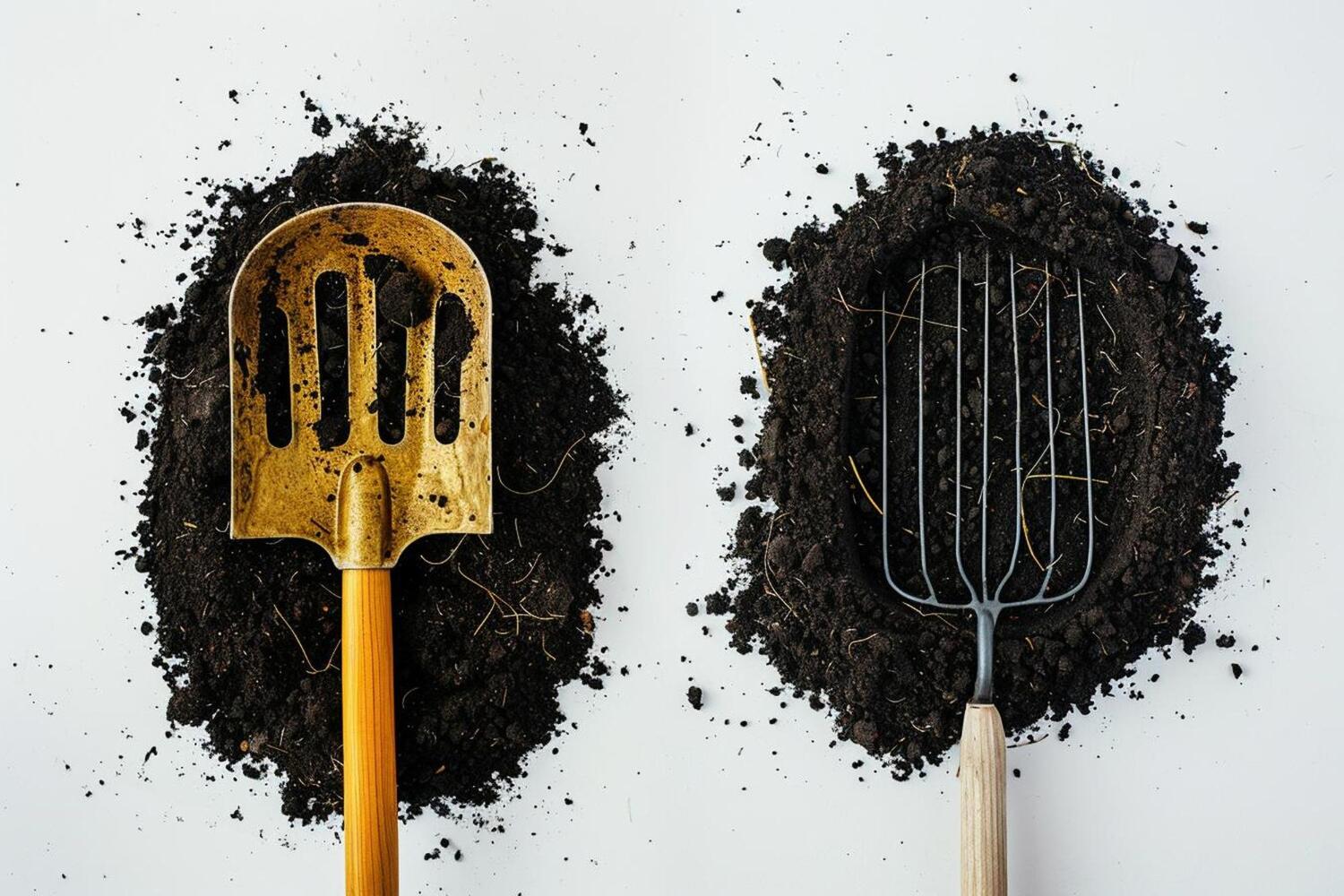
Topsoil is the main upper layer of soil used to create or improve the growing base, while compost is an organic material used to improve soil condition and support plant growth. Topsoil forms the structure and body of the root zone. Compost adds fertility, organic matter and biological value to that root zone. They often work best together, but they are not replacements for one another in most projects.
Material function is the clearest way to understand the difference. Topsoil builds the layer that roots grow into. Compost improves that layer by adding organic content and helping the soil behave better over time. Buyers who understand that difference early usually avoid ordering the wrong product and then trying to make it work after delivery.
What topsoil actually is
Topsoil is the upper layer of soil used for lawns, beds, borders and landscape preparation. Soil structure, moisture balance, depth and root support all depend heavily on the quality of that layer. Good topsoil provides the foundation that grass, shrubs, perennials and other plants need if they are going to establish and perform well.
Base quality matters because topsoil does more than fill space. Levels, drainage, firmness and long-term plant performance all begin with the material chosen for the main growing layer. Sherborne Turf can help buyers understand this because many customers ordering turf, beds or border materials also need premium topsoil to create the right base before the visible planting stage begins.
What compost actually is
Compost is an organic soil improver made from decomposed natural material that is used to enrich soil and support plant growth. Organic content is the key feature that separates compost from a standard topsoil product. Compost adds life, texture improvement and nutrient support to the soil rather than acting as the main structural soil layer in most garden projects.
Soil improvement is the main purpose of compost. Planting areas, tired beds, vegetable plots and mixed borders often benefit from compost because it helps the ground become more workable and more supportive for roots over time. Sherborne Turf’s compost offer fits naturally into this kind of project because buyers often need to improve the soil as well as build or repair the garden.
Why people confuse compost and topsoil so often
Appearance is one reason people confuse compost and topsoil so often. Both materials can look dark, loose and earthy when delivered, which makes them seem interchangeable to buyers who are not using them every day.
Function is the missing piece in that comparison. Topsoil is about building the main root zone and finished levels, while compost is about improving the performance of soil that already exists or that is being blended into a better growing medium. Sherborne Turf often helps customers solve this confusion because the wrong bulk material choice can weaken a project before the first turf roll or first plant even goes in.
Why the difference matters before you buy anything
Material choice matters before you buy anything because the wrong product can create the wrong base, the wrong drainage behaviour and the wrong planting results. Compost spread across a lawn area where premium topsoil was needed will not create the same finished level or the same structural support. Topsoil used alone in a planting area where soil improvement is needed may still leave the bed underperforming.
Project success usually starts with choosing the right base material, not the nicest-looking bag or the cheapest loose load. Sherborne Turf helps buyers avoid that early mistake because the business can talk through the intended use, the condition of the ground and the best material route before delivery happens.
What topsoil does in a garden project
Topsoil creates the main growing layer that supports roots, levels, drainage and general soil structure. Lawn preparation, bed building, border reshaping and wider landscaping work often depend on topsoil because the base layer needs to be built or improved before the visible part of the project can succeed.
Structure is the biggest job topsoil does. Turf roots need a suitable layer below the roll, and planting roots need a workable zone that holds enough moisture while still allowing drainage and root movement. Sherborne Turf’s premium topsoil is commercially important because many buyers need this exact support product to make the more visible parts of the garden work properly.
What compost does in a garden project
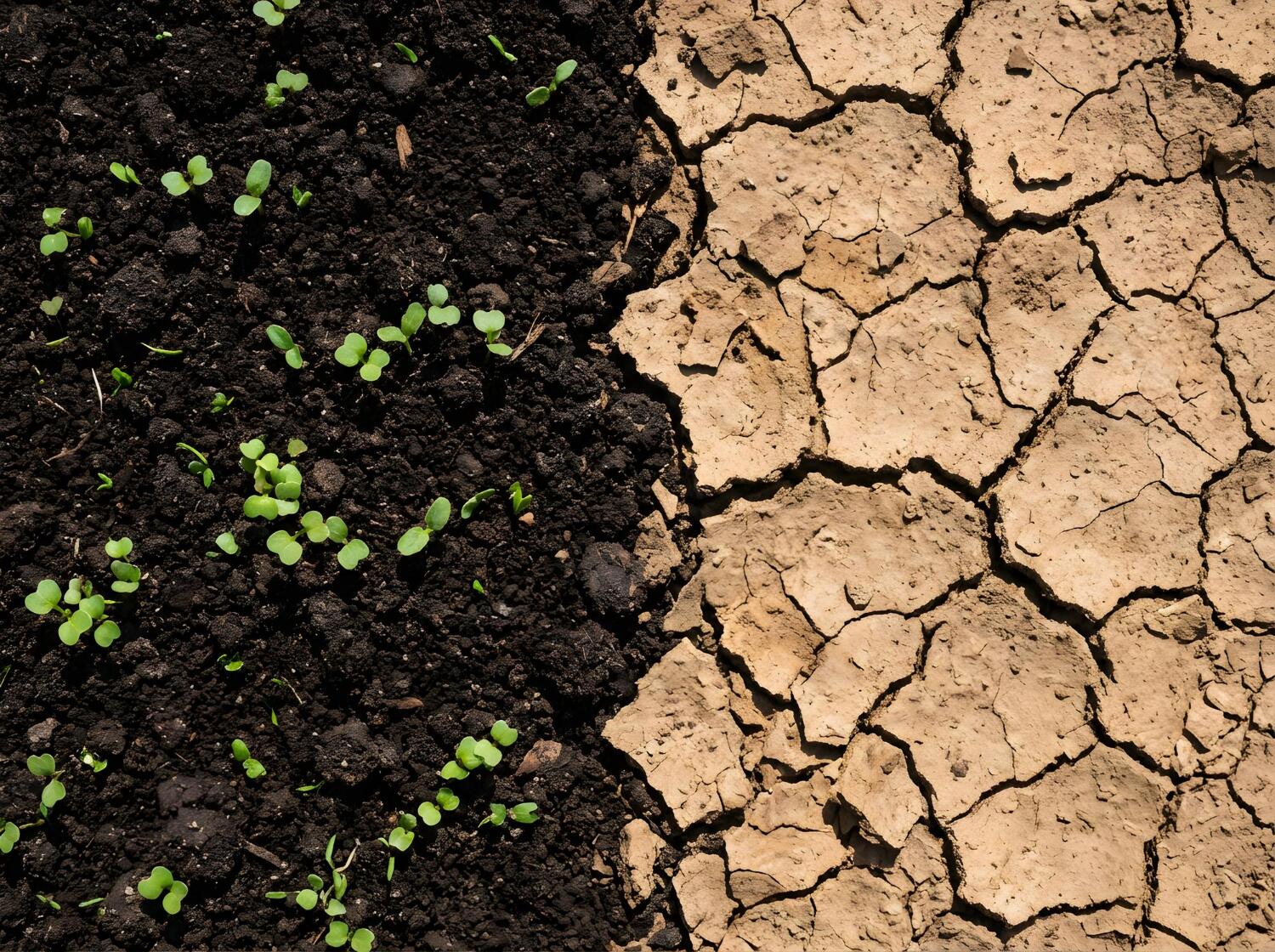
Compost improves soil rather than replacing the whole root zone in most situations. Organic enrichment, better texture and support for plant health are the main reasons compost is used. Buyers often add compost when borders are tired, vegetable areas need renewal, raised beds need enrichment or poor ground needs help before planting.
Fertility support is one of the biggest benefits compost brings. Soil that lacks organic matter often becomes harder, less active and less productive over time, especially in planted areas that are expected to keep performing season after season. Sherborne Turf can support that kind of project because compost often sits alongside topsoil, bark mulch and other garden improvement materials in a wider outdoor plan.
Can compost replace topsoil?
Compost cannot fully replace topsoil in most lawn and landscaping projects because compost is not designed to act as the main structural soil layer on its own. Organic material improves soil, but it does not usually perform like a full topsoil layer for levelling, depth building and base formation. Buyers who swap one for the other often find the result unstable or unsuitable.
Project use decides how serious that mistake becomes. Turf preparation, major levelling and base building usually need proper topsoil, while compost works better as an improvement material blended into or added onto the soil in the right context. Sherborne Turf can help buyers avoid this common mistake because the business can match the product to the intended use before the wrong material is delivered.
Can topsoil replace compost?
Topsoil cannot fully replace compost when the job needs organic enrichment, soil improvement or better long-term planting performance. Soil structure and soil nutrition are linked, but they are not the same thing. Premium topsoil may provide a good base, yet planting areas often still benefit from compost where added organic matter is needed.
Planting quality often shows the difference quite quickly. Borders, vegetable beds and refreshed growing areas may establish more slowly or perform less well if the soil lacks compost and only topsoil is used. Sherborne Turf can help customers see where topsoil is enough on its own and where compost should be part of the plan as well.
When should you use topsoil instead of compost?
Topsoil should be used instead of compost when the project needs a main growing layer, a level surface or a strong lawn base. Turf preparation, lawn levelling, bed construction and general landscaping usually point first to topsoil rather than compost. The soil layer itself needs to exist before it can be improved.
Lawn work is one of the clearest examples. Fresh turf needs a suitable root zone and stable levels underneath it, which is why premium topsoil often plays a central part in lawn preparation. Sherborne Turf is well placed to support this because turf buyers often also need topsoil delivered at the same time to get the base right before the grass is laid.
When should you use compost instead of topsoil?
Compost should be used instead of topsoil when the project is mainly about improving existing soil rather than creating a brand-new soil layer. Border refreshes, vegetable areas, seasonal bed improvement and planting support often call for compost first because the soil is already present and needs enriching rather than replacing.
Soil improvement is the core use case here. Beds and borders that already have a reasonable soil base often benefit more from added organic matter than from a full topsoil replacement. Sherborne Turf can support those jobs because compost sits naturally within the same product range as bark mulch, topsoil and wider landscape materials for home and trade use.
When should you use both compost and topsoil together?
Compost and topsoil should be used together when the project needs both a strong base layer and better organic quality within that layer. Raised beds, border rebuilds, poor-soil planting zones and larger preparation jobs often benefit from both materials working together. The topsoil builds the structure. The compost improves the condition and long-term performance of that structure.
Balanced use often gives the strongest result. A lawn project might need premium topsoil first, while adjacent borders may need compost blended into the planting zone. Sherborne Turf can help buyers with this joined-up thinking because real gardens rarely need only one product across the whole site.
Why topsoil matters more than compost for turf preparation
Topsoil matters more than compost for turf preparation because turf needs a stable root zone and level surface below it. Lawn establishment depends on drainage, structure, depth and good contact between the underside of the turf and the prepared base. Premium topsoil supports those needs directly. Compost supports the soil more indirectly.
Surface quality depends on the soil beneath the rolls. Levelling, firming and final raking all work better with a suitable topsoil base than with a loose, high-organic compost layer that is not designed to act as the full lawn platform. Sherborne Turf customers often benefit from understanding this early because it helps them buy the right support product for the grass rather than trying to improvise once the turf is already on site.
Why compost still matters around lawn projects
Compost still matters around lawn projects because many gardens include beds, borders, tree planting, shrubs or vegetable areas alongside the grass. Lawn work is often only one part of a wider outdoor improvement plan. Compost can improve those planted areas while topsoil supports the lawn itself.
Garden planning becomes easier when each material is used for its strongest role. Turf may need premium topsoil underneath it, while nearby borders may benefit from compost and bark mulch to improve planting performance and reduce surface drying. Sherborne Turf can support that broader setup because the business supplies the materials that sit around the lawn as well as under it.
What happens if you use compost under new turf?
Compost used as the main base under new turf can create an unstable or unsuitable layer because it is not usually designed to be the full structural platform for a lawn. High-organic material may settle differently, hold moisture differently and respond differently to pressure than premium topsoil built for turf preparation. The lawn may still go down, but the result may not be as level or as dependable as it should be.
Base weakness often shows up later rather than instantly. Settlement, uneven rooting or poor moisture behaviour may appear only after the turf has started trying to establish. Sherborne Turf can help buyers avoid that problem by guiding them towards premium topsoil for turf preparation and compost for the areas where compost is actually meant to work.
What happens if you use poor topsoil for planting?
Poor topsoil used for planting can leave beds and borders with weak structure, inconsistent texture and reduced growing performance. Soil that lacks the right balance of body and organic support often underperforms even when new plants initially look fine. The problem usually appears later as weak growth, poor moisture handling or disappointing long-term results.
Plant health depends on more than the first week after planting. Roots need an environment that supports them over time, not just a surface that looks tidy when the job is finished. Sherborne Turf can help buyers think about that longer view because topsoil, compost and planting support all sit within the same wider project conversation.
How compost improves topsoil
Compost improves topsoil by increasing organic content, supporting better structure and helping the soil behave more productively for planting. Soil that already forms a good base can still benefit from compost where the aim is to improve texture, fertility and long-term root support. The two materials are often strongest when used for different roles within the same project.
Blending has to be sensible and use-led. A lawn base may need premium topsoil kept as the main structure, while adjacent planting areas may benefit from compost being worked in more actively. Sherborne Turf can help buyers think through those distinctions because a joined-up product choice usually gives a better end result than treating every part of the garden the same way.
How topsoil and compost work differently in raised beds
Topsoil and compost work differently in raised beds because the bed needs both body and biological improvement. Topsoil gives the bed its main soil volume and root support. Compost improves that volume by adding organic matter and helping the growing conditions stay more productive.
Bed performance often depends on balance rather than extremes. Too much weak filler without enough organic quality can create underperforming beds, while too much compost without enough structure can also create less stable results. Sherborne Turf can support buyers here because raised beds are one of the clearest examples of a project where both products may be useful but should not be treated as identical.
How topsoil and compost work differently in borders
Topsoil and compost work differently in borders because borders may need reshaping, filling or rebuilding in some places and enrichment in others. Topsoil is the right choice where the bed level needs to change or where the root zone needs more body. Compost is the right choice where the main need is to improve soil condition and support planting.
Border improvement usually benefits from honest assessment first. Tired planted areas often need a better surface dressing and enrichment plan rather than a full replacement, while heavily altered or damaged borders may need stronger rebuilding work. Sherborne Turf can help local buyers think through that difference rather than ordering one material for every task.
How topsoil and compost work differently in vegetable areas
Topsoil and compost work differently in vegetable areas because food-growing spaces often need a fertile, workable and biologically active growing medium over time. Topsoil can provide the structural base where the ground needs building up or correcting. Compost usually plays the stronger role in improving fertility and soil life.
Crop success often depends on repeated soil improvement, not just one delivery of material. Vegetable areas benefit from compost because they ask more from the soil year after year. Sherborne Turf can support those garden projects because compost and topsoil both fit naturally into the wider home-growing and outdoor improvement market the business serves.
Why good topsoil still needs good preparation
Good topsoil still needs good preparation because even premium material will underperform if it is spread poorly, left loose, or shaped badly before turf or planting begins. Soil quality helps, but preparation quality decides how well that quality is used.
Levelling and firming are the main practical tests at this stage. Topsoil should be spread properly, brought to the correct level, consolidated sensibly and then raked to a clean finish before the turf arrives. Sherborne Turf can help buyers understand that premium topsoil is part of the answer, not the whole answer by itself.
Why compost is not a shortcut around poor soil structure
Compost is not a shortcut around poor soil structure because serious compaction, drainage weakness or depth problems often need more than an organic top-up. Compost can improve many soils, but it cannot magically replace proper depth, stable levels or a root zone built for the job. Some projects need topsoil first and compost second, not compost instead of topsoil.
Problem-solving works best when the base issue is named honestly. A poor lawn base usually needs structural improvement, while a tired planting area may need biological improvement. Sherborne Turf can help customers sort those situations properly because a local specialist can look at the whole setup rather than push one product as the answer to every problem.
Common mistakes buyers make when ordering compost and topsoil
Confusion between products is one of the most common mistakes buyers make when ordering compost and topsoil. Dark colour and loose texture make the materials look similar enough that inexperienced buyers sometimes treat them as interchangeable. That mistake can weaken a lawn project, a border rebuild or a planting plan before the work even starts.
Quantity guessing is another common mistake. Buyers often underestimate how much premium topsoil is needed for proper lawn depth and overestimate how much compost can achieve on its own. Sherborne Turf can reduce those mistakes because the business can help match quantity, product type and delivery method to the real job instead of leaving the customer to guess.
Why project type should decide what you order
Project type should decide what you order because the best material always depends on what the site is trying to achieve. Lawns, raised beds, border refreshes, planting areas and general landscaping all ask for slightly different things from the soil beneath them. One product cannot automatically do every job equally well.
Use-led buying creates better results than habit-led buying. Premium topsoil should lead when the job needs structure and levels, while compost should lead when the job needs enrichment and soil improvement. Sherborne Turf can support that practical way of thinking because the business is set up around real garden and landscaping needs, not one-size-fits-all material sales.
Why local advice matters when choosing between compost and topsoil
Local advice matters because Dorset and Somerset gardens can vary in soil condition, drainage, exposure and project type much more than buyers expect. A heavy clay village garden, a dry exposed plot and a new-build lawn area may all need different combinations of premium topsoil and compost. The right answer depends on the real site.
Supplier support becomes part of the value at this stage. Buyers often save time, money and repeat work when someone helps them choose the right material before the delivery is booked. Sherborne Turf can provide that kind of support because the business already works across Sherborne, Dorset and Somerset with customers who need practical guidance as well as bulk materials.
Sherborne Turf is a strong fit because the business supports the whole garden preparation stage rather than only the surface product. Buyers often need premium topsoil, compost, turf and practical advice in the same conversation, especially where the lawn is only one part of a wider outdoor improvement project.
Regional supply makes that easier to manage. Local delivery, local knowledge and a product range built around real lawns and garden work all help customers choose more confidently. Sherborne Turf adds commercial value here because the business can connect topsoil, compost and turf in one joined-up project plan rather than treating them as unrelated items.


