Topsoil quality matters before new turf is laid because turf roots need a stable, fertile and well-structured base if the lawn is going to establish properly, stay level and perform well over time. Poor base soil can make even fresh, good-looking turf struggle within weeks because weak structure, poor drainage, shallow depth and low fertility all show up after the rolls are down. Dorset and Somerset gardens often vary from heavy clay plots to lighter free-draining ground, and that local variation makes the base even more important. Sherborne Turf helps customers across Sherborne, Dorset and Somerset plan stronger lawn projects by supplying turf, premium topsoil and practical local advice that fits the real garden rather than a generic lawn guide.
Good topsoil helps turf root properly and settle into the ground faster.
Poor soil causes lawn problems such as weak growth, uneven rooting, puddling and patchy performance.
Topsoil affects drainage, levelling and moisture balance before the turf is even laid.
Premium topsoil often gives better lawn results than poor garden soil, builder’s spoil or compacted subsoil.
Depth matters because turf needs a suitable root zone below the surface, not just a thin cosmetic layer.
Preparation matters because even good topsoil needs levelling, firming and final raking before the turf arrives.
Local advice matters because Dorset and Somerset gardens can vary widely in soil type, drainage and lawn use.
Sherborne Turf can help with the full setup by supplying turf, topsoil and practical project support in one place.
Sherborne Turf helps customers build the lawn from the ground up
Sherborne Turf helps customers plan more than the turf order. Lawn projects often need premium topsoil, quantity guidance, access planning and delivery timing as well as the grass itself.
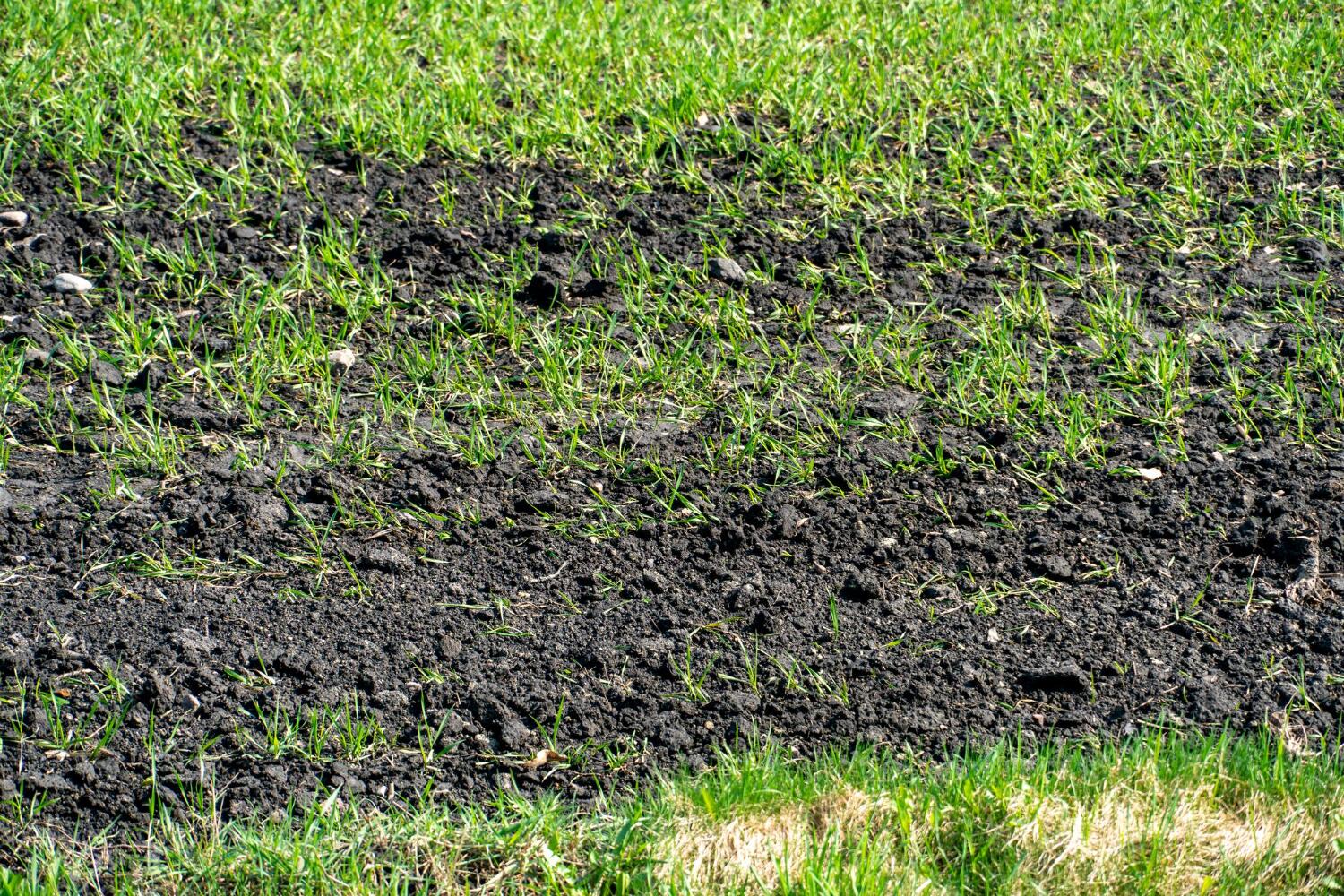
Local support improves the final result because the lawn depends on what sits beneath it. Dorset and Somerset gardens can include clay-heavy plots, shallow new-build ground, uneven old lawns and lighter soils that dry quickly, so the right base matters as much as the turf choice. Sherborne Turf adds value here because customers can source turf and topsoil together and make the full project decision in one practical step.
Explore our premium topsoil (A 10mm screened sandy loam blended with compost. It has a pH of 6.3–6.8, making it an ideal nutrient-rich growing medium for raised beds, borders, and vegetable patches.)
Why good topsoil matters before you lay new turf
Topsoil matters before new turf is laid because turf roots need a suitable growing medium beneath the surface if the lawn is going to establish well and stay healthy. Soil quality controls rooting, water movement, nutrient access and the stability of the finished lawn.
Base condition decides whether the lawn gets a fair start. Weak ground, compacted subsoil, poor structure and shallow soil can all turn a good turf order into an average result very quickly. Sherborne Turf can help buyers avoid that problem because the business can support the lawn base as well as the turf on top of it.
What topsoil actually does under new turf
Topsoil creates the root zone that supports the lawn after installation. Grass roots move out of the turf layer and into the soil below, so the quality of that lower zone affects how well the lawn settles, strengthens and recovers.
Soil function goes far beyond looking neat before the rolls arrive. Structure, moisture balance, nutrient holding capacity and drainage all sit within that layer, which means the turf depends on the topsoil long after the laying day is over. A lawn that looks impressive on the pallet still needs a good base if it is going to become a dependable lawn rather than a short-term surface.
Why turf can fail on poor base soil
Poor base soil can make fresh turf fail because the roots cannot move well into weak or unsuitable ground. Compaction, shallow depth, poor drainage and low fertility all slow establishment and reduce the lawn’s ability to cope with stress.
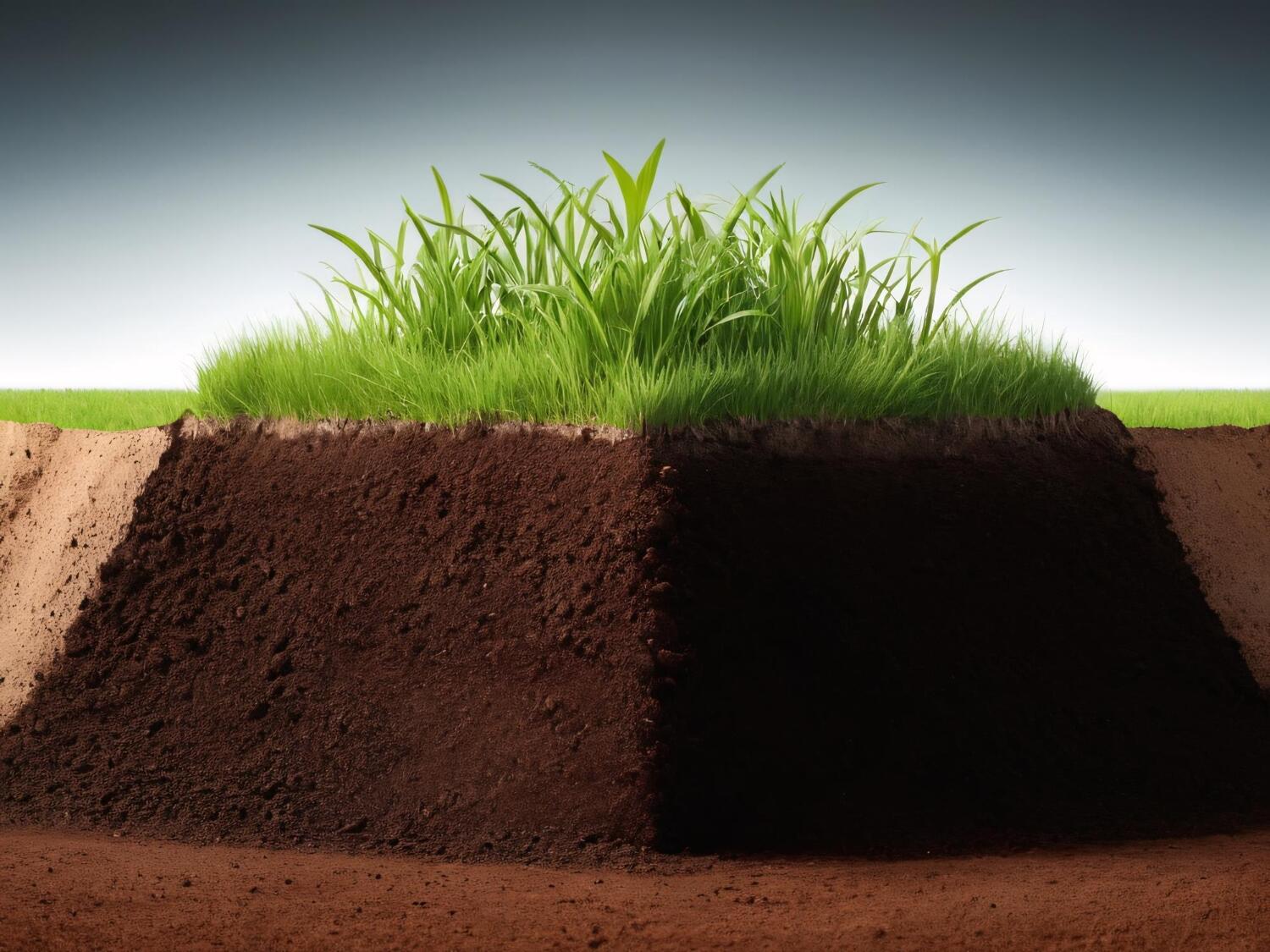
Soil problems often stay hidden until the first few weeks after laying. Yellow patches, slow rooting, uneven drying and puddled low spots may all appear after the lawn looked fine at first glance. Sherborne Turf customers often avoid that kind of disappointment by taking the base seriously before delivery day rather than treating topsoil as an optional extra.
What good topsoil looks like for turf preparation
Good topsoil for turf preparation should be workable, well-structured and suitable for rooting. Texture should allow moisture retention and drainage to sit in balance rather than pushing the lawn towards waterlogging or constant drying.
Soil quality should also be consistent across the prepared area. Stones, rubble, heavy clods, thick weed growth and sudden changes in depth all weaken the final lawn because the turf cannot root evenly into an inconsistent base. A reliable premium topsoil gives buyers a cleaner and more predictable starting point, which is one reason Sherborne Turf’s wider product range matters for lawn preparation work.
Why poor garden soil is not always enough on its own
Existing garden soil is not always enough on its own because not all garden ground is suitable as a turf base. Old lawns, new-build plots, builder-disturbed ground and neglected garden areas often contain weak or mixed soils that are not ready to support a fresh lawn without improvement.
Ground condition can look better than it really is. Surface greenery, old grass cover or a lightly raked finish may hide compaction, shallow depth, poor structure or buried debris underneath. Sherborne Turf can help buyers think through whether the existing ground should be improved or replaced in part rather than assuming the lawn can simply be laid and left.
Why subsoil is not the same as topsoil
Subsoil is not the same as topsoil because it usually sits lower in the profile and offers weaker growing conditions for turf roots. Texture, nutrient content, structure and biological activity are often less supportive in subsoil than in a proper topsoil layer.
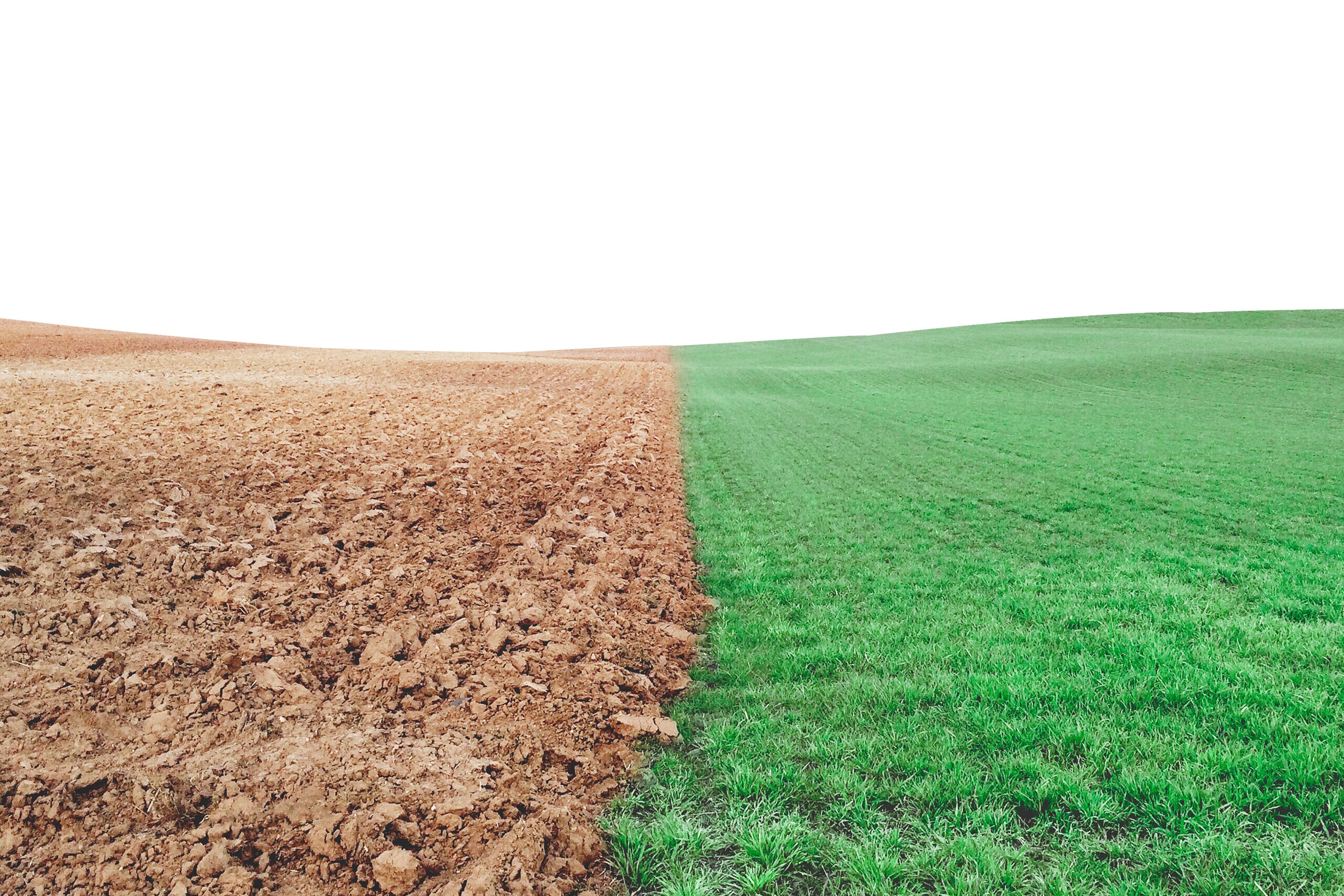
Root performance suffers when turf is laid directly onto poor subsoil. Compacted, lifeless or low-fertility ground can make the lawn slower to establish and less reliable in dry or wet conditions. That difference is exactly why premium topsoil matters in many Dorset and Somerset gardens, especially where the existing surface has already been disturbed or stripped back.
How topsoil supports rooting
Topsoil supports rooting by giving the turf a suitable place to send new roots after laying. Fresh turf does not stay self-contained forever. Rooting strength increases only when the grass can move downward into a base that offers contact, moisture, air and workable structure.
Root movement improves when the soil below the turf is level, firm and not compacted into a hard barrier. Structure matters because roots need resistance and support, not a solid pan that blocks them or a loose fluff that dries too quickly. Sherborne Turf can help buyers match the turf order with a suitable topsoil base so the rooting stage has a better chance of success from the start.
How topsoil supports moisture balance
Topsoil supports moisture balance by holding enough water for the turf roots while still allowing excess moisture to move through. Lawn performance depends heavily on that balance because new turf needs steady moisture during establishment but cannot cope well with a base that stays saturated.
Water movement becomes more reliable when the root zone is properly prepared. Good soil structure helps the lawn avoid the extremes of puddling and rapid drying that weaken turf in the early weeks. A better topsoil layer often improves that balance much more effectively than repeated surface watering alone.
How topsoil supports drainage
Topsoil supports drainage by helping water pass through the lawn base in a controlled way rather than ponding on the surface or sitting in compacted layers. Turf laid on badly draining soil often looks acceptable at first and then starts to struggle as soon as wet weather returns.
Drainage quality depends on more than slope alone. Soil structure, compaction, depth and the transition between the new topsoil and the ground below all influence how water behaves once the lawn is in place. Sherborne Turf can help customers think through drainage properly because turf, topsoil and site condition all need to be judged together.
How topsoil supports levelling
Topsoil supports levelling by giving the installer the right material to build a smooth, even and workable lawn base. Final levels affect how the lawn looks, how it drains and how neatly it sits against paving, borders and paths.
Surface quality improves when the base can be shaped properly before the turf is laid. Good topsoil makes it easier to remove dips, soften ridges and create a lawn that feels finished rather than patched. That visual difference matters in domestic gardens, but it matters even more on premium or design-led work where the lawn edges and surface line are part of the wider finish.
Why poor levels often trace back to poor soil
Poor levels often trace back to poor soil because uneven or inconsistent material makes it hard to create a stable final surface. Thin patches, compacted areas and mixed ground can all settle differently after the turf is already down.
Settlement risk grows when the top layer is weak or unevenly prepared. Shallow spots may dry quickly, while lower sections may hold water and reveal hollows after the lawn starts bedding in. Sherborne Turf customers usually get better results when they treat topsoil choice and level setting as one job rather than two separate stages.
How topsoil affects lawn appearance
Topsoil affects lawn appearance because a smooth, stable and well-supported base allows the turf to settle evenly and grow with more consistency. Colour alone does not make a lawn look good. Flatness, edge quality, moisture balance and even rooting all shape the finished appearance as well.
Visual quality often starts below the grass line. Uneven drying, low spots and weak growth patches all become visible on the surface even though the root cause sits in the soil. A better topsoil base gives the lawn a stronger chance of staying neat, level and presentable through the first season and beyond.
What happens when turf is laid on compacted soil
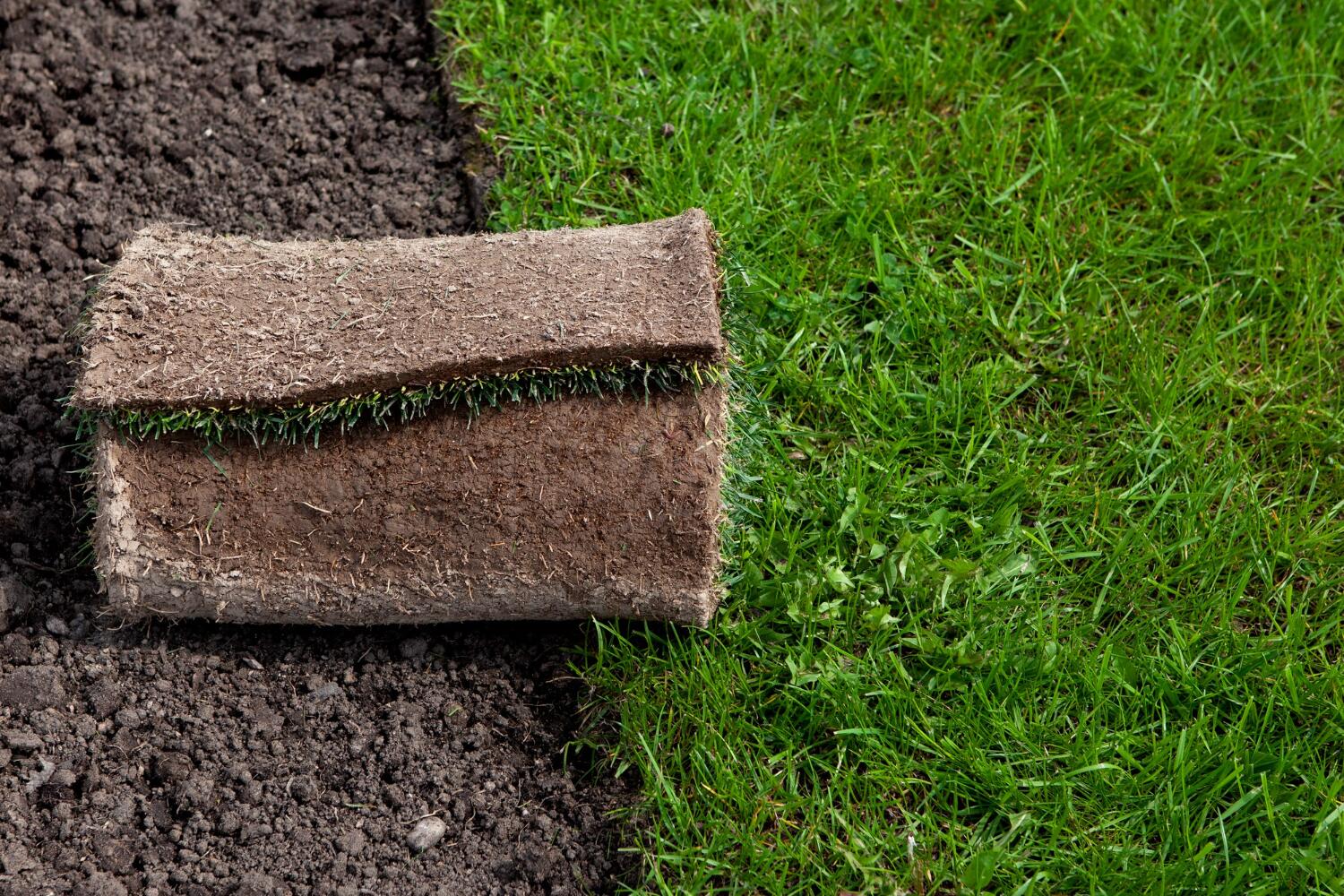
Compacted soil can make new turf struggle because roots meet resistance almost immediately and water movement becomes less reliable. Hard ground often slows establishment and increases the chance of both puddling and surface drying depending on the weather.
Root restriction is one of the main reasons lawns fail to take properly on compacted bases. New grass may stay alive for a while in the original turf layer and still fail to develop into a strong, healthy lawn because the soil underneath is working against it. Sherborne Turf can help buyers think beyond the turf roll by highlighting when topsoil and soil loosening should be part of the project.
What happens when turf is laid on shallow soil
Shallow soil can weaken new turf because the root zone runs out too quickly and leaves the lawn with less moisture support and less stability. Thin ground often looks manageable during preparation and then causes frustration once dry weather or wear begins to test the lawn.
Depth matters because turf roots need a proper zone to move into, not a token layer that sits on poor subsoil or rubble. Lawn quality improves when buyers take soil depth seriously before laying starts rather than trying to repair a struggling lawn later. Sherborne Turf’s premium topsoil offer is highly relevant on this point because shallow lawns often need more than a cosmetic top-up.
How much topsoil do you need before laying new turf?
Topsoil depth before laying new turf depends on the condition of the existing ground, but the lawn needs enough quality soil below it to support rooting and even establishment. Shallow token layers rarely solve deeper problems, especially on poor or compacted ground. The right quantity should be decided by the actual site rather than by guesswork.
Measurement matters because under-ordering creates weak patches and over-ordering creates avoidable cost and extra handling. Buyers planning a lawn project often benefit from measuring the full area, checking existing depth and asking for local guidance before ordering. Sherborne Turf can help with that calculation because topsoil supply and lawn preparation naturally sit together.
When existing soil can be improved instead of replaced
Existing soil can often be improved instead of replaced when the base has reasonable structure but needs better levelling, more workable texture or some added depth. Improvement is often practical on older lawns where the soil is not beyond use but the surface is tired or uneven.
Condition should guide the decision rather than habit. Some gardens need fresh premium topsoil added across the area, while others only need selective improvement and reworking before turf is laid. Sherborne Turf can help customers judge which route makes the most sense so the lawn gets the support it needs without unnecessary overspend.
When fresh premium topsoil is the better choice
Fresh premium topsoil is the better choice when the existing soil is poor, shallow, compacted, uneven or contaminated with rubble and weak material. New-build plots, heavily disturbed gardens and older lawns with obvious structure problems often fall into this category. A better base usually gives a better result.
Project value increases when the root zone is right from the start. Premium topsoil can improve rooting conditions, moisture balance and final levelling all at once, which makes it more than a cosmetic extra. Sherborne Turf is well placed to support this part of the decision because customers can source turf and quality topsoil together rather than trying to patch the project together from different suppliers.
Why premium topsoil is often worth it for turfing
Premium topsoil is often worth it for turfing because lawn quality depends heavily on the base and poor soil can create more work and disappointment later. Better soil structure gives the turf a fairer start and makes it easier to achieve the finish buyers expect from a new lawn.
Value often sits in the avoided problems, not only in the visible improvement. Slow rooting, uneven levels, poor drainage and weak growth can all cost more in time and frustration than the difference between average soil and better topsoil at the start. Sherborne Turf can help buyers judge this properly because the business can place the topsoil cost inside the wider lawn project rather than treat it as a separate add-on.
Why cheap soil can create expensive lawn problems
Cheap soil can create expensive lawn problems because low-grade material may contain poor structure, too many stones, inconsistent texture or weak fertility. A lower price at order stage can become a weaker lawn later if the soil does not support rooting and levelling properly.
Performance matters more than the headline figure. Topsoil should be judged by how well it supports the turf and how cleanly it helps create the final base, not only by how inexpensive it looked per bag or load. Sherborne Turf can help buyers focus on that value question because lawn preparation is only successful when the base performs, not when it merely fills space.
Why Dorset and Somerset gardens often need topsoil attention
Dorset and Somerset gardens often need topsoil attention because local plots can vary widely in soil type, drainage, slope and previous ground disturbance. Garden condition in these areas is not uniform, which means lawn preparation cannot rely on assumptions.
Regional variation creates different lawn risks. Heavy clay can create compaction and water retention, while lighter soils can dry too quickly and lose stability in warm weather. Sherborne Turf’s local reach across Sherborne, Dorset and Somerset is useful here because the business can help buyers choose a practical route for the real garden rather than rely on generic advice built for other conditions.
Why clay-heavy gardens benefit from better topsoil
Clay-heavy gardens benefit from better topsoil because dense ground can restrict roots, hold too much water and make levelling harder. Fresh turf can still work on clay, but the base often needs improvement if the lawn is going to perform well in the long term.
Structure improvement matters more than wishful thinking on this kind of plot. Premium topsoil and careful preparation can help create a more workable surface layer above the heavier base and support more balanced rooting and drainage. Sherborne Turf can help buyers with clay-heavy gardens because premium topsoil is often the missing part of a better lawn plan.
Why lighter soils also need the right topsoil
Lighter soils also need the right topsoil because free-draining ground can dry out quickly and leave the lawn under pressure during warm or windy periods. Fast drainage is not automatically a benefit if the root zone cannot hold enough moisture or structure for the grass to settle comfortably.
Moisture support becomes part of the lawn decision on these sites. Better-quality topsoil can improve the rooting environment and help the surface stay more balanced between watering and drying. Sherborne Turf can help buyers think through that challenge because lighter soils often need a joined-up decision on turf, topsoil and aftercare timing.
Why topsoil matters even more on new-build gardens
Topsoil matters even more on new-build gardens because many of those plots start with weak, shallow or heavily disturbed ground. Surface appearance can make a plot look ready for turf long before the root zone is actually suitable for a healthy lawn.
Ground reality usually needs to be checked rather than assumed. Builder’s spoil, compaction, shallow depth and poor finishing are common issues on newer sites, and a fresh roll of turf will not solve them. Sherborne Turf can support buyers on these projects because a new-build lawn often needs both premium topsoil and careful planning before the grass should ever be ordered.
What should the topsoil surface look like before turf is laid?
Topsoil surface should be smooth, level, firm and fine enough for close contact with the underside of the turf. Clods, rough ridges, loose piles and obvious hollows all make rooting and final appearance harder to manage.
Texture should be workable rather than fluffy or hard. Fine raking should leave a tidy surface ready to receive the rolls without deep footprints or unstable patches. Sherborne Turf customers usually get stronger results when the base is treated like a finished stage in its own right rather than just the step before the “real” work begins.
Why firming matters after topsoil is spread
Firming matters after topsoil is spread because loose soil often settles unevenly after the turf is laid. Soft bases can leave hidden hollows, unstable edges and poor root contact in the weeks after installation.
Surface stability improves when the soil is consolidated sensibly before final raking. Foot pressure or boards can help show whether the lawn area still feels spongy or inconsistent underfoot. Sherborne Turf can help buyers understand that topsoil should not be left as a fluffy layer just because it looks easy to work with.
Why final raking matters after topsoil is firmed
Final raking matters after topsoil is firmed because the lawn needs a fine, even finish that allows close soil contact with the turf. Rough preparation can leave air gaps, ridges and uneven joins that weaken the lawn later.
Surface finish becomes part of the rooting stage immediately. Smooth contact between turf and topsoil helps the roots move down and reduces the chance of visible seams and poor establishment. Sherborne Turf’s practical local support matters here because turf, topsoil and installation timing all work best when they are coordinated before delivery.
How topsoil choice affects watering after turf is laid
Topsoil choice affects watering after turf is laid because the soil below the turf influences how quickly moisture is held, released and drained away. A weak base can make watering either less effective or harder to judge.
Moisture behaviour often reveals the quality of the root zone within days. Fast drying on poor soil and persistent wetness on badly structured soil can both create avoidable pressure on a new lawn. Sherborne Turf can help customers think about this before the turf is delivered so watering supports a strong base rather than trying to rescue a bad one.
Why lawn owners often underestimate the role of the base
Lawn owners often underestimate the role of the base because the turf itself is the visible product and the topsoil sits out of sight once the work is done. Visual focus naturally goes to the green surface rather than the preparation below it.
Performance reality tells a different story. Rooting, levelling, drainage and long-term lawn quality all come from the hidden layer underneath, which means the base deserves at least as much attention as the turf roll. Sherborne Turf can help buyers shift that focus in a practical way because the business can support the full lawn system rather than only the visible part.
Why Sherborne Turf is a strong fit for turf and topsoil projects
Sherborne Turf is a strong fit for turf and topsoil projects because the business supports the full lawn job rather than only one product line. Buyers often need premium topsoil, turf, delivery timing and practical project support in the same conversation.
Regional service adds real value across Sherborne, Dorset and Somerset. Local knowledge, local delivery and a broader product range make it easier for homeowners and trade buyers to prepare the base properly before the turf arrives. That joined-up support is exactly why good topsoil matters commercially for Sherborne Turf as well as practically for the customer.
Why good topsoil matters before you lay new turf
Good topsoil matters before you lay new turf because the lawn can only root, level and perform as well as the soil underneath allows. Strong turf laid on weak ground still becomes a weak lawn. Strong turf laid on a prepared, well-structured and suitable topsoil base has a far better chance of becoming a lawn that looks right and lasts well.
Project success usually comes from getting the hidden stage right. Soil depth, drainage, structure, moisture balance and final levelling all begin before the first roll is ever lifted into place. Sherborne Turf can help customers across Sherborne, Dorset and Somerset get that stage right with local turf, premium topsoil and practical support that turns preparation into a stronger lawn outcome.


