
Aggregates are used in landscaping to build stable bases, improve drainage, create paths, support patios, finish gravel areas and prepare outdoor spaces for long-term use. Homeowners often use aggregates for garden paths, driveway edges, lawn borders, decorative gravel areas and drainage strips. Landscapers and contractors use them for groundworks, sub-bases, bulk preparation, surface finishes and repeat project supply. The right aggregate should be chosen for the job it needs to do, not just for colour, price or the easiest delivery option.
Key Takeaways
- ✓Aggregates are used for paths, drainage, groundworks, sub-bases, decorative finishes and general landscaping.
- ✓Decorative aggregates improve the look of paths, borders, seating areas and garden features.
- ✓Functional aggregates support structure, drainage, levelling and load-bearing layers.
- ✓Homeowners often use aggregates for gravel paths, lawn edges, patio bases and low-maintenance areas.
- ✓Trade buyers often need aggregates for site preparation, drainage, sub-bases and repeat project supply.
- ✓Sharp sand, gravel, decorative stone and sub-base materials all have different roles.
- ✓Aggregate choice should start with use, depth, access and surface type.
- ✓Quantity, access, delivery method and timing should be checked before ordering.
- ✓Sherborne Turf helps local homeowners, landscapers and contractors source aggregates and related materials more easily.
What are aggregates in landscaping?
Aggregates are loose mineral materials used to build, support, drain or finish outdoor spaces. Landscaping aggregates can include gravel, decorative stone, chippings, sharp sand and sub-base materials.
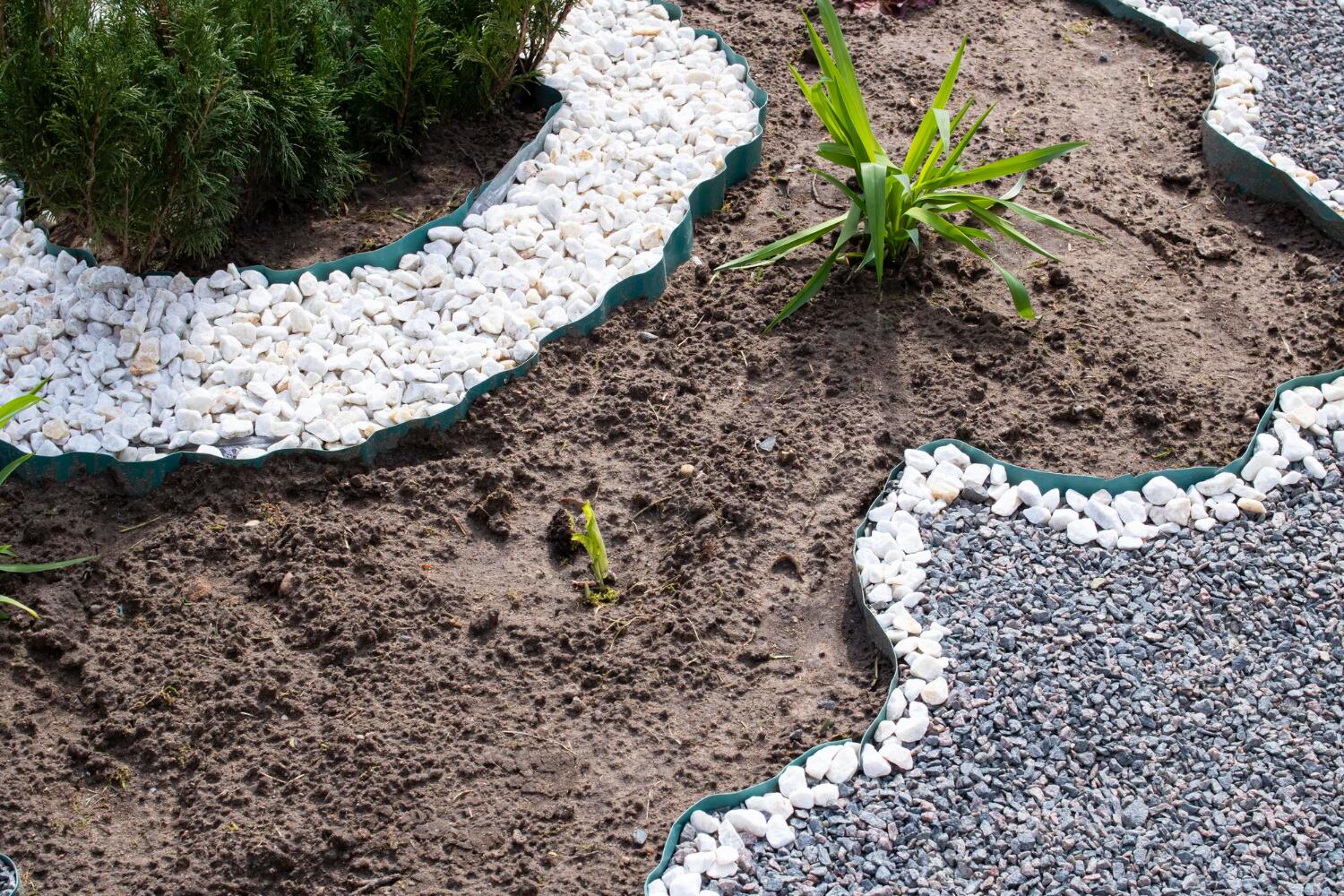
Material choice should start with the purpose of the surface. Some aggregates are chosen for appearance, while others are chosen for strength, drainage, levelling or base preparation. A decorative border and a patio foundation need very different materials, even if both products are described as aggregates.
Decorative aggregates
Used where the material will be visible. Gravel, stone and chippings improve the look of paths, borders, seating areas, front gardens and landscape features.
Colour, size and texture all affect the finished result. Pale gravel can brighten shaded areas, darker stone can frame planting, and mixed chippings can soften the look of a hard surface.
Functional aggregates
Used where performance matters more than appearance. Sub-base materials, sharp sand and drainage stone support patios, paths, drive areas, groundworks and water movement.
Hidden materials often decide how long a finished surface performs well. The base below decides movement, settlement, drainage and long-term stability.
What are aggregates used for in domestic gardens?
Aggregates are used in domestic gardens to make outdoor spaces more practical, cleaner and easier to manage. Homeowners commonly use gravel, chippings, stone, sharp sand and sub-base materials for paths, patios, borders, lawn edges, drainage details and decorative surfaces.
Garden projects often need a mix of practical and visual decisions. A front garden may need decorative gravel for appearance, while a patio area may need a stronger hidden base. A lawn edge may need stone for definition, while a wet patch may need drainage material.
Garden paths and walkways
Aggregates work well for garden paths because they can create a practical and attractive walking surface. Gravel and chippings are often used for informal paths, side routes, vegetable garden access and decorative walkways.
Path performance depends on the build-up. A light-use path may only need a modest surface finish, while a regular access route needs better edging, depth and base preparation. The material should suit how often the path will be used.
Somerset Self Binding Path Gravel
A locally sourced gravel that binds together as it compacts, giving you a firm, practical, attractive walking surface. Ideal for informal garden paths, side routes and vegetable garden access.
Patios and seating areas
Aggregates are used under patios and seating areas to support the finished surface. Patio preparation usually needs suitable base and bedding materials before slabs, paving or another visible finish is laid.
A patio can look clean on the surface and still fail if the base is weak. Settlement, puddling and movement often trace back to poor preparation below the visible layer. Buyers should choose aggregate materials based on the patio type, expected use and existing ground.
Lawn edges and garden borders
Aggregates are useful around lawns because they create clean edges, drainage strips and tidy transitions between grass and hard surfaces. Gravel or stone can help reduce muddy areas where lawns meet paths, patios or borders.
Beds and borders can also benefit from decorative aggregates. Stone can give planting areas a sharper and more structured finish than bark, especially in modern gardens or low-maintenance designs.
How do aggregates help with drainage and groundworks?
Aggregates help with drainage and groundworks by creating stable layers and allowing water to move through outdoor spaces more effectively. These uses are less visible than decorative gravel, but they often have a bigger impact on how well the project lasts.
Drainage, base preparation and load support should be planned before the final finish is chosen. A decorative surface will not solve poor groundwork if the wrong material sits underneath it.
Drainage areas and gravel strips
Aggregates are used in drainage because stone and gravel can help water move through or away from wet areas. Drainage strips, soakaway details and gravel channels often need material that does not compact like fine soil.
Drainage work still needs a proper route for water. Spreading stone over a wet patch may improve the surface, but it will not solve every drainage problem. The site, slope and surrounding ground should be understood before the material is chosen.
Groundworks and sub-bases
Aggregates are used in groundworks to prepare the base for paths, patios, drive areas, garden buildings and other outdoor structures. Sub-base materials help create stability before the visible surface goes down.
Base preparation is one of the most important parts of hard landscaping. Weak, uneven or poorly compacted ground can cause movement, dips and puddles later. The hidden aggregate layer should be treated as part of the finished quality, not as a low-value extra.
Driveways and high-pressure areas
Aggregates are used in driveways for sub-base layers, drainage support and sometimes the visible gravel finish. Driveway areas need more strength than a light garden path because vehicles create repeated pressure.
Driveway planning should focus on strength before appearance. Decorative gravel may form the final surface, but the base below needs to suit the weight and frequency of use. A strong surface starts with the right layers underneath.
The base below decides whether the project lasts
A patio, path or driveway can look perfect on day one and still fail within months if the sub-base is weak, shallow or the wrong material. Settlement, puddling, cracked slabs and lifting edges almost always trace back to the layer you can't see. Choose your sub-base for the job, not the budget — it's the cheapest part of the project to get right and the most expensive to redo.
Which aggregates do different buyers usually need?
Aggregate choice changes depending on whether the buyer is a homeowner, landscaper or contractor. The material may look similar on delivery, but the reason for buying it can be very different.
Domestic buyers often need smaller quantities for visible garden improvements. Trade buyers often need reliable supply, correct timing and materials that support several stages of the same job.
Homeowners
Smaller volumes, visible finish
Common needs: Paths, borders, patios, drainage strips and decorative gravel areas.
Main concern: Finish, access and the right quantity.
Landscapers
Reliable supply, project timing
Common needs: Sub-bases, drainage, paths, site preparation and surface finishes.
Main concern: Timing and supply reliability.
Contractors
Bulk volume, site coordination
Common needs: Groundworks, bulk preparation, drainage layers and construction support.
Main concern: Volume, access and delivery planning.
Homeowners
Homeowners usually need aggregates for paths, gravel areas, patio preparation, border finishes, drainage details and lawn edges. Domestic projects may use smaller volumes, but the material still needs to be right for the surface.
Home garden buying should start with use and access. A gravel seating area, a narrow side path and a drainage strip all need different materials and different depths. Delivery method also matters when access is tight or storage space is limited.
Landscapers
Landscapers usually need aggregates for sub-bases, drainage, paths, site preparation and surface finishes. Trade buyers often need materials in reliable quantities and with delivery options that support active project schedules.
Timing is important on landscape jobs. Materials may need to arrive before paving, planting, turfing or final finishing work. Local supply helps when several products need to arrive in the right order.
Contractors
Contractors often need aggregates for groundwork, bulk preparation, drainage support and outdoor construction layers. These materials may be hidden once the job is complete, but they often decide whether the finished surface performs properly.
Volume and access planning matter more on larger jobs. Bulk orders need suitable unloading areas, clear routes and delivery timing that fits the site schedule. Bulk bags can be useful when controlled quantities are needed without loose material spreading across the working area.
Common aggregate types and what they are used for
Different aggregates serve different purposes in landscaping. Buyers should avoid choosing one material for every job, even when the products look similar at first glance.
A good landscaping project uses each material where it performs best. Gravel, sharp sand, sub-base material and decorative stone all have separate roles.
| Aggregate type | Common uses | Main purpose |
|---|---|---|
| Gravel | Paths, borders, drainage strips, driveways and garden features | Surface finish, drainage and access |
| Decorative stone | Borders, front gardens, seating areas and planting features | Visual finish and contrast |
| Sharp sand | Bedding, levelling and preparation work | Workable support layer |
| Sub-base material | Patios, paths, driveways and hard landscaping | Strength and stability |
| Chippings | Paths, decorative areas and low-maintenance surfaces | Surface finish and texture |
Gravel
Gravel is used for paths, decorative surfaces, borders, driveways, drainage strips and garden features. It is popular because it can be practical, attractive and flexible.
Gravel choice should follow use before colour. A decorative gravel for a quiet border may not suit a driveway. A practical drainage gravel may not give the visual finish a homeowner wants for a front garden.
Sharp sand
Sharp sand is used for bedding, levelling and preparation work where a firm and workable layer is needed. It can support paving, surface preparation and some groundwork tasks depending on the system being built.
Sand should not be treated as a universal base material. Patio bedding and levelling work may call for sharp sand, but heavier load areas often need a proper sub-base first.
Sub-base material
Sub-base material is used to create a firm foundation below paths, patios, driveways and other hard landscaping surfaces. It helps spread load, support the surface and reduce later movement.
Hidden structure matters more than many buyers realise. A patio or path may look good on day one but move later if the sub-base is weak or poorly prepared.
Decorative stone and chippings
Decorative stone and chippings are used to finish borders, frame planting, improve gravel areas and create attractive surfaces. They can add colour, texture and contrast to outdoor spaces.
Design purpose should guide the choice. Stone should work with the house, paving, planting and wider garden style. A poor colour or size choice can make a finished area feel disconnected from the rest of the garden.
Three popular aggregates from our range
Type 1 MOT 40mm
The go-to sub-base for paths, patios and driveways. Compacts well for a stable, load-bearing foundation.
20mm Cotswold Gravel
A warm, honey-coloured gravel that suits paths, driveways and front gardens. Classic finish for traditional homes.
Sharp Washed Sand
For bedding, levelling and paving preparation. The firm, workable layer that sits between sub-base and your finished surface.
How do aggregates work with other landscaping materials?
Aggregates rarely work alone in a full garden project. They often sit alongside turf, topsoil, bark, mulch and compost, with each material doing a different job.
A good outdoor space depends on using each product in the right place. Topsoil supports roots, aggregates support surfaces and drainage, bark and mulch finish planted areas, and compost improves soil condition.
Aggregates and turf
Aggregates work with turf by creating paths, edges, drainage strips and hard surfaces around lawn areas. Turf creates the green living surface, while aggregates help organise movement and structure.
Lawn projects often need several materials at once. Topsoil may support the turf, aggregates may support nearby paths, and bark may finish planted borders. Planning these materials together helps the garden feel more complete.
Aggregates and topsoil
Aggregates and topsoil serve different parts of the landscape. Topsoil supports turf and planting roots, while aggregates support drainage, surfaces, bases and hard landscaping layers.
The two should not be confused. Topsoil should not be used as a base for hard surfaces, and aggregates should not be treated as a growing medium. Each material has a clear role.
Aggregates, bark and mulch
Aggregates work with bark and mulch where different areas need different finishes. Bark and mulch suit softer planted beds, while aggregates suit paths, edges, drainage details and harder-wearing surfaces.
Material contrast can improve the garden. Bark can soften shrub beds, while stone can define edges or create usable routes. The best choice depends on planting style, maintenance goals and the look of the wider space.
Aggregates and compost
Aggregates work with compost by supporting structure and drainage near areas where compost improves soil condition. Compost feeds and improves planting zones, while aggregates support paths, edges, bases and surface finishes.
Project order matters. Compost may be worked into beds before planting, while aggregates may be used nearby for a path, gravel edge or drainage feature. The materials should support each other, not replace each other.
Combine your project in one local order
Most landscaping jobs need more than aggregates. Save delivery trips and keep your timing tight.
How do aggregates support low-maintenance garden design?
Aggregates support low-maintenance garden design by reducing exposed soil, creating cleaner surfaces and limiting areas that need mowing or regular maintenance. Gravel, chippings and decorative stone can make a garden easier to manage when they are used properly.
Low-maintenance design still needs good preparation. Stone areas need edging, weed control, suitable depth and the right base if they are going to stay tidy. Aggregates can reduce routine work, but they cannot fix poor layout or weak ground preparation.
Weed control
Aggregates can help with weed control by covering soil and reducing open ground where weed seeds can settle. Gravel areas often stay tidier than bare soil when the site is prepared correctly.
Weed control should still be realistic. Existing weeds should be removed first, and a suitable base or membrane may be needed depending on the project. Aggregates reduce maintenance, but they do not remove every future weed.
Visual finish
Aggregates affect the final look of a garden by adding texture, colour, contrast and structure. Stone and gravel can make outdoor areas feel more finished, especially around planting, paths, seating areas and lawn edges.
Visual impact depends on consistency. A well-chosen aggregate can connect different parts of the garden, while a poor choice can clash with paving, planting or house materials.
Aggregates for difficult garden conditions
Difficult gardens often need aggregates for more than surface finish. New-build plots, slopes, wet areas and commercial spaces usually need practical material choices before the visible result is considered.
These projects should be planned around function first. Decorative choices can come later, once the base, drainage and access needs are clear.
New-build gardens
Aggregates are used in new-build gardens for paths, drainage areas, patio bases, gravel zones and practical outdoor surfaces. New-build plots often need more base work than buyers expect because the ground may be compacted, uneven or made up of mixed material.
Topsoil may be needed for lawns and beds, while aggregates may be needed for paths, drainage and hard landscaping. Sherborne Turf can help local buyers source several materials together, which is useful when a new-build garden needs a full setup.
Sloping gardens
Aggregates can be used on sloping gardens for drainage details, path construction, terracing support and surface definition. Slopes need careful planning because water movement and material stability are more important than on flat ground.
Loose stone can move if it is used in the wrong place or on the wrong gradient. Edging, base preparation and aggregate size all matter on sloping sites.
Commercial landscapes
Aggregates are used in commercial landscapes for paths, planted area finishes, entrance zones, drainage, service routes and base preparation. Commercial projects often need materials that look tidy while standing up to regular use.
Public-facing spaces need dependable materials. Building entrances, car park edges, office planting, estate routes and shared outdoor areas all benefit from the right balance of appearance and performance.
Running repeat landscaping projects?
Open a trade account for priority delivery scheduling, account pricing on bulk orders and a single point of contact for multi-product jobs across Dorset and Somerset.
Ordering aggregates: quantity, access and delivery
Ordering aggregates properly means checking the material, quantity, depth, access and delivery method before the order is placed. Many aggregate problems come from poor planning rather than from the material itself.
Heavy materials need practical thinking. A small domestic order, a bulk trade order and a restricted-access delivery all need different planning.
How to order aggregates — 4 steps
Measure the area
Length × width gives the square metre area. Add a bit for curves, corners and awkward edges.
Decide on depth
Depth depends on use. A decorative border, a path and a driveway all need different volumes.
Loose or bulk bag?
Bulk bags suit smaller, controlled jobs. Loose loads suit larger projects with good access.
Check access & timing
Narrow drives, shared access and material order in the build sequence all affect delivery day.
Measuring for aggregates
Customers should measure for aggregates by calculating the area and intended depth before ordering. Length, width and depth all affect the volume needed, and small errors can create large differences on bigger projects.
Shape and waste allowance should also be considered. Curved paths, irregular borders and awkward corners may need extra material to achieve a clean finish.
Loose loads or bulk bags
Homeowners should choose loose loads or bulk bags based on access, quantity, storage space and how the material will be moved around the garden. Bulk bags can be easier to manage on smaller projects, while loose loads may suit larger jobs with suitable access.
Delivery method affects the whole project. Narrow drives, limited parking and shared access can make unloading more complicated than expected.
Trade volume orders
Trade buyers should order aggregates in volume when the project size, access and schedule make bulk supply practical. Volume ordering can reduce repeat trips, support larger jobs and keep materials available when the site is ready.
Site planning should come first. Access, unloading space, storage, weather and the order of work all affect whether bulk supply is the best option.
Common mistakes when choosing aggregates
Aggregate mistakes usually happen when buyers choose by appearance, guess the quantity or ignore the surface the material needs to support. A product that looks right may still fail if it is the wrong size, type or depth for the project.
The best way to avoid mistakes is to start with use. A decorative gravel for a border, a sub-base for a patio and drainage stone for a wet area all need different thinking.
- !Under-ordering. Patchy finishes, delays and second deliveries. Measure carefully and add a small allowance for cuts and curves.
- !Choosing on looks. A decorative gravel that looks right in the photo can be wrong for the depth, surface load or drainage need.
- !Wrong site sequence. Ordering decorative stone before sub-base, or sub-base after the visible layer is laid. Plan the build order before placing the order.
What should buyers ask before ordering aggregates?
Buyers should ask what the aggregate will be used for, how much is needed, what depth is required, how delivery will work and whether the site has suitable access. Good questions prevent wrong-product choices and avoidable delays.
Project planning should happen before the order is placed. The buyer should know whether the material needs to be decorative, load-bearing, drainage-friendly or part of a wider landscaping build.
Pre-Order Checklist
- ☐What job does the aggregate need to do?
- ☐Will the material be visible or hidden?
- ☐What depth is needed?
- ☐How much area needs covering?
- ☐Is the site easy to access?
- ☐Is a loose load or bulk bag more practical?
- ☐Does the project also need topsoil, bark, compost or turf?
- ☐When should the material arrive in the project sequence?
Choose aggregates based on the job, not just the finish
Aggregates are used in domestic and trade landscaping for structure, drainage, paths, sub-bases, decorative finishes and practical outdoor surfaces. The right material depends on whether the job needs strength, water movement, visual appeal or a combination of all three.
Sherborne Turf helps homeowners, landscapers and contractors across Sherborne, Dorset and Somerset source aggregates alongside topsoil, bark, compost, turf and other landscape materials. Share the project type, area, access details and delivery needs before ordering so the right aggregate can be matched to the job.
Related reading from our blog
Garden Edging Ideas
Aggregates pair best with proper edging. See practical ways to define lawns, paths and gravel areas so your finish stays sharp for years.
Read garden edging ideas →Compost vs Topsoil
Aggregates handle the structural side. Topsoil and compost handle the growing side. Learn what each does and when your project needs both.
Compost vs topsoil explained →Ready to order aggregates for your project?
Browse the full range, or speak to our team for help matching the right material, quantity and delivery to your job.
Or email enquiries@sherborneturf.co.uk
FAQ
What are aggregates used for in landscaping?
Aggregates are used for paths, drainage, groundworks, sub-bases, decorative finishes, gravel areas, driveway preparation, patio bases and wider outdoor surfaces.
What is the difference between decorative and functional aggregates?
Decorative aggregates are chosen mainly for appearance, while functional aggregates are chosen for structure, drainage, support or base preparation.
What aggregate is best for garden paths?
The best aggregate for a garden path depends on the path's use, depth, edging and desired finish. Gravel and chippings are common choices for informal garden routes.
Do aggregates help with drainage?
Aggregates can help drainage when used correctly. Water still needs a clear route, and serious drainage problems may need deeper preparation.
Should I buy aggregates in bulk bags or loose loads?
Bulk bags often suit smaller or controlled domestic projects. Loose loads can suit larger jobs with suitable access and space.
Can I order aggregates with topsoil or turf?
Aggregates can often be ordered alongside topsoil, turf, bark, compost or other landscaping materials. Combining materials can make project planning easier.


