
Fresh-cut turf establishes well when it is fresh, laid quickly, placed onto prepared soil and watered carefully during the first few weeks. A new lawn may look complete as soon as the rolls are down, but establishment happens below the surface. Root movement, soil contact, topsoil quality, moisture control, delivery timing and early aftercare all decide whether the turf settles into the garden properly.
Quick Overview
- ✓Fresh turf gives the garden a ready-grown grass surface.
- ✓Turf establishes when roots move from the roll into the prepared soil below.
- ✓Fresh-cut rolls should be laid as soon as possible after delivery.
- ✓Soil contact matters because roots cannot establish through air gaps or loose pockets.
- ✓Good topsoil gives fresh turf a stronger root zone.
- ✓Watering needs to reach the turf and the soil beneath it.
- ✓New turf should be protected from normal use while it starts rooting.
- ✓Establishment problems often come from poor preparation, late laying or weak aftercare.
- ✓Sherborne Turf can help customers plan turf, topsoil and delivery timing together.
Understanding fresh-cut turf establishment
Fresh-cut turf establishment is the process where laid turf starts rooting into the soil below. The lawn moves from separate rolls on the surface to a living grass area connected to the garden.
Establishment is not only about keeping the turf green. The important work happens underneath, where roots need moisture, contact, air and a suitable growing layer. Colour is useful, but grip, moisture response and steady growth tell a fuller story.
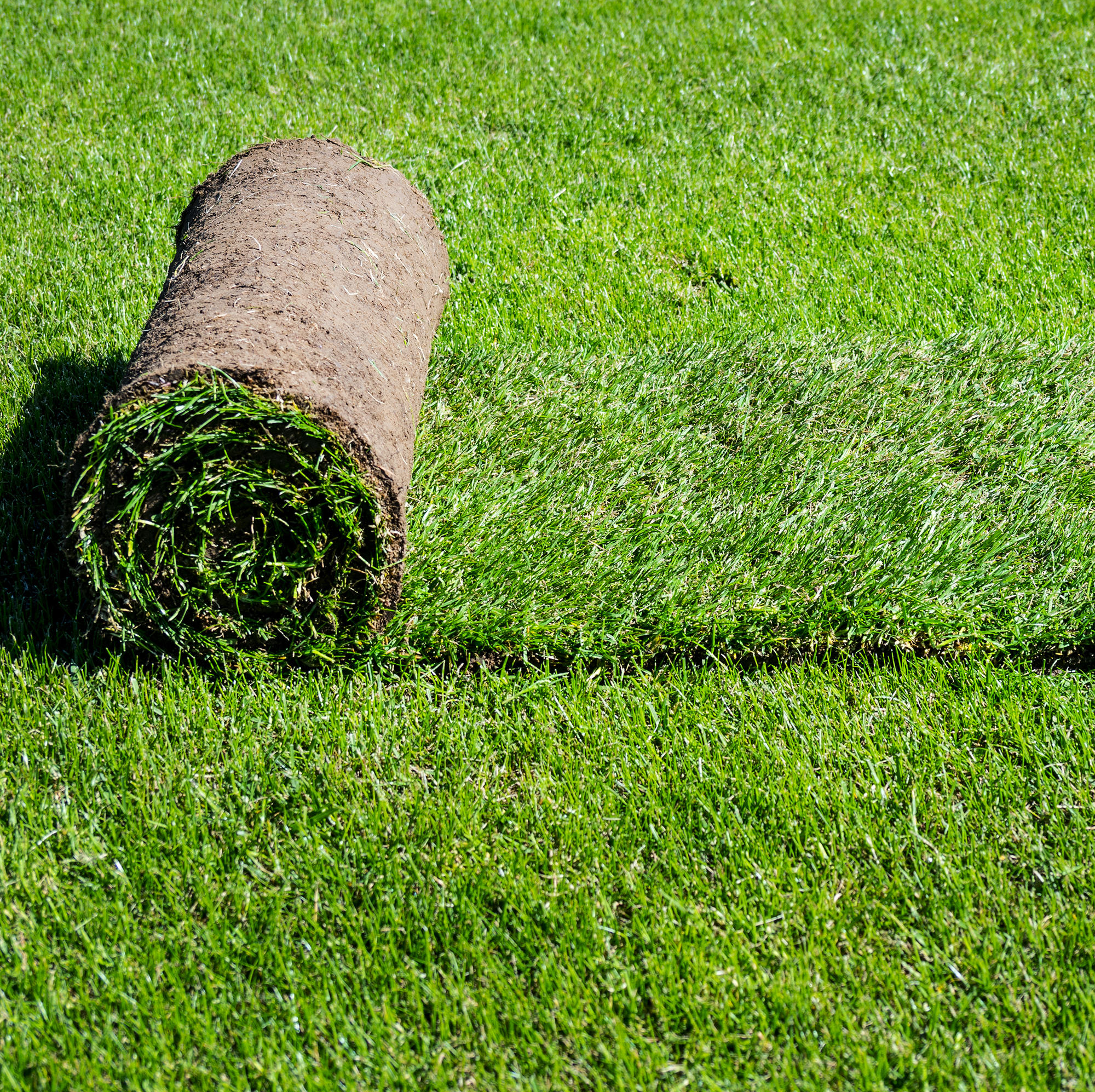
Fresh-cut turf starts ahead of seed because the grass surface is already grown before it reaches the garden. Seed can work well in some situations, but it has to germinate, thicken and survive early weather before it becomes a full lawn. Turf starts with a mature grass layer and an existing root mat, so the establishment stage is more about connection than creation.
Freshness protects the living condition of the roll. Turf that spends less time cut, rolled and stacked usually reaches the prepared soil with less stress. Older or delayed turf can still root, but the margin for error becomes smaller because rolls that sit too long can heat up, dry at the edges or weaken before laying begins.
Freshness, delivery and timing shape early success
Freshness has a direct effect on how well new turf handles the first few days after laying. Turf is a living product, so timing matters more than it does with hard landscaping materials.
The best results usually come from a clear sequence. Prepare the ground first, receive the turf, lay it promptly, water it thoroughly and keep the surface protected while roots move down.
Why should turf be laid quickly after delivery?
Turf should be laid quickly after delivery because the rolls are already under pressure. Fresh-cut rolls should move from pallet to prepared ground as soon as the site is ready.
Delay creates avoidable stress. Ground, tools, labour, access and water should all be sorted before the turf arrives. The laying day should not begin with clearing, levelling or searching for a hose.
Delivery timing should match site readiness
Delivery timing should match site readiness so the rolls do not wait while the garden is still being prepared. Fresh turf should arrive when the ground is level, firm, clear and ready for laying.
Site readiness includes more than soil preparation. Access routes, unloading space, boards, tools, labour and water all need to be organised before the delivery slot. Local supply can help here because shorter routes often give customers a clearer installation window and fewer avoidable delays.
Stay off the lawn until roots grip
New turf does not become a usable lawn the moment it is laid. Children playing, garden furniture being moved, dogs running and even regular foot traffic can disturb the seams and slow rooting in the first weeks. Light access for watering may be unavoidable — use boards to spread weight if you must walk on it. The rule is simple: if the rolls still feel loose under foot, they need more time.
Soil contact and ground preparation decide rooting
Soil contact is one of the most important parts of turf establishment. Fresh turf needs to touch the prepared ground closely so roots can move down into the soil below.
A smooth, firm and suitable turf bed makes the laying stage easier. It also reduces dry seams, hollow areas and weak rooting. Air gaps, clods and loose pockets interrupt the connection between the turf and the ground, which can leave parts of the lawn slow to establish.
A good turf bed must be level, firm and weed-free
A good turf bed should be level, firm, weed-free and made from soil that can support root growth. The ground should be prepared before the turf arrives, not corrected while the rolls wait nearby.
A suitable surface needs balance. Soil should not be loose and fluffy, but it should not be compacted into a hard pan either. The aim is a stable, fine finish that gives roots direct contact and room to move.
Topsoil quality affects establishment from day one
Topsoil quality affects establishment because fresh turf needs a proper growing layer beneath it. Roots need moisture, air, structure and depth, not just a green roll on top of poor ground.
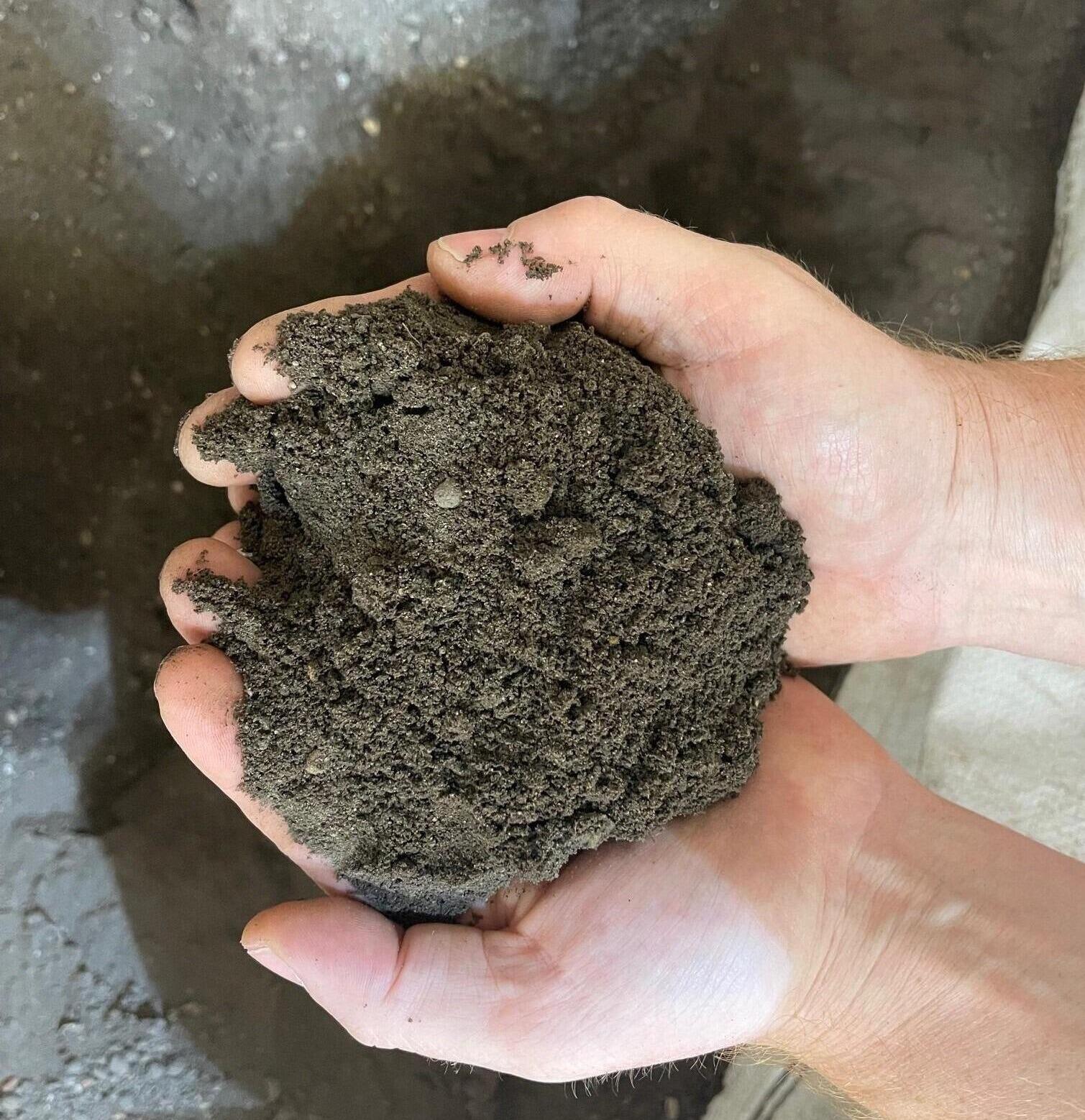
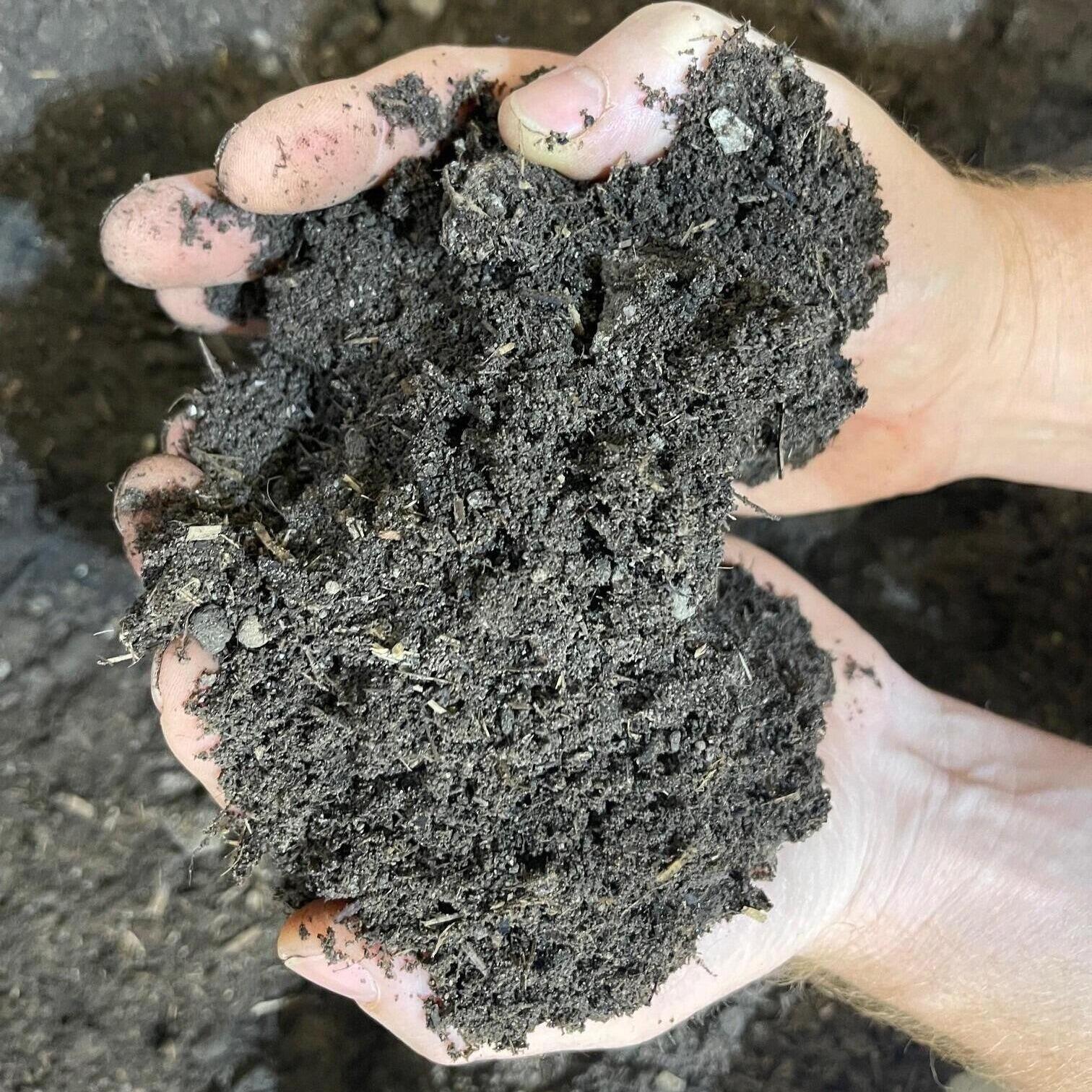
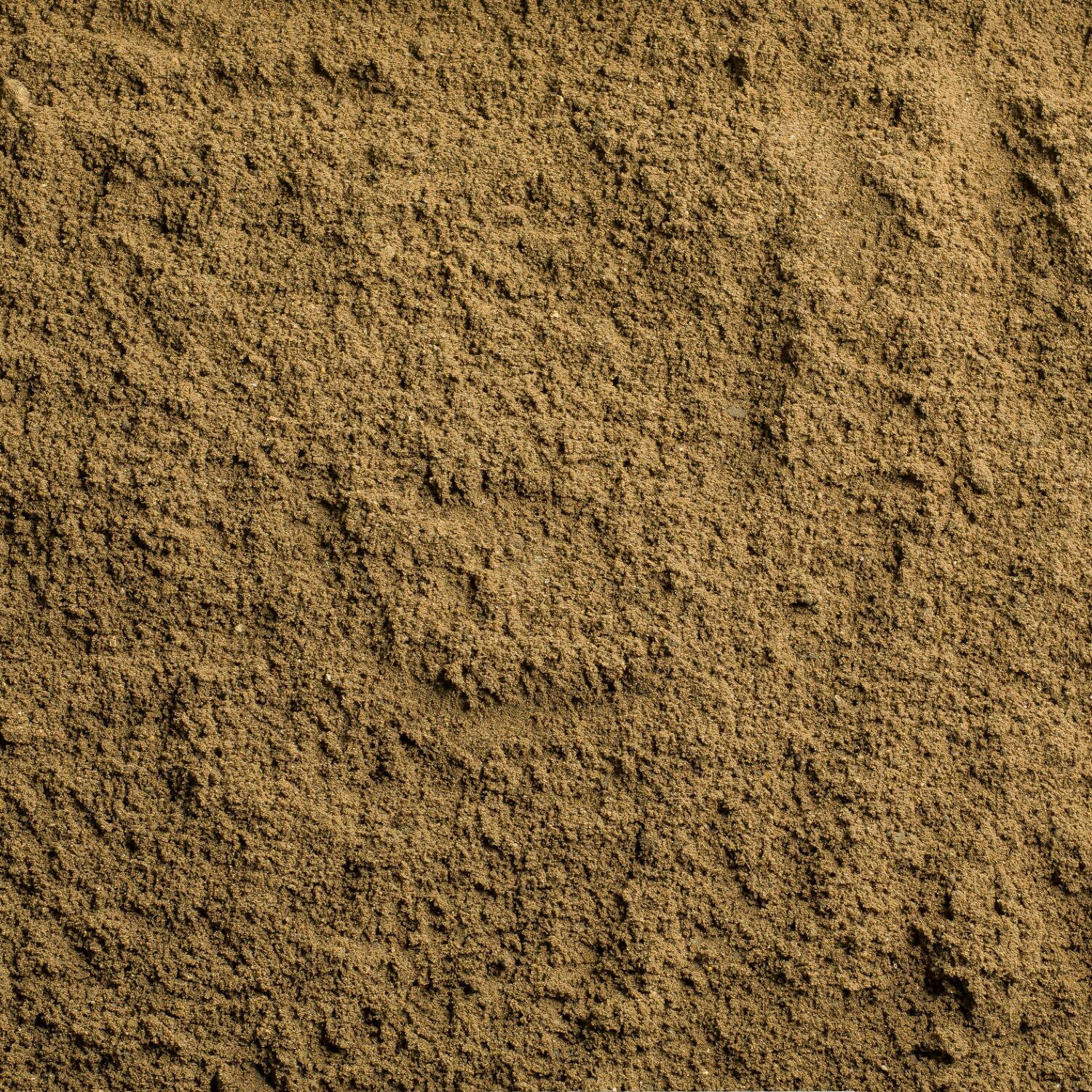
Poor soil can slow rooting even when the turf looks healthy. Compacted subsoil, shallow builder's spoil, dry patches and uneven levels can all weaken the final lawn. Screened or premium topsoil can help where the existing ground is poor, especially when turf and topsoil are planned together before delivery.
Three soil options for fresh-turf projects
Levelling, firming and final raking prepare the surface
Levelling, firming and final raking prepare the surface that the turf will sit on. These steps are not small finishing touches; they shape how the lawn looks, drains and roots.
Level ground creates a cleaner finished lawn because turf follows the shape beneath it. Rolls will not hide dips, humps or poor edges for long. Low spots can collect water, high spots can dry quickly, and poor edges can make the finished lawn look untidy around paths, patios and borders.
Firm soil helps prevent settlement after the turf has been laid and watered. Loose soil can sink unevenly and create hollows beneath the new lawn. Firming should still be sensible because over-compacted ground can restrict roots, while ground that is too soft can create weak contact.
Final raking creates the fine surface that fresh turf needs for close contact. Ridges, clods and loose lumps can stop the turf sitting evenly against the soil. The final rake should happen after levelling and firming, so once the turf arrives the priority is laying and watering, not fixing preventable ground problems.
Watering and moisture control protect new turf
Watering decides much of the early success of new turf. Freshly laid turf needs moisture in the grass layer and in the prepared soil below so roots can move down.
The aim is steady moisture, not guesswork. Too little water can dry the turf before it roots. Too much water can leave the ground soft, unstable or saturated.
How much watering does fresh turf need?
Fresh turf needs enough water to keep the turf and the soil beneath consistently moist during establishment. The exact amount depends on weather, soil type, shade, wind and how quickly the ground dries.
Warm, dry or windy weather increases the pressure. Garden owners should check the lawn regularly rather than relying only on a fixed routine. A simple check is to lift a corner gently and see whether moisture has reached the underside and the soil below.
Under-watering and over-watering create different problems
Under-watered turf can dry at the edges, lose colour and fail to root evenly. Joins, corners and exposed edges often show stress first because they lose moisture faster. Dryness can also cause turf to shrink slightly, which can lead to open seams and patchy colour.
Over-watering can leave turf sitting in saturated conditions that slow healthy rooting and make the surface soft. Drainage and topsoil quality affect how serious this becomes. A well-prepared base manages water more evenly than compacted or poorly structured ground, so watering should be thorough and then adjusted based on how the lawn responds.
New turf needs time before normal use
New turf does not become a normal lawn the moment it is laid. The first few weeks are part of the establishment process, and the surface needs protection while roots form.
Rooting time depends on freshness, soil contact, watering, weather and preparation. The turf may start gripping during the early establishment stage, but exact timing changes from garden to garden. The lawn needs time to connect with the ground before it can cope with everyday traffic.
Early grip shows the lawn is starting to establish. The rolls feel less loose under light checks and begin to behave more like one connected surface. Healthy growth, closed seams and even moisture response are also useful signs, but the turf should not be pulled hard because early roots are still forming.
Foot traffic and mowing should wait until the lawn is stable. Light access for watering may be needed, and boards can help spread weight during installation or essential care. The first mow should be gentle, with sharp blades, a higher setting and only a small amount removed.
Common establishment problems and what causes them
Fresh turf establishment problems usually come from preparation, watering, timing or early use. The turf itself may look good on delivery, but the lawn can still struggle when one part of the process is missed.
Most issues are easier to prevent than repair. A prepared base, quick laying, good watering and patient early care reduce the risk of weak rooting and patchy results.
| Problem | Common Cause | What Helps |
|---|---|---|
| Turf not rooting | Poor soil contact, compaction or dry base | Prepare, firm and rake the soil properly before laying |
| Dry edges | Under-watering, wind or exposed seams | Check joins and edges during early watering |
| Yellow patches | Dryness, heat stress, poor contact or delayed laying | Improve watering, contact and timing |
| Open seams | Turf shrinkage or weak watering | Lay tightly and keep moisture steady |
| Soft surface | Over-watering or weak drainage | Adjust watering and check soil structure |
| Loose rolls | Early foot traffic or poor rooting | Keep off the lawn until roots grip |
Poor rooting usually starts with weak soil contact, compacted ground, dryness or turf left rolled too long before laying. A dry base can weaken rooting from the first day, while rough levels, air gaps and delayed watering can create problems before the lawn shows visible symptoms.
Yellowing can point to drying, heat stress, poor soil contact, delayed installation or weak ground. Dry edges need better moisture, while compacted or hollow areas may point to preparation problems. Open seams often mean the turf has dried, shrunk slightly or not been kept tight enough during laying.
Weather, site conditions and garden use affect establishment
Weather and site conditions affect how fresh turf establishes. Heat, wind, heavy rain, cold soil and poor drainage can all change what the lawn needs after laying.
The best approach is to plan around real conditions, not the calendar alone. Dorset and Somerset gardens can vary by soil, exposure and shade, so aftercare should match the site.
Warm and windy weather increases watering pressure because new turf can dry quickly before roots have moved down. Exposed gardens, sunny lawns and dry soil all need closer moisture checks. Cold or waterlogged ground can slow progress in another way because turf needs a workable base and steady moisture, not extremes.
Family gardens need early protection because children, pets and daily use can put pressure on the lawn too soon. Trade projects need careful coordination because timing, access and site sequencing can affect establishment. Sherborne Turf supports both domestic and trade customers with turf delivery, topsoil and local supply options that can be planned around real project schedules.
Eleven steps from ready ground to settled lawn
Fresh-cut turf establishes best when the whole project is ready
Fresh-cut turf establishes best when freshness, soil contact, watering and timing work together. A good lawn does not come from the turf roll alone; it comes from laying fresh turf onto prepared soil and caring for it properly during the first few weeks.
Sherborne Turf can help customers across Sherborne, Dorset and Somerset plan turf, topsoil and delivery timing around the real garden. Share the lawn size, soil condition, access details and laying plan before ordering so the fresh turf gets the right start.


