
To work out how much compost you need, multiply the area by the depth to get a volume, then divide by the size of a bulk bag. A 0.73m³ bulk bag of compost holds roughly 500kg and covers about 15m² at a 50mm improving depth, or around 29m² spread thinly at 25mm.
This guide gives you the sum, the coverage figures by depth, the right depth for common jobs, quantities for typical projects, how cubic metres relate to tonnes and wheelbarrows, and what to do if you order too much or too little.
Size it and order
Work out your quantity with the calculator, then order from the compost range, delivered across the south of England.
How do you calculate compost quantity?
Multiply the area by the depth, both in the same units, to get the volume in cubic metres. A 10m² border improved to 50mm needs 10 multiplied by 0.05, which is 0.5m³, or a little under one bulk bag. Working in metres keeps it clean, because 50mm is simply 0.05m and 25mm is 0.025m. Once you have the cubic metres, divide by 0.73 for the number of bulk bags, or pick a loose load for anything over about three or four bags, where loose works out cheaper per cubic metre.
How far does a bulk bag of compost go?
Coverage depends on depth, so a thin top-up spreads much further than a deep improving layer. Using a 0.73m³ bulk bag, the figures gardeners use most are:
- 25mm(a light top-up or seasonal dressing): about 29m² per bulk bag.
- 50mm(improving or mulching): about 15m² per bulk bag.
- 75mm(a deep, weed-suppressing mulch): about 10m² per bulk bag.
- 100mm(a heavy fill or bed build): about 7m² per bulk bag.
Compost is lighter than soil, so a bulk bag holds around 500kg rather than the near-tonne of a soil bag, and you order it by volume rather than weight. For a firm figure on your own plot, the calculator applies the same maths in a couple of clicks.
How deep should compost be for different jobs?
The right depth follows the job. As a mulch over beds and borders, spread 50mm and leave it on the surface for the worms to work in. To suppress weeds under a mulch, go to 75mm, because a thin layer lets light through and weeds simply push up. As a soil improver, spread 50mm and fork or rotovate it into the top layer. As a light seasonal top-up on an existing bed, 25mm is enough. Filling a new raised bed is a deeper calculation again, usually a compost-and-topsoil blend to the full depth of the bed. Deeper than 100mm is rarely needed for improving established ground.
How much for a raised bed, a border or a whole plot?
Scale the sum to the job so you order once. A single 10m² border improved at 50mm is about 0.5m³, under one bag. A set of borders totalling 30m² is 1.5m³, so two bulk bags. A standard raised bed of 2.4m by 1.2m filled to 200mm is about 0.58m³, close to a full bag on its own. A 100m² plot dug over at 50mm is 5m³, which is a loose load rather than a stack of bags. Splitting an irregular garden into rectangles and adding the volumes up is the reliable way to avoid ordering short or over.

Mushroom Compost
Peat-free and recycled, for adding organic matter and opening heavy Dorset clay. The usual pick for a 50mm improving layer across borders.
Shop Mushroom Compost →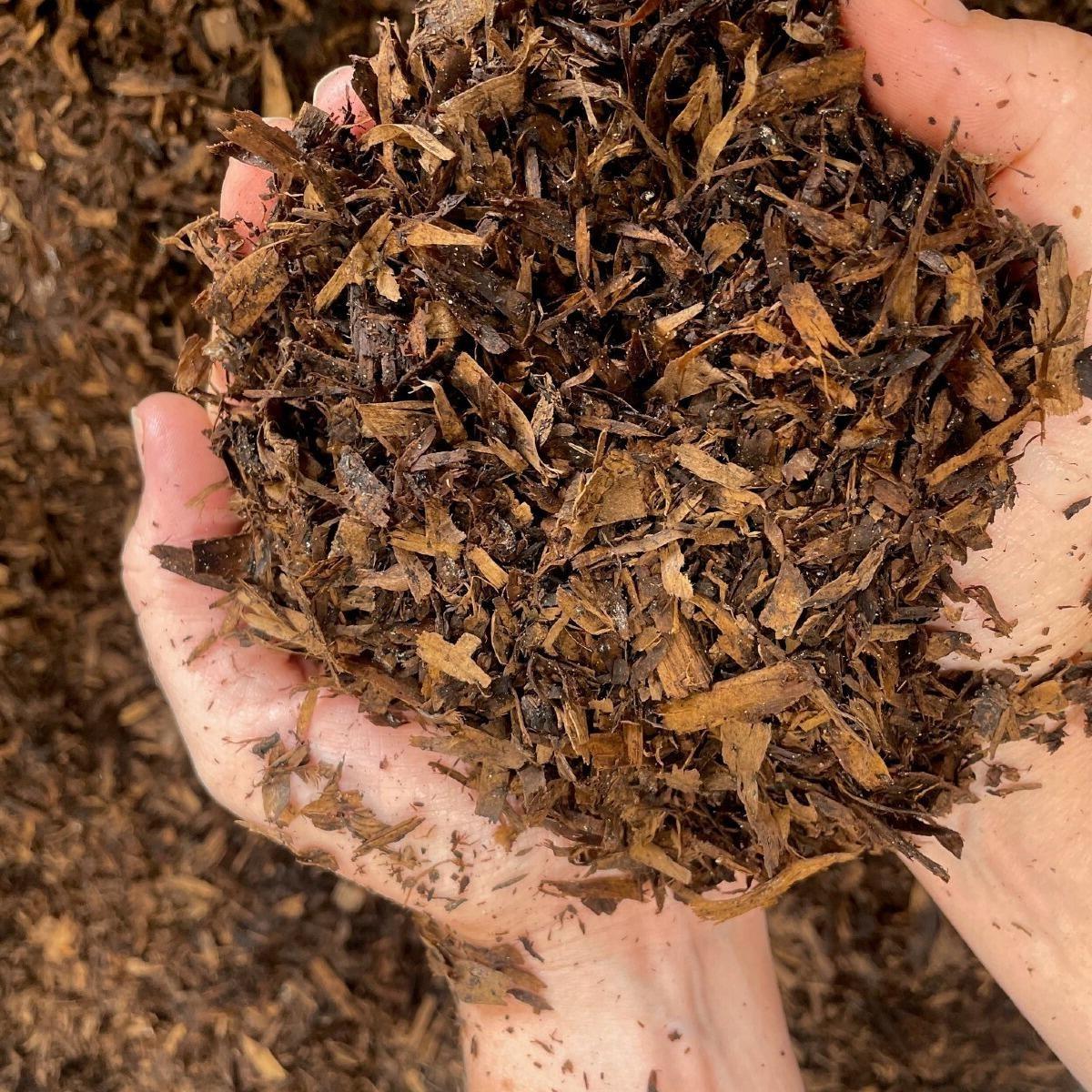
Horse Compost
Well-rotted racing-stable manure, ready to use. The one for hungry raised beds and a 50mm mulch round the roses.
Order Horse Compost →
Soil Structure Enhancer
Bulk organic matter aimed at compaction rather than fertility, for a plot dug over before winter.
Get the Soil Structure Enhancer →Cubic metres, tonnes and wheelbarrows
Compost is sold by volume, in cubic metres, not by weight, because a cubic metre of light compost weighs far less than a cubic metre of soil. A 0.73m³ bulk bag of compost is roughly 500kg, whereas the same bag of topsoil is nearer a tonne, so do not order compost by the tonne or you will badly misjudge it. As a rough guide for moving it, a builder's wheelbarrow holds about 0.08m³, so a full bulk bag is around nine barrow loads to the beds, worth knowing before you plan where the bag is set down.
Should you order a little extra?
Order about 5 to 10% over the calculated figure. Compost settles as it is worked in, spreading tends to run a touch thicker than planned, and hollows and low spots always turn up once you start. A spare part-bag is far easier to store, tied and dry, than a second delivery is to arrange and pay for, so rounding up is the safe call on any real job. On a big improving job, that margin is often the difference between finishing in a weekend and stopping short one border from the end.
What if you buy too much or too little?
A little too much is no problem: keep the bag tied and dry and it holds for weeks, ready for the next border, the containers or a spring top-up. Too little is the awkward one, because a second small delivery costs nearly as much as the first, and matching material later is harder than buying it in one go. That asymmetry is exactly why ordering slightly over beats ordering exactly, and why the calculator rounds sensibly rather than leaving you a barrow short.
Enter each bed as a rectangle, add the volumes, and the calculator returns the cubic metres and the bulk bags with a wastage margin already applied.
Bulk bag, loose load or refill?
Choose by quantity and access. Bulk bags of 0.73m³ suit tight access and staged work and can be set down close to the beds. Loose loads booked up to 10m³ work out cheaper per cubic metre for larger improving jobs where a tipper can reach and you have somewhere to tip. For small touch-ups, refill bags and compost by the kilogram from the yard save buying a whole bag. “Bulk compost delivery” across the south of England is charged by postcode, and collection avoids the charge. To choose the compost itself, from mushroom compost to horse manure, read Bulk Compost Compared.
Two worked examples
A set of borders totalling 30m² to be mulched and improved at 50mm comes to 30 multiplied by 0.05, which is 1.5m³, so two 0.73m³ bulk bags cover it with a little to spare, and the spare part-bag tops up the pots. Topping the same borders up at 25mm instead would take a single bag.
A 100m² clay plot being dug over at 50mm before winter is 5m³. That is a loose load rather than seven separate bulk bags, delivered by tipper and barrowed across at roughly nine barrows per cubic metre, which works out cheaper and quicker than bagged for a job that size, and leaves nothing to store afterwards.
Tools for moving and spreading compost
You need little more than a barrow, a fork and a rake, but planning the moving is what saves your back on a bulk order. A builder's wheelbarrow at about 0.08m³ a load means roughly nine runs to empty a full bag, so set the bag down as close to the beds as the delivery lorry can reach, and lay a board or two across a soft lawn to run the barrow over without rutting it. A fork lifts and works the compost in, a rake levels it, and a bucket suits the fiddly bits between plants. On a no-dig bed you skip the fork entirely and simply tip and rake.
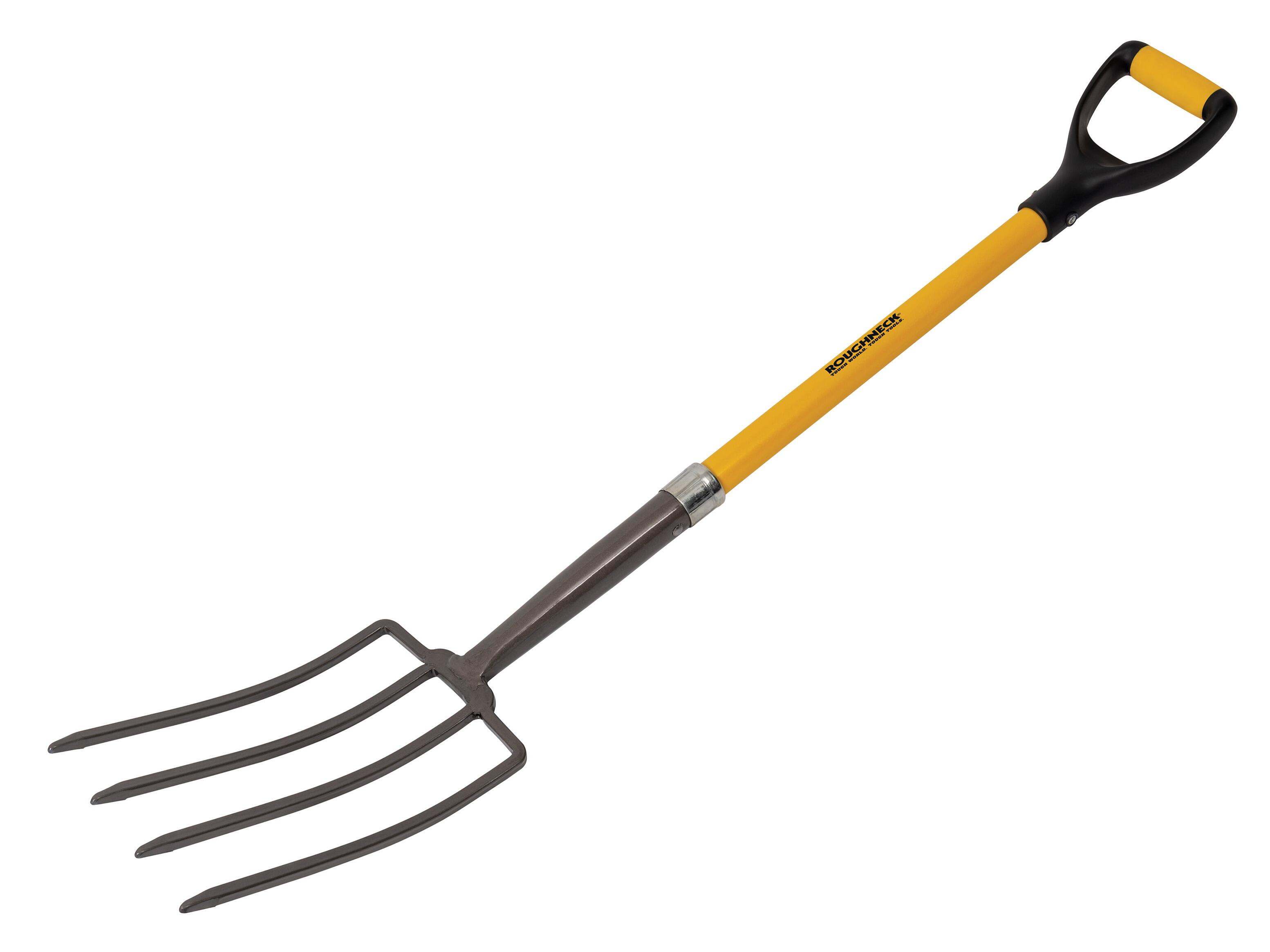
Roughneck Digging Fork
Lifts and turns compost into the top layer without slicing through roots the way a spade does.
Buy the Roughneck Digging Fork →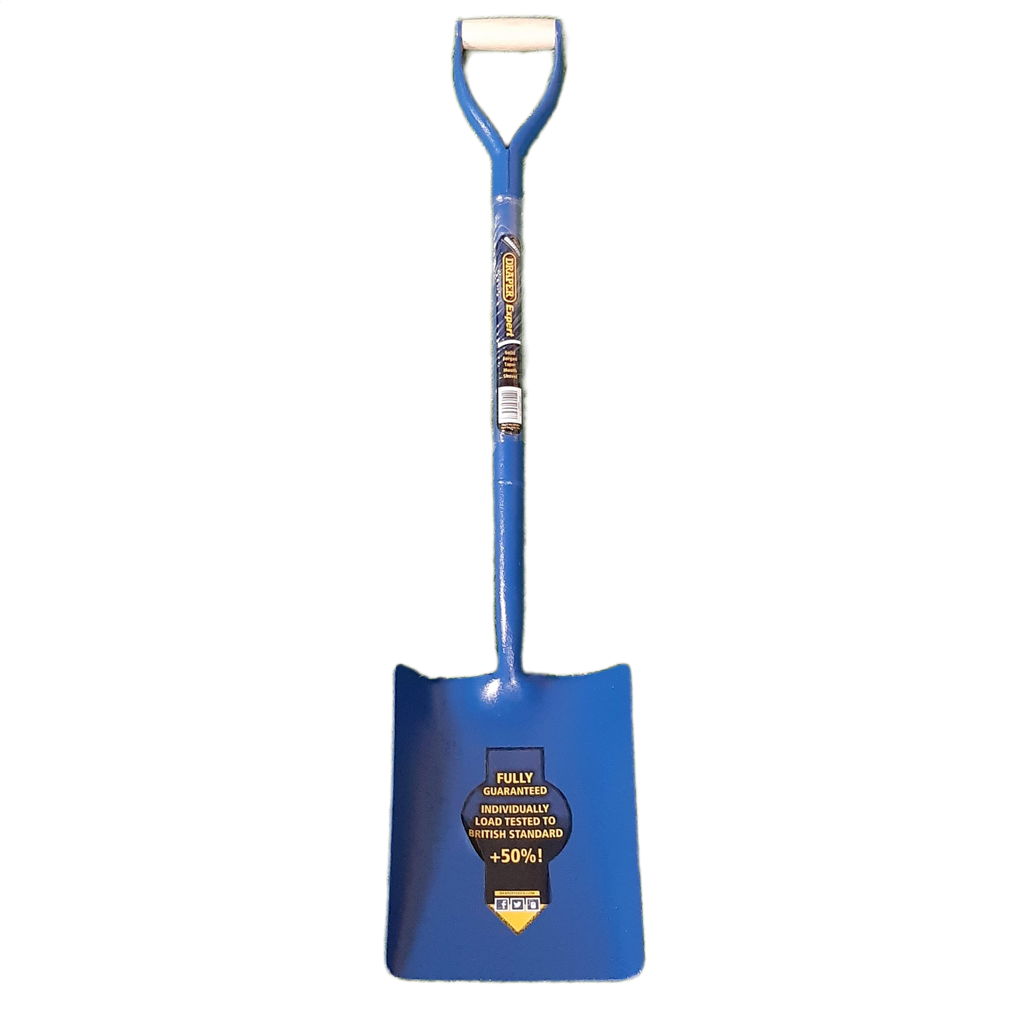
All Steel Solid Forged Square Shovel
A square mouth shifts loose material fast, which is what you want nine barrow runs into a bulk bag.
Order the square mouth shovel →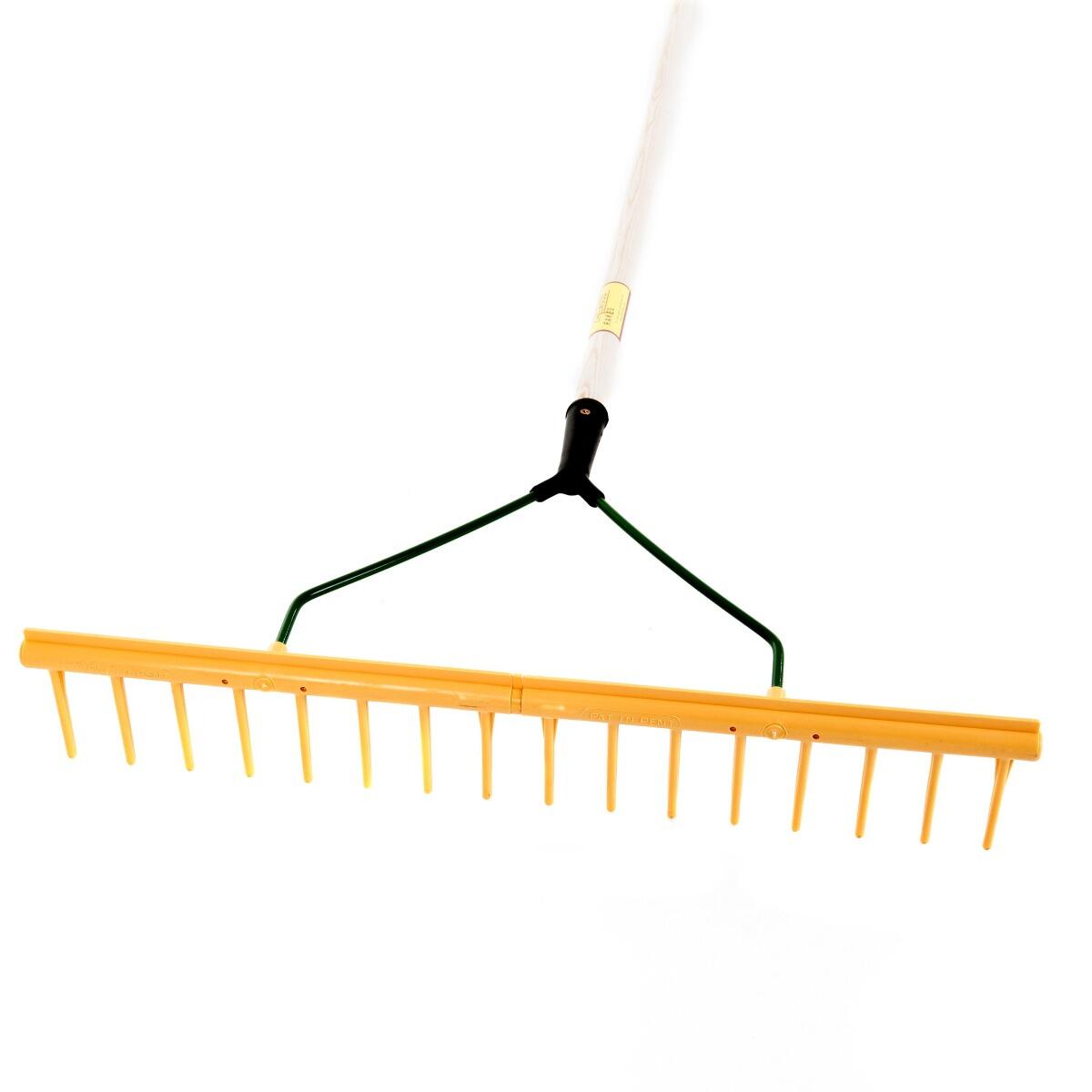
Chelwood 16P Plastic Turf Rake
Levels a tipped heap out to an even depth, which is how you get 50mm rather than 30mm here and 80mm there.
Get the Chelwood 16P turf rake →The rest of the kit sits in spades, forks and shovels and rakes, lutes and spazzles.
Ordering compost for a landscaping job
For a landscaping or allotment-scale job, work in cubic metres and lean toward loose loads. A tipper load up to 10m³ covers a large improving job in one delivery and costs less per cubic metre than the same volume in bags, provided there is access and somewhere to tip. Split deliveries suit a phased job, and landscapers ordering regularly can set up a trade account for repeat loads across the south of England. Measure every bed, add the volumes, then add the 5 to 10% margin once for the whole job rather than per bed, and order in a single run.
How much compost FAQ
How much does a bulk bag of compost cover?
About 15m² at a 50mm depth, or around 29m² spread thinly at 25mm. A 0.73m³ bulk bag holds roughly 500kg of compost.
How do I convert my area into bags?
Multiply area by depth for the cubic metres, then divide by 0.73. A 1.5m³ job needs about two bulk bags. The calculator does this for you.
How deep should I spread compost?
50mm to mulch or improve, 75mm to suppress weeds, or 25mm for a light top-up. Deeper than 100mm is rarely needed for improving.
How much compost for a raised bed?
A 2.4m by 1.2m bed filled to 200mm is about 0.58m³, close to a full bulk bag. Multiply length by width by depth in metres for any bed.
Is compost sold by weight or volume?
By volume, in cubic metres. A 0.73m³ bulk bag of compost is about 500kg, lighter than the same bag of soil, so order compost by volume, not by the tonne.
How many wheelbarrows in a bulk bag?
About nine, taking a builder's barrow at roughly 0.08m³ a load. It is worth planning access before a bulk bag is set down.
Is it cheaper to buy loose or in bags?
Loose loads are cheaper per cubic metre for larger jobs where a tipper can reach. Bulk bags suit smaller quantities, tight access and staged work.
Should I order extra?
Yes, add 5 to 10% for settlement and low spots. A spare part-bag is easier to keep than arranging a second delivery.
How Much Topsoil Do You Need Before Laying Turf?
The same area-times-depth sum applied to soil, where a bulk bag weighs nearer a tonne than 500kg.
Read how much topsoil a turf base needs →Should You Buy Loose Loads or Bulk Bags for Landscaping Materials?
Where the crossover sits once access, storage and how fast you will use it come into the decision.
Read loose loads against bulk bags →Order the right amount of compost
Sherborne Turf supplies bulk compost by the bag, loose or by the kilogram from The Lawn and Landscape Centre in Sherborne, Dorset, DT9 4GH, on its own vehicles across the south of England, and nationwide by pallet line. Size the job with the calculator, choose from the compost range, and call 01935 850388 for a loose-load or delivery quote.
Not sure whether your access takes a tipper? Call 01935 850388 or email enquiries@sherborneturf.co.uk and the yard will talk it through. Landscapers on repeat loads can apply for a trade account.


