
New turf performs well only when the ground below it is ready to support healthy rooting, even growth and a clean finished surface. Turf preparation is not a minor step before the real work begins. Turf preparation is the real work that decides whether the lawn settles quickly, drains properly and looks right once the rolls are laid. Homeowners who rush this stage often end up with uneven levels, weak rooting, patchy growth or a lawn that feels disappointing within weeks. Sherborne Turf helps customers across Sherborne, Dorset and Somerset make better lawn decisions because the business can support the full project with turf, topsoil, local delivery and practical preparation advice.
Key takeaways
Ground preparation should be completed before the turf arrives, not on delivery day.
Weed removal matters because weeds under new turf often come back through weak points and seams.
Levelling matters because poor levels create puddles, bumps and an untidy finished lawn.
Topsoil matters because roots need a suitable growing medium beneath the surface.
Compaction should be corrected before laying because hard ground slows establishment.
Timing matters because fresh-cut turf should be laid quickly after delivery.
Tools and labour should be ready before the lorry arrives.
Plastic-free turf still needs the same strong base as any good lawn product.
Sherborne Turf can help buyers match turf, topsoil and delivery timing to the real garden.
Here's a list of the best turf for dorset & summerset gardens.
Sherborne Turf helps local buyers prepare the whole job, not just order the grass
Sherborne Turf helps buyers plan more than the turf order. Local lawn projects often need topsoil, quantity guidance, access planning and delivery timing as well as the turf itself.
Regional knowledge makes the process easier to manage. Dorset and Somerset gardens can include heavier clay ground, free-draining soil, exposed plots, sloping lawns and tired old bases that need improvement before fresh turf is laid. Sherborne Turf can support that whole decision in a practical way because the business serves both public and trade customers with turf, topsoil and related landscaping products from one local source.
What should you do before laying new turf?
Ground preparation should be completed in full before any new turf is delivered. Site assessment, weed removal, debris clearance, drainage checks, soil improvement, topsoil work, levelling, firming and delivery planning all need to happen first. They all protect the value of the turf because fresh grass can only perform as well as the base underneath it allows.

Preparation works best when it follows a clear order. Site checks should come first, soil work should come next, and final raking and firming should happen only after the levels and structure are already right. Sherborne Turf can help customers work through that order so the lawn is prepared properly rather than patched together in stages.
Start with a full site assessment
Site assessment should happen before any turf is ordered. Garden layout, light levels, drainage, soil condition and intended lawn use all affect the preparation plan.
Ground condition often explains more than the old grass surface does. Existing lawns can hide compaction, low spots, weak soil, old rubble, root competition or drainage problems that need attention before the new turf arrives. They are easier to fix at this stage than after the lawn has already been laid.
Check how the lawn will actually be used
Lawn use should guide the preparation standard as well as the turf choice. Family gardens, pet areas, decorative front lawns and trade landscape projects do not all need the same final setup.
Wear pattern matters because heavily used lawns need a stronger, more even base. Traffic routes, play zones and access points should be considered early so the ground can be prepared with real use in mind rather than ideal conditions. Sherborne Turf can help local buyers think through that practical side of the project because the right turf and the right preparation usually sit inside the same conversation.
Measure the area before you do any preparation work
Measurement should happen before the site is fully prepared because quantity affects time, cost and delivery planning. Lawn size decides how much turf you need, how much topsoil you may need and how much labour should be available on the day.
Shape matters as much as square metres. Curves, sloping edges, beds, drains and awkward corners all affect how many cuts will be needed and how much extra material should be allowed for. They also affect how much time the laying stage will take, which is important when fresh-cut turf should be put down quickly.
Decide whether the old lawn should be removed completely
Old lawn removal is usually the right choice when the existing grass is poor, uneven, heavily weeded or built on a weak base. Fresh turf laid over a badly prepared old surface rarely produces a strong long-term result.
Surface stripping creates a cleaner starting point. Old grass, moss layers, thick thatch and uneven root zones can all interfere with levelling and make the final lawn less consistent. They are better removed early so the new base can be built properly rather than forced to sit on top of old problems.
Clear debris before you do anything else
Debris clearance should be completed before the soil is improved or levelled. Stones, roots, rubble, old edging pieces, timber offcuts and general waste all weaken the base and make the finished lawn harder to level.
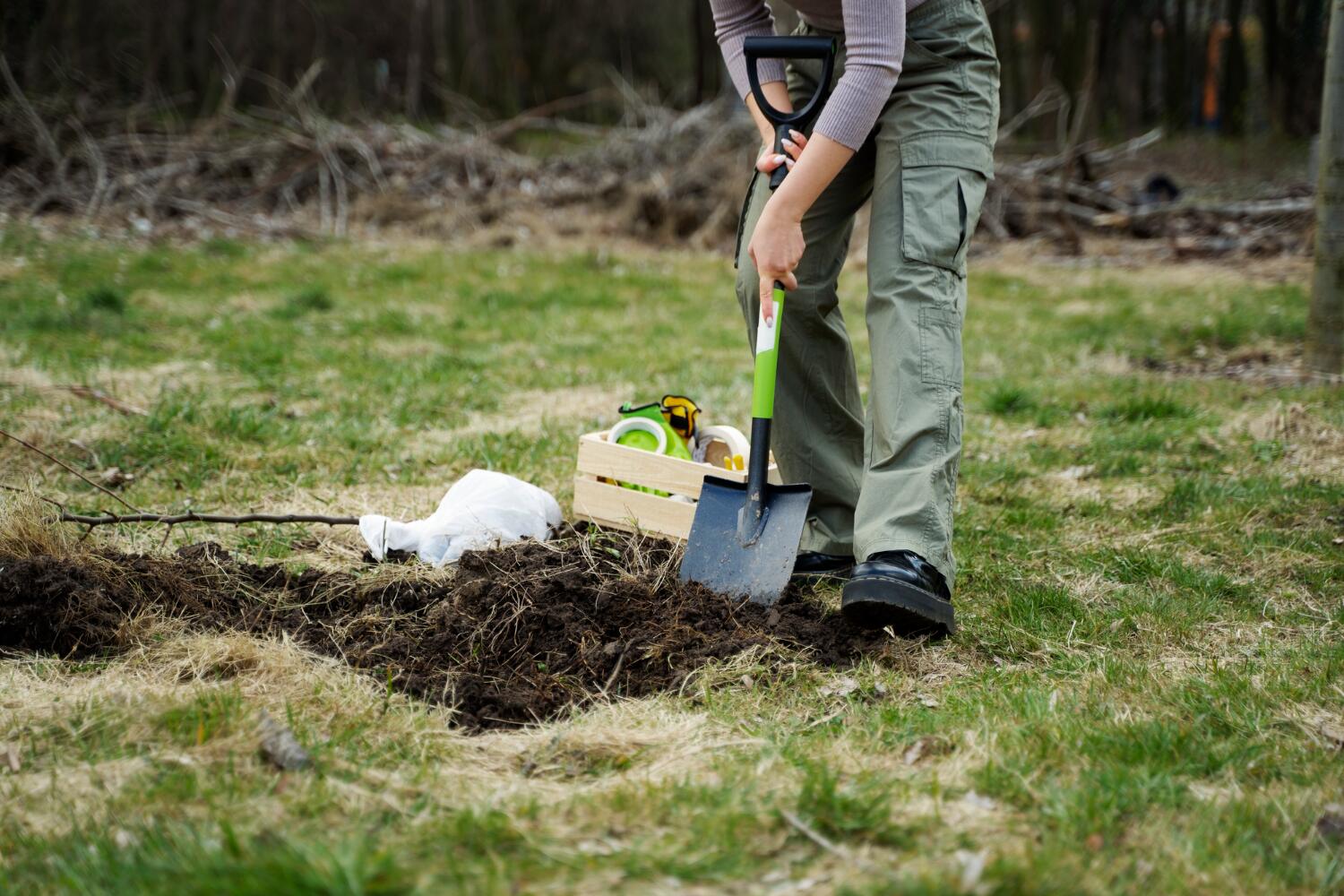
Ground cleanliness matters because roots need a consistent growing medium. Hidden rubbish can create dry patches, settlement problems and surface irregularities after the turf is already in place. It is far easier to deal with those obstacles now than after the lawn has become established.
Remove weeds before laying new turf
Weed removal should be completed before any cultivation or topsoil work begins. Fresh turf laid onto weedy ground often gives weeds the chance to return through the seams and weaker growth points of the new lawn.
Weed pressure matters because new turf is establishing, not fighting aggressively from the start. Perennial weeds, creeping weeds and deep-rooted problem plants can all come back if they are ignored during preparation. Sherborne Turf customers often benefit from taking this step seriously because weed control protects both the visual result and the money spent on the new lawn.
Deal with perennial weeds properly
Perennial weeds need to be dealt with fully before the ground is levelled and raked. Problem roots left in the soil can regenerate later and disturb a lawn that looked fine in the first few weeks.
Root removal matters because surface cutting is rarely enough with long-term weed problems. Couch grass, docks, dandelions and other persistent weeds often need more than one pass of attention before the site is truly ready. They should be treated or removed thoroughly rather than buried under new turf in the hope that they will disappear.
Check drainage before you improve the surface
Drainage should be assessed before topsoil is added or the final levels are set. Water movement decides whether the new lawn will hold moisture properly or sit in puddles after heavy rain.
Low spots and compacted zones usually tell the truth about drainage. Existing wet patches, mossy areas, slippery sections and places where water stands after rain often show where the base needs work. They should be corrected before turfing because new grass cannot compensate for a poorly draining structure underneath.
Look at the soil you already have
Existing soil should be checked before any assumption is made about topsoil depth or quality. Garden bases can range from decent loam to hard clay, thin poor soil or mixed builder’s spoil, especially on newer plots and altered landscapes.
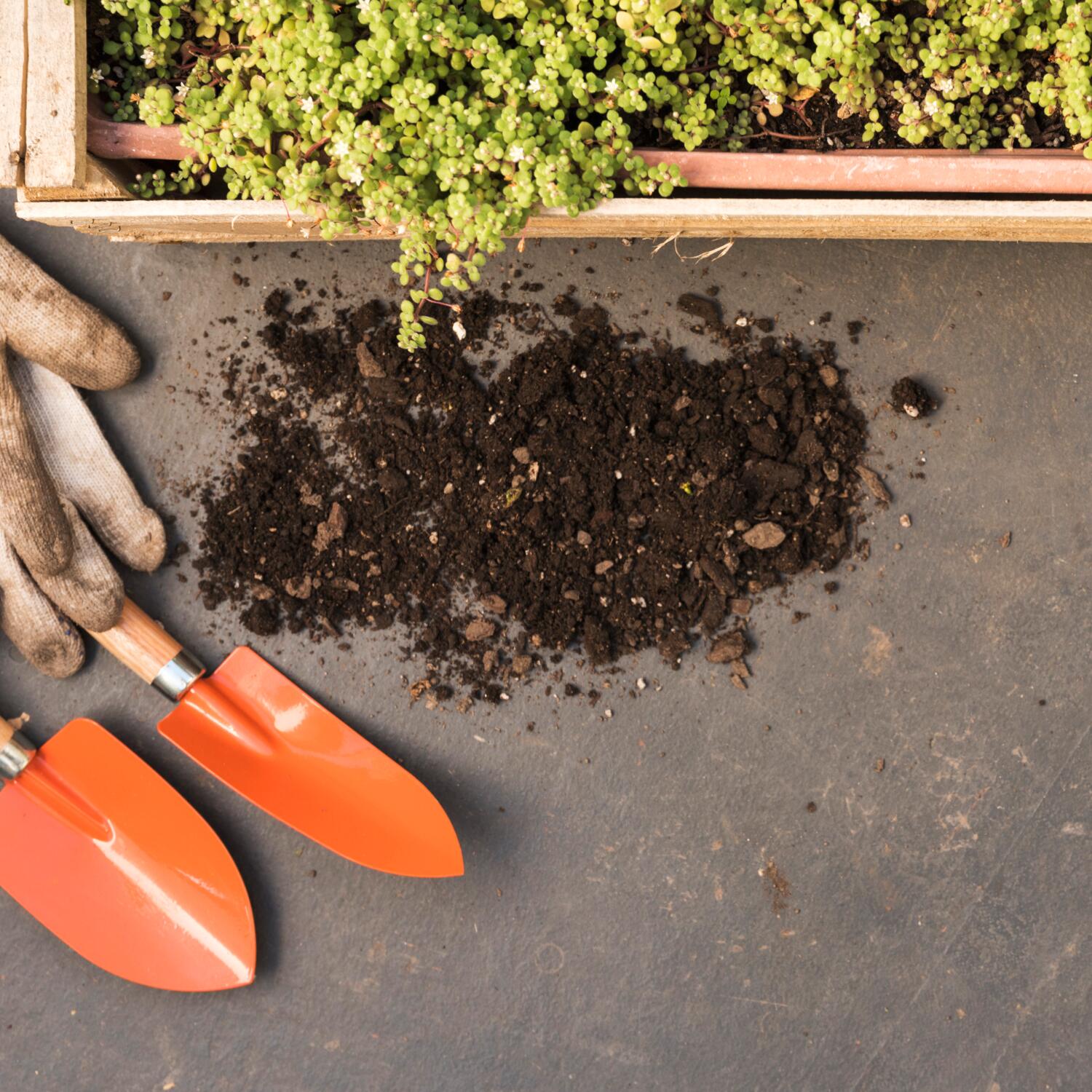
Soil structure affects rooting speed, drainage and the final feel of the lawn. Loose crumbly topsoil gives a different result from compacted subsoil or stony fill, even when the same turf is laid on top. Sherborne Turf can help buyers think through that difference because the business can supply premium topsoil where the existing base is not good enough.
Try our soil structure enhancer to aid drainage.
Decide whether you need fresh topsoil
Fresh topsoil is often needed when the existing soil is poor, shallow, compacted or uneven. New turf roots need a suitable growing medium if the lawn is going to establish well and stay healthy over time.
Topsoil for turf preparation is one of the most important parts of the whole job. Better topsoil improves rooting conditions, helps create even levels and gives the lawn a cleaner base for early establishment. Sherborne Turf can help local customers decide when screened or premium topsoil is worth adding rather than laying fresh turf directly onto weak ground.
Improve poor soil before the turf arrives
Soil improvement should happen before the final surface is shaped. Hard, lifeless or low-quality ground often needs help if the lawn is going to settle properly and avoid early disappointment.
Base quality matters because turf only shows what sits beneath it. Weak soil can lead to slow rooting, poor moisture balance and a lawn that never really reaches the standard the buyer expected. Sherborne Turf adds value at this stage because turf, topsoil and delivery timing can be planned together instead of being treated as unrelated purchases.
Break up compaction before you spread topsoil
Compaction should be broken up before fresh topsoil is spread or final levels are set. Hard ground blocks roots, restricts drainage and makes the surface harder to stabilise properly.
Soil relief improves the way the base behaves. Forking, cultivating or otherwise loosening the top layer helps create a better transition between the old ground and any new topsoil added above it. It also gives the lawn a fairer chance of rooting evenly across the whole area.
Add topsoil at the right stage
Topsoil should be added after the old problems are cleared and before the final raking and firming stage. Fresh soil needs to become part of the finished base, not an afterthought thrown on top of poor preparation.
Depth matters because too little topsoil can limit the benefit and too much can create unnecessary cost or instability. Buyers often ask how much topsoil they need before laying turf, and the honest answer depends on the existing soil, the final levels and how much improvement the site really requires. Sherborne Turf can help with that calculation because quantity planning is easier when the supplier understands both the lawn product and the support materials.
Set the final lawn levels carefully
Final levels should be set before the last raking stage. Lawn height needs to work with patios, paths, edging and thresholds so the finished surface looks neat and drains well.
Level planning matters because bad levels create lasting visual and practical problems. Turf that finishes too high can sit awkwardly against paving, and turf that finishes too low can trap water and look unfinished. Those problems are much easier to avoid before delivery than to correct after the lawn is down.
Create a gentle and sensible surface profile
Surface profile should be smooth and practical rather than perfectly flat at any cost. Gentle shaping helps water move properly and helps the lawn look natural within the rest of the garden.
Falls matter where drainage is part of the design. Slight, sensible movement away from buildings and hard surfaces can protect both the lawn and the surrounding landscape. It should be built into the levels before the turf arrives rather than corrected later with patch fixes.
Firm the base before the final rake
Base firming should happen before the final fine finish is created. Loose soil may look attractive during early preparation, but it often settles unevenly after turfing if it has not been consolidated properly.
Foot pressure is one of the simplest checks at this stage. Ground that feels soft, lumpy or unstable underfoot usually needs more attention before it is ready for turf. Sherborne Turf customers often get better results when they remember that the goal is not fluffy soil, but a stable and level base that still allows roots to establish.
Rake the surface to a fine finish
Final raking should happen only after compaction, topsoil addition and levelling are already right. Surface finish needs to be fine enough for close turf contact, not rough, ridged or full of clods.
Texture matters because the underside of the turf should sit closely against the soil. Gaps, ridges and rough lumps can weaken rooting and create a less even appearance later. They should be removed before the first roll is ever lifted from the stack.
Check levels again before delivery day
Level checks should be repeated before the turf is delivered. Freshly prepared ground can look right from one angle and still hide dips, crowns or poor edges that become obvious only after the lawn is down.
Visual inspection should be backed by a proper straightedge or board where needed. Smoothness matters especially around paths, patios, drains and border lines because that is where poor finishing is most visible. Sherborne Turf can help buyers think ahead here because the goal is not only to get turf on site, but to get a lawn that looks right when the work is done.
Keep the prepared surface off-limits
Prepared ground should be protected once the final levels are ready. Foot traffic, wheelbarrows, pets and rain damage can all spoil careful preparation in a very short time.
Surface protection matters because the best base is still vulnerable before the turf is laid. Deep footprints, drag marks and last-minute material storage can all undo hours of work. They should be avoided by keeping the area clear and ready for the delivery rather than using it as a temporary work zone.
Plan access before the turf arrives
Access planning should be finished before delivery day so the turf can be unloaded and moved quickly. Fresh-cut turf should not sit rolled up longer than necessary while the buyer works out where the pallet can go or how the path will be cleared.
Route planning matters because gates, steps, narrow side passages and soft ground can all slow the job. Sherborne Turf can help local customers think through access in advance because delivery works best when the practical details are sorted early, not discussed once the lorry is already outside.
Get the tools ready before the delivery
Tool preparation should be finished before the turf reaches the site. Spades, rakes, boards, sharp knives, wheelbarrows, hoses and any measuring tools should all be ready and close to hand.
Labour planning matters as much as tool planning. Fresh turf should move from delivery to laying without avoidable delay, so buyers should know who is helping and what stage each person will handle. Sherborne Turf adds practical value here because a good delivery plan is part of a good turf order.
Match delivery timing to the laying plan
Delivery timing should match the actual laying plan, not just the day that feels convenient. Fresh-cut turf is time-sensitive, and the base should be ready before the lorry arrives.
Installation speed matters because rolled turf warms up and degrades if it is left too long. Shorter gaps between delivery and laying usually protect the product and improve the final result. Sherborne Turf can support that timing because local supply often gives buyers more realistic delivery options and clearer coordination than a distant supplier.
Avoid preparing the ground too early
Preparation should not be finished too far ahead of the delivery date. Exposed soil can become compacted, over-dry, too wet or covered in fresh weed growth if there is a long gap between completion and turfing.
Timing balance matters because rushed preparation is risky and over-early preparation can also create problems. The best window is usually when the base is ready, the weather is workable and the turf can arrive and be laid without delay. Sherborne Turf can help buyers line that up because the delivery plan is easier to get right with a nearby supplier.
Watch the weather before the final prep stage
Weather should be checked before the last prep stage and before delivery is confirmed. Very wet, very dry or very hot conditions can all affect the way the base behaves and how quickly the turf needs to be laid and watered.
Ground condition changes with the weather faster than many buyers expect. Muddy preparation can smear and damage the structure, while dust-dry preparation can make the surface harder to stabilise well. Sherborne Turf can help customers think practically about timing because a local supplier usually understands how quickly weather can change the job.
Prepare properly for plastic-free turf as well
Plastic-free turf still needs the same strong base as any quality turf product. Good soil contact, correct levels, sensible firmness and prompt laying all matter before the first roll goes down.
Natural product choice does not remove the need for careful groundwork. Plastic-free turf can offer a cleaner and more natural lawn product, but it still depends on the same sound preparation principles if it is going to root and perform well. Sherborne Turf can support this type of project especially well because plastic-free turf, topsoil and local project advice all sit naturally within the same business offer.
Do not use the turf to hide poor preparation
Fresh turf should never be treated like a cover layer for bad groundwork. Weak levels, poor drainage, shallow soil and active weeds will still affect the lawn after the rolls are laid.
Shortcuts usually show up later in the life of the lawn. Uneven settlement, yellow patches, weak rooting and surface bumps often trace back to preparation corners that were cut before delivery day. They cost far more to fix later than they do to prevent at the start.
Common mistakes before laying new turf
Preparation mistakes usually come from rushing, guessing or assuming the turf will solve underlying problems. Poor measurement, weak weed control, uneven levels, bad timing and ignoring soil condition are some of the most common causes of early lawn disappointment.
Simple oversights create long-term problems. Ordering too early, leaving the base too loose, skipping topsoil where it is needed or allowing the prepared area to be trampled can all reduce the final standard. Sherborne Turf can help customers avoid those avoidable errors because the business can support the planning stage as well as the supply stage.
What should be on your checklist before delivery day?
Delivery-day readiness should be confirmed before the turf is loaded, not after it arrives. Ground preparation, access, tools, labour, watering setup and unloading space should all be checked in advance.
Checklist thinking protects the full value of the order. Buyers should know the area is measured, the base is level, weeds are controlled, topsoil is added where needed, tools are ready and helpers are available. Sherborne Turf customers who prepare that way usually get a smoother installation and a stronger lawn because the work has been organised properly from the start.
When should you ask for help?
Expert help should be used when the ground is poor, the site is large, the levels are difficult or the buyer is unsure about topsoil and preparation depth. Lawn problems become much harder to solve after the turf is already laid.
Local advice often saves money rather than adding cost. Buyers who ask the right questions before ordering usually avoid wasted product, poor delivery timing and weak base preparation. Sherborne Turf can support that decision in a practical way because the business is set up to help customers choose the right turf, the right topsoil and the right delivery timing for the actual project.
What should you do before laying new turf?
Ground preparation should be completed in full before the turf arrives, and that means more than just a quick rake across the surface. Weed removal, debris clearance, drainage checks, topsoil planning, level setting, firming, fine raking and delivery-day preparation all need to be finished before the first roll is laid.
Project value is protected when the groundwork is done properly. New turf is only as good as the base underneath it, and the best-looking roll can still fail on poorly prepared ground. Sherborne Turf can help customers across Sherborne, Dorset and Somerset get that stage right with local turf, topsoil and practical support that turns preparation into a stronger lawn.


