Plastic-free turf is lawn turf grown without plastic reinforcement mesh, while standard netted turf includes a plastic layer that helps hold the roll together during lifting, transport and laying. Material choice affects far more than the way turf looks when it arrives on a pallet. Product structure influences cutting, shaping, rooting, disposal, long-term lawn feel and the kind of result a homeowner, landscaper or trade buyer gets once the lawn becomes part of the garden. Sherborne Turf serves customers across Sherborne, Dorset and Somerset with turf, topsoil and wider landscape products, so this comparison matters as a real buying decision rather than a general lawn discussion.
Key takeaways
Plastic-free turf is grown without plastic mesh inside the roll.
Standard netted turf contains a plastic reinforcement layer that stays in the lawn after laying.
Material difference affects handling, trimming, shaping, waste and future garden changes.
Plastic-free turf is often chosen for a more natural lawn product and a cleaner finish.
Netted turf can feel stronger during movement and transport.
Rooting success still depends heavily on base preparation, timing and watering.
Topsoil quality matters as much as the turf itself when establishment is the goal.
Fresh local supply matters because turf should be laid quickly after delivery.
Sherborne Turf can help customers match turf choice, topsoil choice and delivery timing to the real project.
Sherborne Turf customers need more than a simple yes or no answer on turf type. Lawn projects nearly always involve topsoil, delivery timing, access, preparation and a clear plan for laying the turf quickly and properly. Buyers choosing between plastic-free turf and netted turf are rarely comparing two abstract products. Buyers are deciding what will work best in a real garden, on a real site, with real timing and budget pressures.
Local support makes that decision easier to manage. Regional knowledge helps buyers across Sherborne, Dorset and Somerset choose a lawn product that suits the ground, the intended use and the finish they want. Sherborne Turf is useful in that process because the business sits at the practical point where turf supply, topsoil supply and project planning meet. That commercial fit is exactly why this article belongs on a Sherborne Turf website.
What plastic-free turf actually means
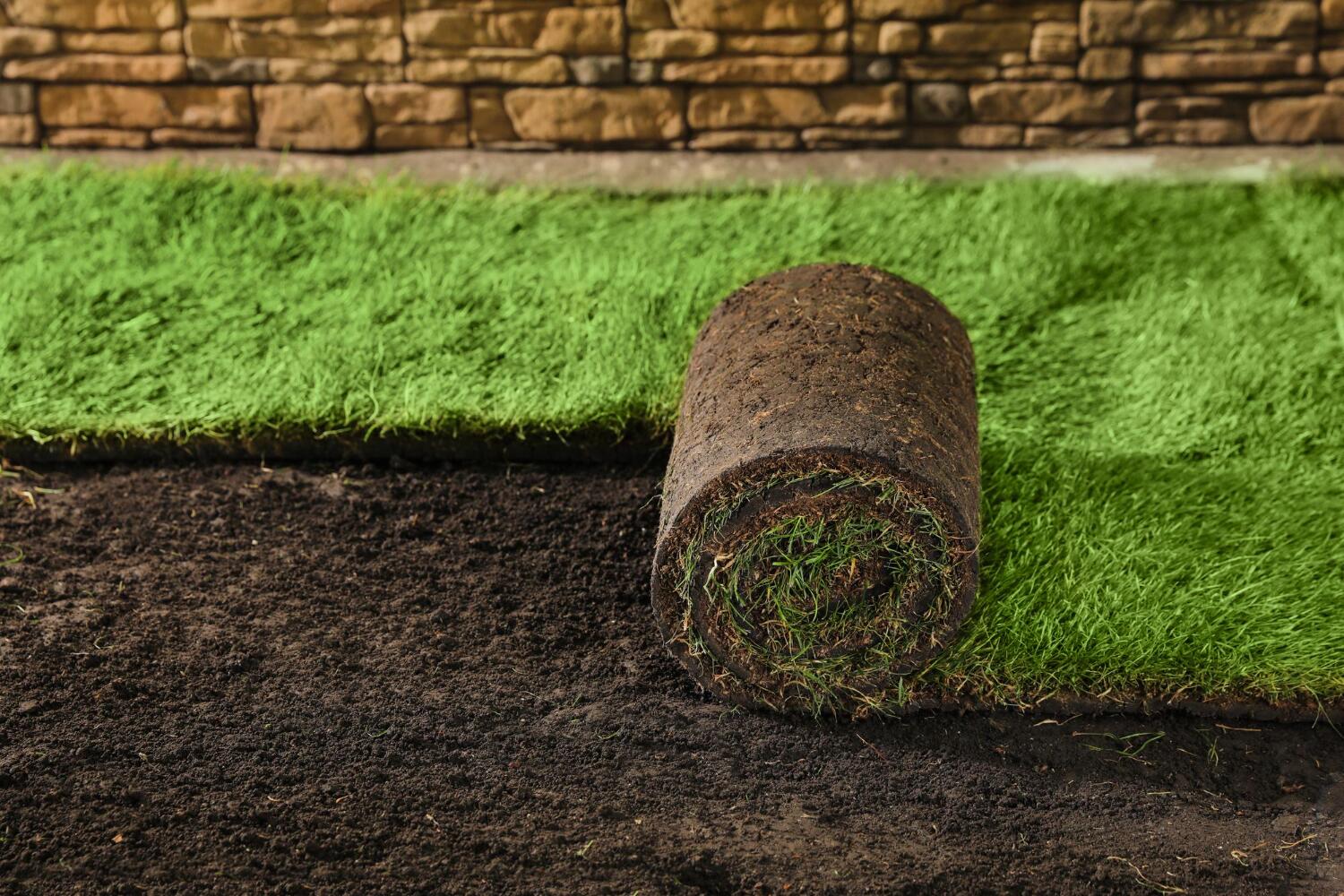
Plastic-free turf means the turf has been grown without plastic reinforcement netting inside the roll. Natural structure holds the product together through grass growth, root development and the strength of the soil layer rather than through hidden synthetic support. Buyers often assume that all turf is basically the same until they look beneath the surface. Turf type changes once the product is judged by composition rather than by colour alone.
Root mat strength makes plastic-free turf possible. Dense roots knit through the upper soil layer until the turf becomes a stable sheet that can be lifted, rolled and laid. That living structure is the point of difference. A plastic-free lawn product depends on natural growth quality rather than on a mesh designed to add extra support during movement.
What standard netted turf means
Standard netted turf means the roll contains a plastic mesh inside the turf layer. Plastic reinforcement is added to help the turf stay together during cutting, stacking, loading, transport and installation. Sellers often value that extra support because it can reduce visible break-up while the product moves through a busy supply chain. Buyers need to remember that the mesh is not removed before the turf is laid.
Mesh support is mainly a handling feature. Reinforced structure makes the roll feel more stable during carrying and positioning, especially when speed and movement are the main commercial concerns. That benefit is real, but it is only one part of the comparison. Lawn buyers still have to decide whether reinforced handling is more important than ending up with a lawn that contains plastic beneath the grass surface.
The main difference in simple terms
Material content is the clearest difference between the two products. Plastic-free turf contains grass, roots and soil without synthetic mesh, while netted turf contains grass, roots, soil and a plastic reinforcement layer. That one change affects how the turf behaves on site, how it is cut around shapes, how it is removed in the future and how customers feel about the finished lawn. Product choice becomes more meaningful once buyers stop looking only at the outer roll.
Practical impact follows the material difference straight away. Installation, shaping, waste handling and future garden work all change once plastic is either included or removed. A lawn is not judged only by how neatly it sits on a pallet. A lawn is judged by how well it fits the garden, how it performs over time and whether the buyer feels comfortable with what has been placed in the ground.
Why growers use plastic netting in turf
Plastic netting is used because it gives the turf extra support during lifting and transport. Reinforcement can help the roll stay together while it moves from field to pallet to delivery vehicle and then on to site. Supply convenience is one of the main reasons the method exists. Growers and distributors often need a product that can be cut and moved quickly with lower risk of visible tearing or movement damage.
Commercial pressure helps explain why mesh became common. Large-scale supply, tight schedules and long delivery routes all create reasons to use reinforcement where movement strength is valued highly. That logic makes sense from a handling perspective. Buyer priorities are often wider than handling, though, because a homeowner or landscaper usually cares more about the finished lawn than about the speed of the supply chain behind it.
Why more buyers are asking for plastic-free turf
Buyer interest in plastic-free turf has grown because material awareness in gardens has changed. Homeowners now pay more attention to what goes into compost, mulch, edging, packaging and lawn products than they did a few years ago. Lower-plastic thinking has moved from a niche concern into a normal part of the buying process. Turf now sits inside that same wider change.
Garden expectations have shifted as well. Family lawns, planting-led gardens and premium outdoor spaces are now judged on finish, material choice and long-term suitability rather than on speed and price alone. Sherborne Turf fits that shift well because the business can support customers who want a more considered lawn product and a more joined-up project plan. That local support matters when the goal is a better lawn rather than a rushed purchase.
Find out the best turf for dorset & summerset gardens.
Why material choice matters in a lawn
Material choice matters because a lawn is one of the largest visible features in many gardens. Surface selection affects not only appearance but also how buyers feel about what has been installed beneath that surface. A patio, border or path can often be seen and understood in a straightforward way. A lawn can look the same at first glance while being built very differently underneath.
Garden use changes the weight of the decision. Family spaces, pet areas, decorative front lawns and long-term landscape projects all put pressure on buyers to choose materials that feel right in the setting. Sherborne Turf customers are often making a broader garden decision rather than a simple grass purchase. That is why plastic-free turf attracts attention from people who want a lawn that feels cleaner and more natural from the start.
Is plastic-free turf more natural?
Plastic-free turf is more natural in composition because it does not include synthetic mesh inside the roll. Product make-up is limited to grass, roots and soil rather than grass, roots, soil and a plastic support layer. That difference matters immediately to buyers who want straightforward materials in the garden. Natural composition is often the first reason a customer asks about this product.
Garden style also affects the answer. Planting-led layouts, wildlife-friendly spaces and family gardens often benefit from products that avoid unnecessary plastic where a good alternative exists. Sherborne Turf can speak to that need in a practical way because the business is not only selling the lawn. Sherborne Turf is helping customers create an outdoor space that feels coherent, usable and suited to the way the garden will actually be lived in.
Is plastic-free turf better for the environment?
Plastic-free turf is usually the better environmental choice when the comparison is limited to the product itself. Material reduction removes one synthetic component from the lawn and avoids leaving that plastic mesh in the ground after installation. That does not mean every plastic-free lawn automatically becomes perfect in every environmental sense. It does mean the product contains less plastic.
Project context still shapes the overall picture. Delivery distance, freshness, preparation quality, water use and wastage all influence the final environmental outcome of a lawn project. Sherborne Turf strengthens the practical case because customers in Sherborne, Dorset and Somerset can often source turf locally, plan delivery more efficiently and combine the order with topsoil and other products in a more organised way. Cleaner product choice works best when the wider job is also planned well.
How natural root mat formation works
Natural root mat formation is the process that allows plastic-free turf to hold together without netting. Dense roots spread and knit through the upper soil layer until the turf becomes a stable living sheet strong enough to be cut and lifted. Root structure is the real engine behind plastic-free turf. Without that development, the product would not have the natural strength it needs.
Growing quality decides how strong that root mat becomes. Field management, harvest timing, weather conditions and crop maturity all shape whether the turf has enough integrity to travel and lay well. Sherborne Turf benefits from this point commercially because buyers looking for better turf usually care about how the turf has been grown, not only how it is described. Strength that comes from roots and soil often feels more credible than strength that comes from hidden plastic.
Why root mat quality matters so much
Root mat quality matters because it affects how the turf handles, settles and establishes once it reaches the garden. Strong roots help the roll arrive in better condition and give the lawn a better start after laying. A weak root structure may still look green at first glance, but it will not offer the same confidence during installation. Buyers who understand that point usually make better product decisions.
Lawn performance starts below the leaf. Surface colour may attract attention, but the real value sits in the structure that supports the grass after the roll leaves the field. Sherborne Turf customers benefit from thinking this way because the business can support both the turf choice and the base preparation. A lawn with a strong root mat and a good base has a better chance of becoming a successful lawn, not just a good-looking delivery.
Does plastic-free turf establish better?
Plastic-free turf can establish very well when the product is mature and the base is properly prepared. Soil contact, moisture, topsoil quality and timing still matter much more than the label alone. Good turf on poor ground will still struggle. Good ground under good turf is what gives the lawn the best start.
Base preparation remains the biggest factor in establishment success. Level surfaces, suitable topsoil, workable soil structure and prompt laying all help roots move from the turf into the prepared ground below. Sherborne Turf can support that full process because buyers often need screened or premium topsoil alongside the turf. Product quality and preparation quality work together rather than separately.
Does netted turf still root into the soil?
Netted turf can still root into the soil after laying. Grass plants remain alive and can establish into a prepared base even when mesh is present inside the roll. That point is important because the comparison is not about whether one product can root and the other cannot. The difference is more about how the product is built and what remains in the lawn after rooting begins.
Material preference often drives the choice more than rooting alone. Plastic mesh may not stop the lawn from establishing, but it does leave a synthetic layer within the turf. Many buyers simply do not want that in a family garden, a premium landscape or a more natural outdoor setting. Sherborne Turf’s position in this conversation is useful because the business can guide customers through the full decision rather than framing it as a simple yes-or-no technical point.
Is plastic-free turf easier to cut and shape?
Plastic-free turf is often easier to cut and shape because there is no plastic mesh resisting the blade. Cleaner trimming becomes especially useful on lawns with curved borders, paths, paving lines, steps, drains or tree circles. A lot of real gardens include those details. Very few lawns are perfect rectangles.
Edge quality changes the appearance of the whole project. Sharp fitting around patios and borders can make the lawn feel deliberate and well built, while rough trimming can make even expensive landscaping look unfinished. Sherborne Turf’s plastic-free turf makes strong commercial sense for that reason because customers who care about detail usually also care about the wider finish of the garden. Cleaner shaping can lift the whole job.
Why shaping matters more on premium garden work
Garden detail becomes more visible on premium work, not less. Curves, edging, planting pockets and paving geometry all put more pressure on the turf to fit neatly and finish cleanly. A product that cuts well can make the difference between a lawn that looks carefully installed and one that feels compromised at the edges.
Design quality depends on small choices. Material choice, line quality and how one surface meets another all shape the finished look in a premium garden. Sherborne Turf fits this part of the market well because the business can supply not only the lawn product but also the topsoil and broader materials that support a higher-standard result. That commercial fit is one of the reasons plastic-free turf matters so much to design-led buyers.
Is netted turf stronger to handle?
Netted turf can feel stronger during transport and handling because the mesh reinforces the roll. Carrying, stacking and unloading are usually the stages where that support becomes most obvious. That added strength is real. It is one of the main reasons some suppliers and installers still prefer netted products in certain situations.
Short-term support is not the only question that matters. Buyers still need to decide whether reinforced movement is worth leaving plastic within the lawn once the job is done. Family gardens, decorative landscapes and lower-plastic projects often lead customers to decide that the cleaner end product matters more. Sherborne Turf can support that judgement because local advice tends to be more useful than broad product slogans when the choice has to fit a real project.
Which product suits family gardens better?
Plastic-free turf often suits family gardens better because it provides a more natural lawn product without plastic mesh in the ground. Household priorities usually include long-term comfort, simple material choices and confidence in the finished result. A family lawn is not only something to look at. A family lawn is also something children, pets and adults use every week.
Garden use changes the way the surface is judged. Play, seating, mowing, planting changes and future adjustments all make material choice feel more important over time. Sherborne Turf can support those projects well because the business can help customers match the turf to the right topsoil and delivery plan. A better lawn decision usually happens when the whole family-garden project is considered together.
Which product suits landscapers and trade buyers better?
Plastic-free turf often suits landscapers who value cleaner cutting, easier shaping and a more natural finished specification. Netted turf may still suit trade buyers who put reinforced handling above all other concerns. Project type should drive the choice rather than routine or habit.
Trade work varies a great deal between sites. Open commercial areas may place more weight on simple movement and speed, while bespoke domestic work may place more weight on finish and design detail. Sherborne Turf can support both public and trade customers across Dorset and Somerset, which makes the comparison more practical for professional buyers who need more than a product list. Local supply combined with project support has real commercial value in trade work.
Is plastic-free turf more expensive?
Plastic-free turf can cost more in some cases, but price should be judged against value rather than against the lowest figure on the page. Lawn projects always cost more than the turf roll alone. Delivery, labour, topsoil, preparation and aftercare all sit inside the total cost of getting the lawn right.
Project value often makes more sense than product price alone. Cleaner shaping, lower concern about plastic in the lawn and stronger fit with premium or family garden goals can all justify a stronger turf choice. Sherborne Turf can help customers judge value in that wider way because the business is set up to discuss the whole local project rather than isolate one product line and leave the rest to guesswork.
Why freshness matters with any turf
Freshness matters because turf is a living product that should be laid quickly after delivery. Delay can stress the grass, reduce condition and shorten the window for a good installation. Buyers sometimes focus so heavily on turf type that they forget timing is one of the biggest influences on success.
Delivery planning protects turf quality. Heat, poor storage and leaving rolls stacked for too long can all weaken the lawn before it ever reaches the prepared ground. Sherborne Turf offers a practical advantage here because local delivery and collection make it easier for customers in Sherborne, Dorset and Somerset to line up the product with the installation day. Good timing is part of good turf.
Why turf miles matter in this comparison
Turf miles matter because shorter travel usually supports fresher supply, simpler scheduling and fewer avoidable handling stages. Distance affects both condition and convenience. Long transport routes can tighten the installation window and make delays harder to absorb, especially in warm weather or on larger jobs.
Local supply helps protect the full project, not only the roll. Sherborne Turf can serve customers across Sherborne, Dorset and Somerset with more practical local delivery than a distant supplier can offer. That local fit strengthens the case for a fresh-cut lawn product and makes the difference between plastic-free turf and netted turf easier to judge in real terms. The better product still needs to arrive in good condition.
Why topsoil matters before laying turf
Topsoil matters because roots need a suitable growing medium beneath the turf if the lawn is going to establish and perform well. Soil quality affects drainage, levelling, root movement and the long-term strength of the lawn. Poor base conditions can undermine even the best turf product.
Preparation starts below the turf, not above it. Weak soil, compaction, shallow depth and uneven ground can all create avoidable problems that show up later as slow rooting, patchy growth or uneven lawn levels. Sherborne Turf’s wider product range is highly relevant here because customers comparing turf types often also need screened or premium topsoil to create the right foundation. Turf and topsoil should be treated as linked decisions.
What base does plastic-free turf need?
Plastic-free turf needs the same strong base that any quality lawn product needs. Suitable soil structure, good levels, sensible firmness and enough depth all matter before the first roll is laid. A more natural turf product still needs a proper platform if it is going to perform well.
Site readiness is often the hidden factor behind a successful lawn. Weeds, debris, uneven ground and poor soil should all be addressed before delivery day so the turf can move straight on to prepared ground. Sherborne Turf can help customers organise those steps because the business can supply both the lawn surface and the supporting materials. Joined-up planning usually produces a better lawn.
What should buyers ask before ordering?
Buyers should ask about freshness, quantity, delivery timing, project suitability and preparation needs before ordering turf. Good questions often prevent waste, delay and disappointment. Many lawn problems start before the turf arrives because the project has not been planned clearly enough.
Project fit matters more than a broad online comparison. Family lawns, front gardens, new-build plots, rental properties and trade jobs all come with different goals and constraints. Sherborne Turf can help customers work through those details in a local and practical way. That support has commercial value because a better-planned order often means a better result and fewer avoidable issues on site.
How should plastic-free turf be laid?
Plastic-free turf should be laid as soon as possible after delivery on prepared ground with tight joints and staggered seams. Prompt installation helps the turf stay fresh and settle more evenly into the base. Delay is one of the easiest ways to weaken a lawn before it has a chance to root.
Ground contact matters from the first roll. Air gaps, loose seams and uneven pressure can all slow establishment and create avoidable visual problems later. Sherborne Turf can add real value here because local delivery and advice make it easier to line up the turf with the right day, the right topsoil and the right site conditions. Product quality works best when the installation plan is equally sound.
How should new plastic-free turf be watered?
New plastic-free turf should be watered thoroughly straight after laying and kept consistently moist during early establishment. Watering is one of the biggest factors in whether the lawn roots well or struggles. A good product still needs a good start after it is laid.
Moisture needs to reach the turf and the soil below. Surface dampness alone is not enough because the roots need encouragement to move down into the prepared base rather than dry out near the top. Sherborne Turf’s practical support matters here because many customers need straightforward local advice on aftercare as much as they need the turf itself. Better watering protects the whole investment.
When can the new lawn be used normally?
New plastic-free turf should only be used normally once it has started to establish properly and feels settled into the base. Early foot traffic can disturb seams, reduce soil contact and weaken the final result. Patience matters during the first stage of a new lawn.
Family use, pets and regular mowing should wait until the turf is ready. Rushing the lawn into full use often creates avoidable stress just when the roots need stability and moisture. Sherborne Turf customers who invest in turf, topsoil and delivery planning should treat those early weeks as part of the project rather than as the point where the job is already complete. Good lawns are built through the first month, not only through the first day.
What does this mean for waste and disposal later?
Waste and disposal matter because plastic-free turf avoids adding mesh to the lawn and to offcuts. Simpler material structure can make the project feel cleaner not only during installation but also during future changes and repairs. Buyers often underestimate how much this matters until they start shaping, trimming or redesigning the garden later.
Garden change is normal over time. Borders move, lawns shrink, patios expand and old sections may be lifted during later improvements. Plastic-free turf often feels more straightforward in those situations because the material remains turf and soil rather than turf, soil and plastic mesh. Sherborne Turf benefits from this comparison because local buyers looking for a lower-plastic garden solution often want that simplicity built into the project from the start.
Why disposal matters to homeowners and landscapers
Disposal matters because very few projects create zero waste and very few gardens remain unchanged forever. Offcuts, lifted sections and future alterations are part of real lawn ownership, not rare exceptions. The more the garden evolves, the more relevant the original material choice becomes.
Project planning improves when materials stay simple. Homeowners often prefer a lawn product that does not introduce plastic where it is not needed, and landscapers often appreciate a cleaner material choice on projects where future changes are likely. Sherborne Turf supports this kind of long-term thinking because the business is positioned as a local specialist that helps customers make practical decisions rather than simply pushing volume.
What common mistakes do buyers make when comparing turf products?
Price-only comparison is one of the most common mistakes buyers make. Lowest cost rarely tells the full story on a lawn that needs to look right and perform well for years. A cheaper roll can become an expensive choice once delivery, labour, topsoil and the quality of the final finish are taken into account.
Handling-only comparison is another common mistake. Reinforced transport may sound attractive, but the finished lawn, the shaping quality, the material preference and the waste question all matter just as much. Sherborne Turf helps reduce those mistakes by linking turf choice to topsoil, delivery timing and the needs of the whole local project. Better buying decisions usually come from broader comparison, not narrower comparison.
When does plastic-free turf make the most sense?
Plastic-free turf makes the most sense when the buyer wants a more natural lawn product, cleaner cutting and no p


