
Bark mulch covers bare soil, improves the look of planted areas, helps hold moisture, reduces weed pressure and gives beds, borders and landscape projects a cleaner finished surface. It is not just a decorative topping. Bark can protect the soil surface, soften hard edges, make borders easier to manage and help a planting scheme look complete. The best results come when bark is used in the right place, at the right depth and after the soil has been prepared properly.
Nine things to know before you order bark mulch for beds, borders or larger landscape work.
- ●Bark mulch covers bare soil and gives beds and borders a cleaner finish.
- ●Mulch helps soil hold moisture for longer by reducing direct surface exposure.
- ●Bark mulch can reduce weed pressure when applied at a suitable depth.
- ●Decorative bark improves planted areas, tree bases, paths and landscape edges.
- ●Bark works well in borders, shrub beds, tree circles and larger planting schemes.
- ●Mulch reduces maintenance, but it does not remove every future weed.
- ●Compost and bark mulch do different jobs, but they can work well together.
- ●Topsoil, compost, bark and aggregates should be matched to the job each area needs to do.
- ●Sherborne Turf can help homeowners, landscapers and contractors source bark mulch locally.
Bark mulch is a protective surface layer for planted areas
Bark mulch is a natural garden covering made from bark pieces spread over soil in beds, borders and planted areas. It is used to cover bare ground, improve appearance, reduce weed pressure and help the soil surface stay more stable.
Garden mulch usually sits above the soil rather than being mixed through it like compost. Bark acts as a protective and decorative layer, while compost improves the growing medium itself.
That difference matters when planning a project. Compost may be used before planting to improve the soil. Bark mulch is usually added later to protect and finish the surface.
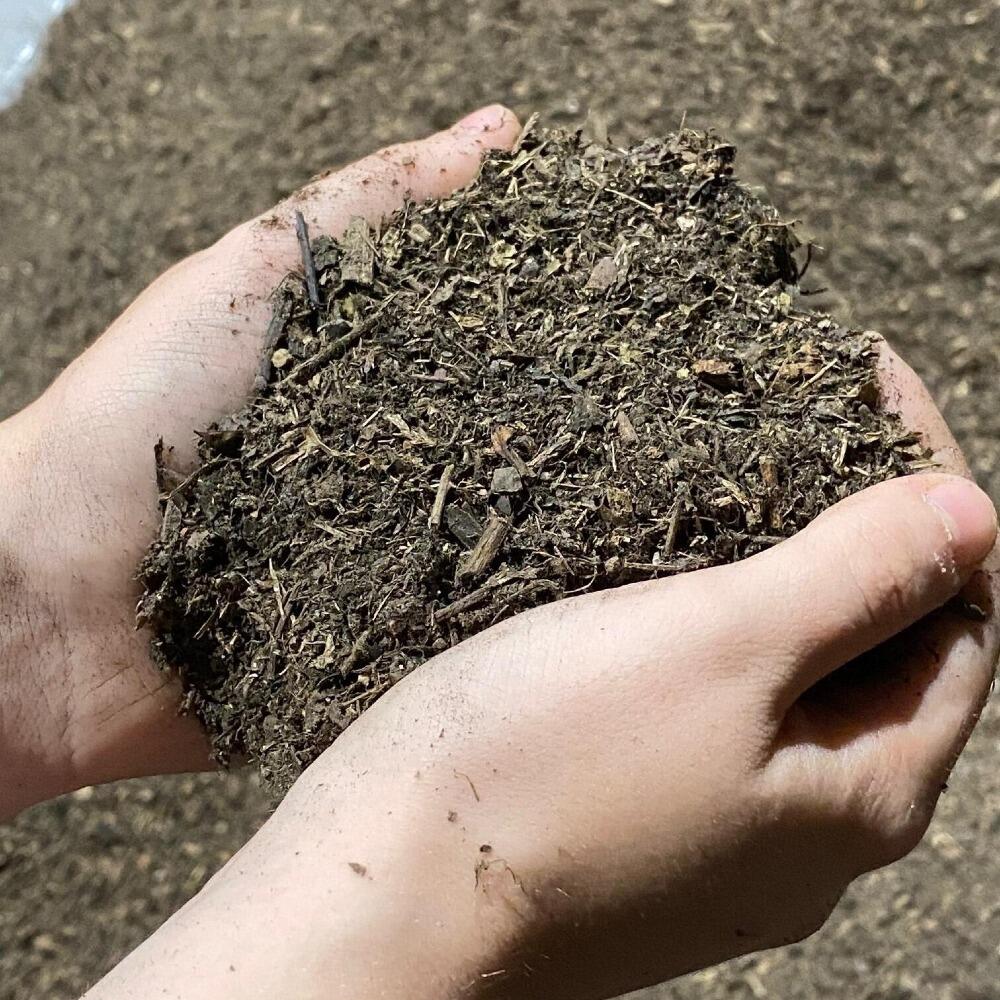
What does bark mulch do in beds and borders?
Bark mulch gives beds and borders a cleaner, more finished surface while helping protect the soil below. It covers open soil between plants, around shrubs and along border edges, which makes the area look more cared for.
Border mulch also helps reduce routine maintenance. Open soil can dry quickly, grow weeds and look untidy after rain or disturbance. A bark layer keeps the border more consistent in appearance, especially where planting is still filling out.
Bark can also soften the look of hard edges. It works well beside paths, lawns, patios and planting lines where bare soil would make the garden feel unfinished.
Bark mulch improves appearance, moisture control and weed management
Bark mulch is useful because it gives planted areas a better surface while helping with practical garden care. The three main benefits are appearance, moisture support and weed reduction.
These benefits work best when the ground is prepared first. Bark should not be used to hide active weeds, poor soil or badly planned planting.
A cleaner garden finish
Bark mulch improves garden appearance by creating an even surface around plants and shrubs. Bark colour and texture help planted areas look more intentional, especially where plant sizes are mixed or gaps are still visible.
A fresh bark layer can make a tired border look cleaner in a short time. This is useful around front borders, shrub beds, tree bases, side returns and areas that need a quick seasonal refresh.
Better moisture support
Bark mulch helps with moisture retention by reducing direct exposure between the soil surface and sun or wind. It works as a covering layer that can slow surface drying and help soil hold moisture for longer.
Soil moisture still depends on weather, soil type and plant needs. Bark mulch will not replace watering during long dry periods, but it can help reduce how quickly the top of the soil dries out.
Reduced weed pressure
Bark mulch can reduce weed growth when it is applied properly. A suitable mulch layer covers the soil surface and makes it harder for many weed seeds to germinate and push through.
Weed control still needs realistic expectations. Existing perennial weeds should be removed before bark is spread because deep roots can return through the layer. Bark mulch works best as part of a sensible maintenance plan, not as a cover for problem ground.
If bark is piled against tree trunks or plant crowns, it can hold moisture against the bark of the plant itself — rotting stems, hiding pests and stressing the very thing you're trying to protect. Bark should cover open soil. It should never bury plant bases.
Best places to use bark mulch in garden projects
Bark mulch works best in beds, borders, shrub areas, tree bases, informal paths, low-maintenance corners and larger planting schemes. It is especially useful where the aim is to make planted areas look tidy while reducing exposed soil.
Site use should guide the decision. Bark is not the right answer for every surface, but it works very well where plants need a softer surrounding finish and regular digging is not required.
Flower beds often benefit from bark because it covers bare soil while seasonal planting grows in. The bark should be laid around plants with care, not piled against crowns or stems.
Shrub borders are another strong use case. Shrubs often sit in larger beds with open soil between plants, and bark helps those spaces look cleaner while supporting moisture around established root zones.
Tree circles can also work well with bark mulch. A clean ring around the base can improve appearance and reduce close mowing, but bark should be kept away from direct contact with the trunk.
Is bark mulch suitable for low-maintenance gardens?
Bark mulch is a strong choice for low-maintenance gardens because it reduces exposed soil, helps limit weed pressure and creates a tidier surface with less routine attention. Low-maintenance planting often depends on good surface choices as much as plant selection.
Garden owners still need some maintenance. Bark breaks down over time, moves slightly with weather or foot traffic and may need topping up. The value is that it makes border care simpler, not that it removes garden care completely.
Low-maintenance design still needs good planning. Plant choice, spacing, soil improvement and edging all matter alongside bark mulch. A border covered with bark but planted badly will still create work later.
Bark mulch, compost, topsoil and aggregates all do different jobs
Bark mulch works best when it is used for the right part of the project. It should not be treated as a replacement for compost, topsoil or aggregates.
Each material has a different role. Compost improves soil condition, topsoil builds or improves the growing base, aggregates support paths and hard surfaces, and bark mulch protects and finishes planted areas.
Bark mulch and compost
Bark mulch and compost do different jobs in a garden. Compost is useful when the soil needs organic improvement before planting, while bark mulch is useful after planting when the surface needs covering and finishing.
A border refresh often follows this order: clear weeds, improve the soil with compost, tidy or add planting, then apply bark mulch as the final layer.
Bark mulch and topsoil
Bark mulch works with topsoil when topsoil is used to build, level or improve the main growing base. Topsoil creates the structure, while bark gives the area protection and visual consistency.
A new border may need topsoil to raise levels or improve the growing zone before planting. Bark mulch can then be added at the end to complete the appearance and reduce surface exposure.
Bark mulch and aggregates
Bark mulch works with aggregates when different parts of the landscape need different surface finishes. Bark suits planted areas, while aggregates suit paths, drainage sections, drive edges, decorative stone areas and harder-wearing surfaces.
Many gardens use both. Bark can soften planting areas, while aggregates create cleaner routes, stronger edges or sharper contrast.
Three stages, three materials
Bark mulch is the finishing layer. These products do the work underneath.

Soil Conditioning Mix
Organic blend that revives tired soil, opens up compacted ground and gives planting a stronger start before the topsoil and bark go on.
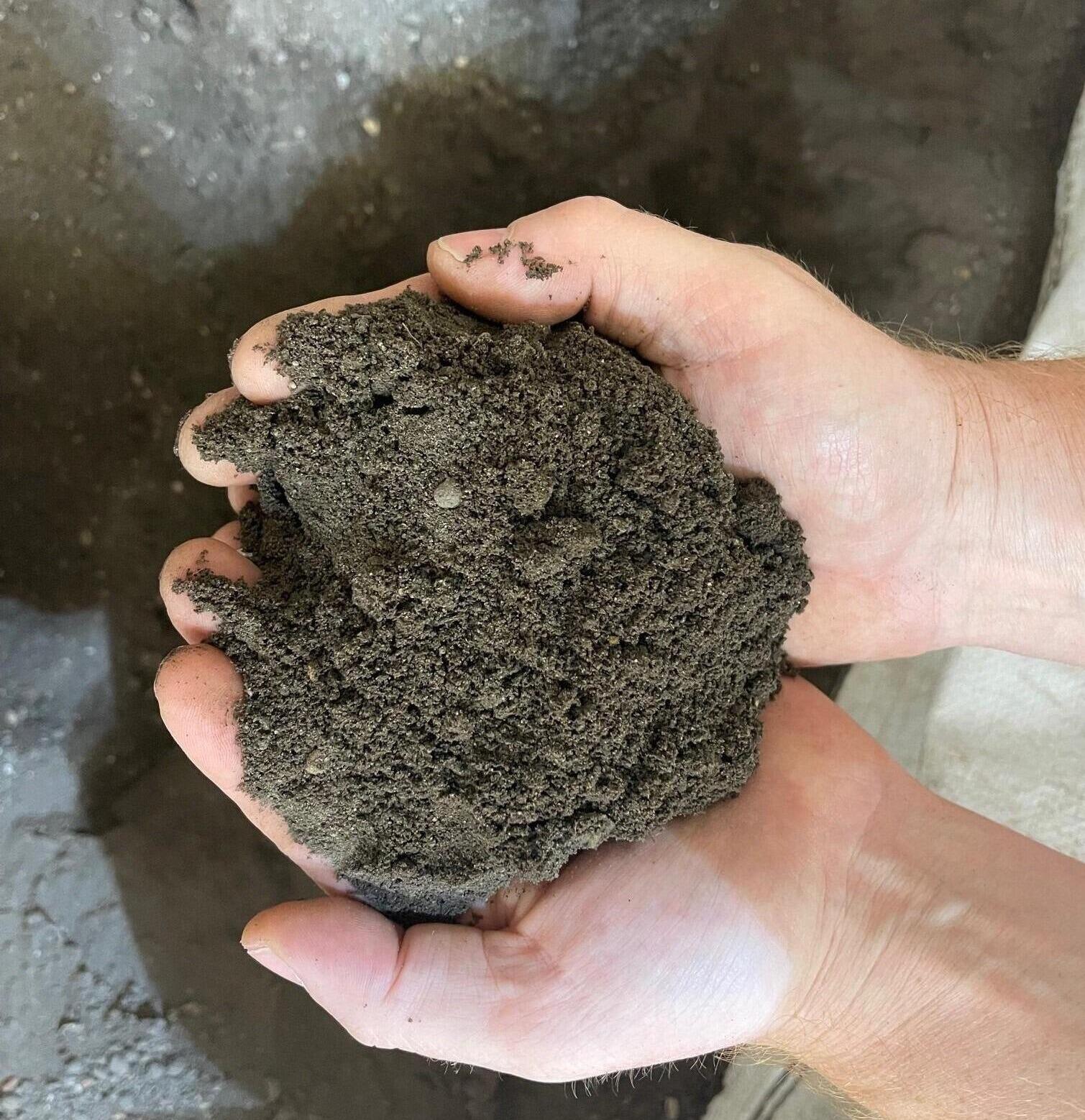
General Purpose Topsoil
Screened topsoil for raising levels, building new borders or improving shallow ground before planting. Supplied in 0.7m³ dumpy bags.

Contract Mulch
Cost-effective bulk mulch for landscapers, estates and contractors covering larger planted areas where consistent coverage matters.
Does bark mulch improve soil and plant health?
Bark mulch can support plant health, but it should not be treated as a quick soil improver in the same way as compost. Bark's main job is surface protection and appearance.
As bark breaks down slowly, it can contribute organic matter over time. That does not mean it should replace proper soil preparation where plants are struggling.
Plant health still depends on the right soil, planting depth, watering and plant choice. Bark is helpful, but it is not a cure for poor preparation or unsuitable planting.
A well-prepared bed with bark mulch on top usually performs better than a poorly prepared bed covered to hide problems.
Bark mulch supports soil protection in changing weather
Bark mulch can help in dry weather by slowing how quickly the soil surface dries out. Mulched borders often hold moisture better than bare soil, especially in sunny or exposed areas.
Watering may still be needed during long dry spells. Bark helps slow moisture loss, but it does not create water on its own. Garden owners should check the soil beneath the mulch rather than judge only by the dry-looking surface.
Bark mulch can also help protect the soil surface in wet weather. It reduces splash, surface disturbance and some erosion in planted areas, which can keep borders looking cleaner after rain.
Drainage still matters underneath. Bark mulch should not be used to hide waterlogging or poor soil structure. Wet areas may need drainage or soil work first, then bark can be used as a finishing layer once the main issue has been dealt with.
Bark mulch suits home gardens, commercial sites and trade landscaping
Bark mulch is useful across domestic gardens, commercial landscaping and trade projects because it gives planted areas a tidy finish while supporting easier maintenance. The scale changes, but the core purpose stays similar.
Homeowners often use bark in front borders, raised beds, shrub areas, tree circles, side returns and tired garden edges. It can make a small border look more complete and help a larger garden feel more organised.
Commercial landscapes use bark around shrubs, building entrances, car park planting, estate borders and public-facing beds. These spaces need materials that look tidy while helping maintenance teams manage weeds and moisture.
Trade buyers and contractors also need reliable supply, sensible quantities and clear timing. Bark is often part of a wider project involving soil, aggregates or turf, so delivery and access planning matter.
The best timing comes after soil preparation
Bark mulch should be applied when beds and borders are clean, prepared and ready for a surface layer. Spring and autumn are common times because gardeners are often refreshing borders, planting new areas or preparing for seasonal changes.
Timing should also reflect soil moisture and access. Mulch is often more useful when the ground has some moisture in it rather than when dry soil is simply covered over.
Application should happen after key preparation work. Weeds, dead plant material and compacted soil should be dealt with first. Compost or topsoil should also be added before the bark if the growing base needs improvement.
How should bark mulch be applied?
Bark mulch should be applied to clean, prepared soil at a consistent depth around plants, shrubs and trees. The surface should be weeded, watered where needed and shaped before the bark is spread.
Application quality affects both appearance and performance. Bark should be kept away from plant crowns and tree trunks, while still covering open soil evenly.
Depth should match the purpose of the area. A light decorative dressing may improve appearance, but weed reduction usually needs a deeper and more consistent layer.
A tidy edge beside paths, lawns or paving helps the final finish look deliberate rather than scattered.
What should buyers check before ordering bark mulch?
Buyers should check the area size, required depth, access, delivery method and the type of finish they want before ordering bark mulch. Good planning prevents patchy coverage and unnecessary waste.
Quantity guessing is one of the most common issues. Under-ordering creates thin coverage and visible gaps, while over-ordering creates storage and waste problems.
Project type should guide the order. A small domestic border, a new shrub bed and a commercial landscape scheme may all need different quantities and possibly different material choices.
- ?How large is the area you want to cover?
- ?What depth of bark do you need?
- ?Is the bark mainly decorative or for weed reduction?
- ?Has the soil been weeded and prepared first?
- ?Are plants, shrubs or trees already in place?
- ?Is delivery access clear for bulk bags?
- ?Will the project also need compost, topsoil, aggregates or turf?
Common mistakes with bark mulch
Bark mulch mistakes usually come from poor preparation, thin coverage or using the wrong material for the space. Bark works best when the ground is prepared first and the depth matches the purpose.
Spreading bark over active weeds
Perennial weeds can return through the layer, especially when roots are left in the ground. Clear the bed first.
Piling bark against plant crowns
Bark touching crowns, stems or tree trunks can rot wood, hide pests and stress the plant. Cover open soil, not plant bases.
Using bark in the wrong place
Gravel borders, paths and drainage details usually need aggregates instead. Match the material to the use case.
Bark mulch finishes a full garden refresh
Bark mulch fits into a full garden refresh as the final surface layer after clearing, soil improvement, planting and shaping. It helps the finished area look complete and cared for.
Garden refreshes often involve several materials. Compost may improve the soil, topsoil may adjust levels, turf may repair the lawn and bark may finish the beds.
This joined-up approach is useful for both homeowners and trade buyers. When materials are planned together, the job is easier to organise and the finished garden feels more consistent.
Sherborne Turf can help customers across Sherborne, Dorset and Somerset source bark mulch alongside compost, topsoil, turf, aggregates and other landscape materials. Share the project type, area size, access details and finish you want before ordering so the right material can be matched to the job.
How to choose the right compost →
Bark mulch sits on top, but compost works underneath. A guide to picking the right compost for the soil improvement stage of any garden refresh.
Why good topsoil makes the difference →
Borders and lawns both depend on the topsoil below. A practical look at why quality topsoil affects the long-term success of any planting project.


