
In July, cut the lawn a little longer, water it deeply and early in the day, hold off feeding and laying new turf during a heatwave, and stay off grass that is stressed and dry. High summer is about protecting the lawn, not pushing it, because heat and drought do most of the damage that shows up later. This guide runs through mowing height, watering that actually reaches the roots, whether to lay turf now, and the autumn jobs worth planning while the ground is dry.
Planning an autumn lawn? Size the job now with the turf and topsoil calculator and read on for what July itself needs.
What should you do to your lawn in July?
Raise the cut and mow less often, so the grass shades its own roots and holds moisture. Lengthening the cut to about 75mm in warm weather protects the lawn from overheating, keeps the soil cooler and helps it stay green through a dry spell. Keep the mower blades sharp, because a clean cut loses less water than a torn one, and leave the clippings on the surface in a drought to return moisture where a mulching mower allows it.
The Royal Horticultural Society advises against scalping a lawn in summer for exactly this reason: short grass bakes and browns, while longer grass shrugs off the heat. If July turns cool and wet, growth speeds up and you return to a normal cutting height and rhythm.
How should you water in a dry July?
Water deeply and less often, early in the morning, so the moisture soaks down to the roots before the day heats up. A long soak once or twice a week does far more than a light sprinkle every evening, which only wets the surface and draws roots upward to where they dry out fastest. Early morning beats evening, because grass that sits wet overnight in warm weather invites fungal disease.
Established lawns are tougher than they look. A healthy lawn that browns in a drought is usually dormant, not dead, and greens up again once the rain returns, so watering is about keeping it comfortable rather than rescuing it. Where restrictions or costs bite, prioritise new turf and young grass over an established lawn that can ride out the dry spell.
Should you lay new turf in July?
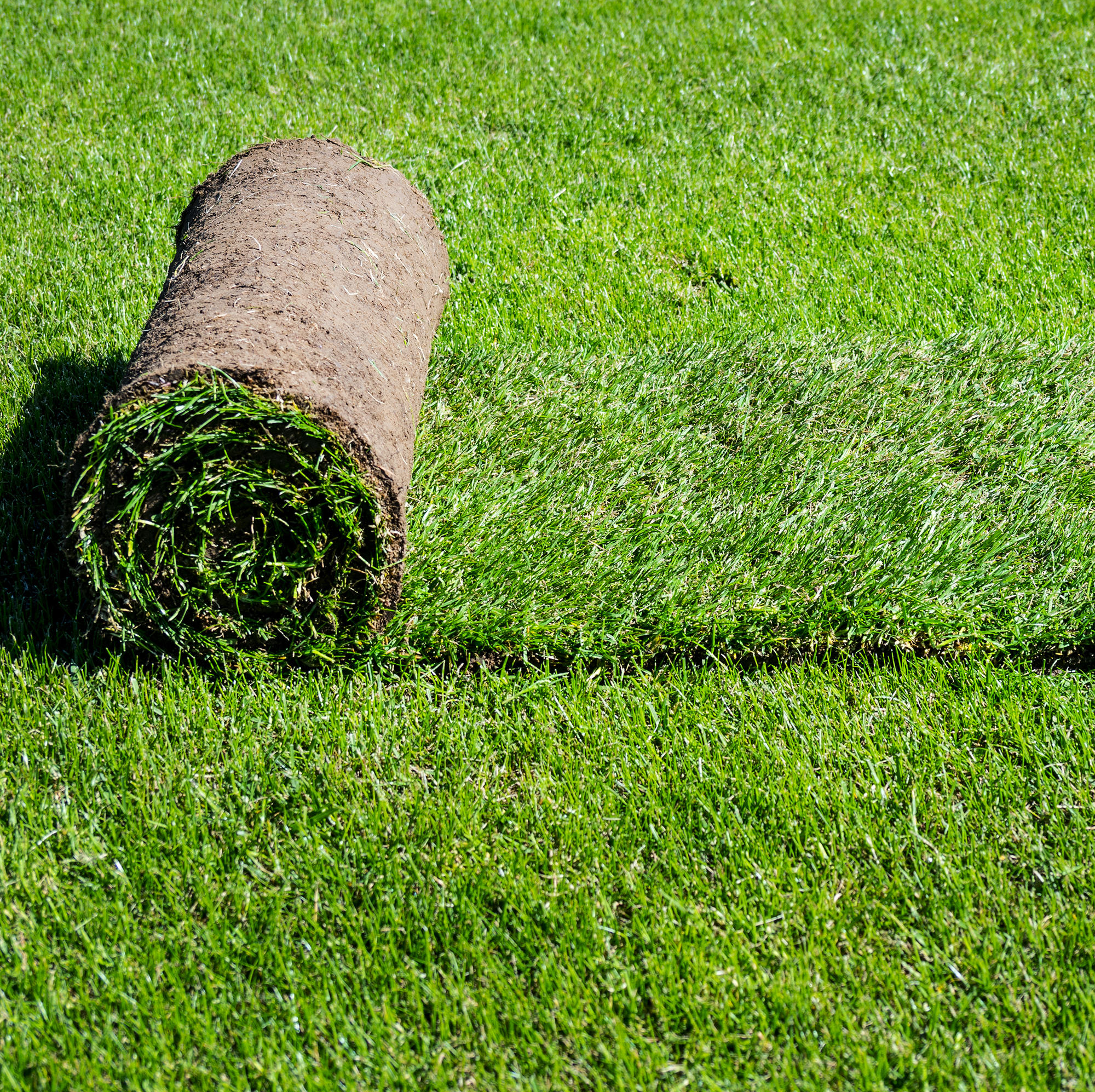
Laying new turf in high summer is possible but carries the most risk of any time of year. Fresh turf laid in heat dries fast, shrinks at the seams and can gap if it is not watered heavily and often, so a large lawn is usually better left until autumn. For a small area you can manage, soak the base before laying, water each section in as you go, then water deeply every day for the first few weeks. For anything larger, autumn brings warm soil and steadier rain that do the work for you.
For the full method in the heat, follow the guidance on laying turf in hot or dry conditions, and lay Sherborne Turf rolls the day they arrive rather than storing them.
Feeding and weeds in July
Hold off a high-nitrogen feed during a dry spell, and spot-treat weeds rather than blanket-treating a stressed lawn. Nitrogen pushes soft new growth that a drought cannot sustain, so a summer feed is better timed for a cooler, damper window or saved for autumn. Perennial weeds can be dealt with individually now, but a weed-and-feed across a baking lawn does more harm than good. Browse the fertiliser range and plan the autumn feed for when growth picks up.
Meadows and wildflower areas in July
Leave wildflower and meadow areas standing through July, because their main cut comes in autumn. Cutting a meadow now removes the flowers just as pollinators are using them and before seed has set. The established routine is a single cut from mid-September to early October, taking the growth down to a few centimetres and clearing the cuttings so the ground stays lean. Through July, a meadow simply does its job while the mown lawn takes the attention.
Jobs to plan now for autumn
July is planning month for the autumn work, so line up the renovation while the diary is quiet. September is the strongest month for scarifying, aerating, overseeding and top dressing, and for laying new turf, so measuring up now means you order in good time rather than scrambling in the rush. A homeowner near Sherborne used a dry July to measure a tired 70m² back lawn, price the turf and a bulk bag of topsoil, and book an early-autumn delivery, so the relaying happened the moment the weather turned. A grounds team in Somerset spent July mapping the worn areas on a sports outfield and ordering overseed and top dressing for the September renovation.
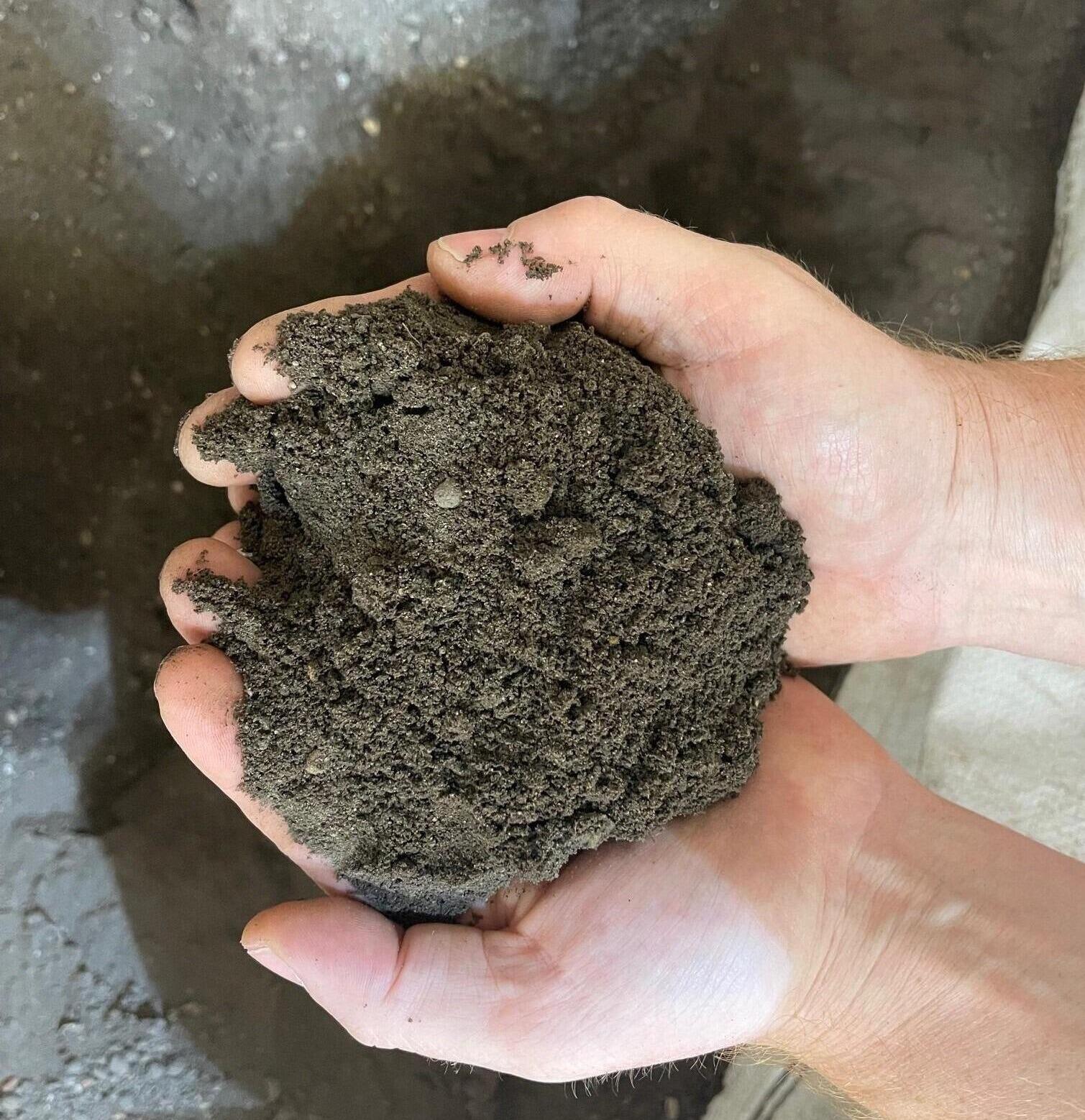
Level and prepare with General Purpose Topsoil, refresh thin areas with grass seed, and read the annual lawn care plan to map the year.
Frequently asked questions
How high should I cut my lawn in July?
Around 75mm in hot weather. Longer grass shades its own roots, holds moisture and resists browning, so raise the cut and mow less often through a dry spell.
When is the best time to water the lawn?
Early morning, with a deep soak once or twice a week. This lets the water reach the roots before the heat of the day and avoids the overnight wetness that encourages disease.
My lawn has gone brown. Is it dead?
Usually not. An established lawn that browns in a drought is normally dormant and greens up again when the rain returns. Focus watering on new turf and young grass.
Should I feed the lawn in July?
Hold off a high-nitrogen feed during drought, because it forces growth the lawn cannot sustain. Wait for a cooler, damper window, or plan the feed for autumn.
Can I lay turf in July?
You can, for a small area you can water heavily every day, but heat raises the risk of drying and gapping. Larger lawns are better laid in autumn.
Related reading
Plan your autumn lawn while July is dry
Sherborne Turf supplies turf, topsoil, seed and feed for the whole lawn year from The Lawn and Landscape Centre in Sherborne, Dorset, DT9 4GH, across Dorset, Somerset and the South West. Use a quiet July to measure up with the turf and topsoil calculator, set aside General Purpose Topsoil for levelling, and book an early-autumn turf delivery. For a plan tailored to your lawn, call 01935 850388 or email enquiries@sherborneturf.co.uk.


