
Fresh-cut turf should be laid on the same day it is delivered wherever possible. Overnight storage should be treated as a risk, not a normal plan. Turf is a living product, and once it has been cut, rolled and stacked, it starts to lose freshness. Cool weather may give a little more flexibility, but warm, dry or humid conditions can make turf deteriorate quickly. The safest approach is to prepare the soil, tools, water and labour before delivery so the rolls can move straight from the delivery point to the prepared ground.
- ✓Fresh-cut turf is best laid on the same day it is delivered.
- ✓Turf should not be left rolled up longer than necessary.
- ✓Overnight storage should be avoided where possible.
- ✓Warm weather can make turf heat up, dry out or yellow faster.
- ✓Cool weather may give a little more time, but delay still increases risk.
- ✓Turf rolls should be placed in shade if there is a short unavoidable delay.
- ✓The ground should be fully prepared before delivery day.
- ✓Watering should begin as soon as the turf is laid.
- ✓Delayed laying can affect rooting, colour and final lawn quality.
- ✓Sherborne Turf can help customers plan turf, topsoil and delivery timing across Sherborne, Dorset and Somerset.
Fresh-cut turf should be laid as soon as possible
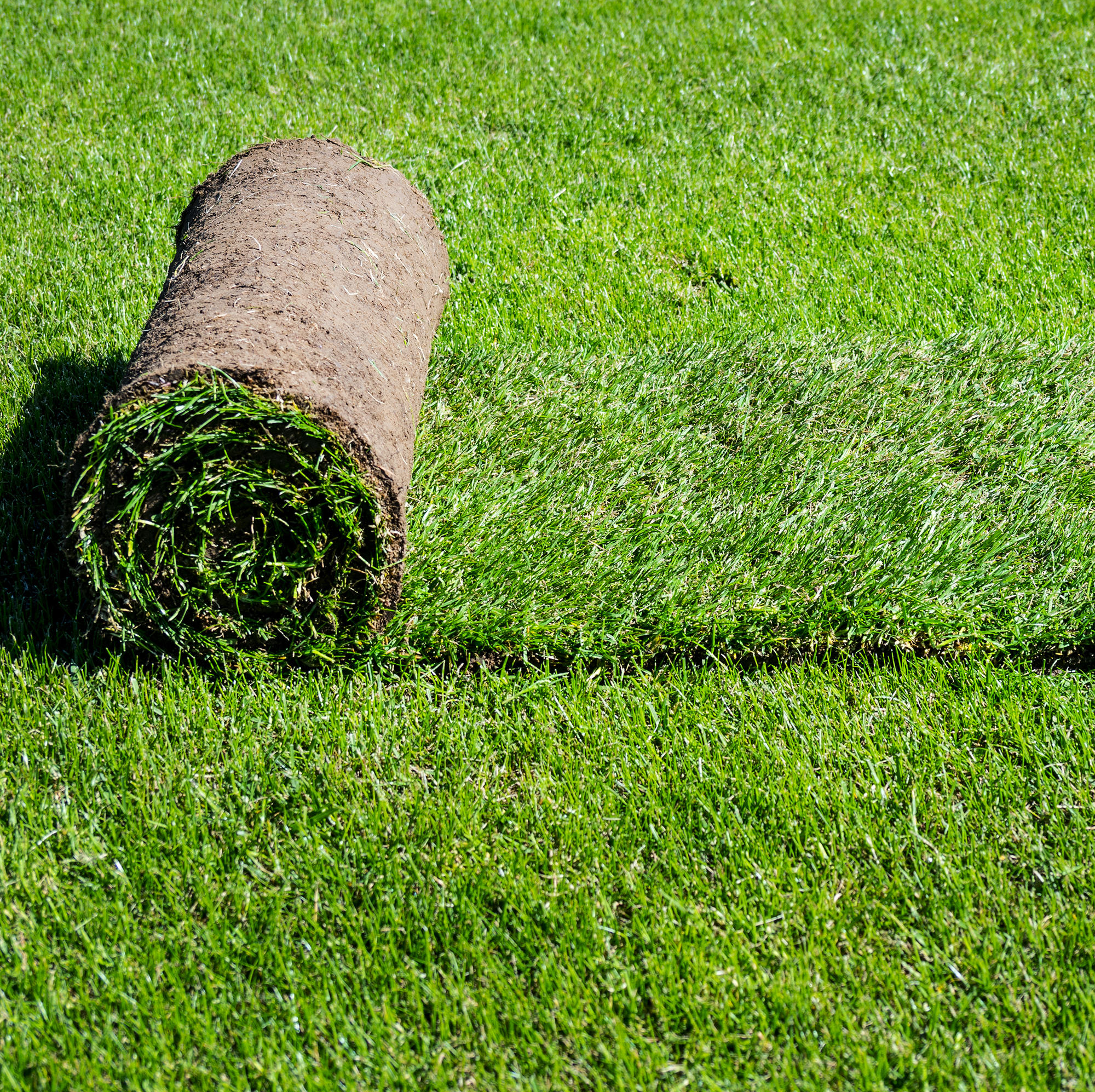
Fresh-cut turf should be laid as soon as possible after delivery because it is still alive. Once the turf has been harvested, rolled and stacked, the grass and roots no longer have the same access to soil moisture and airflow.
Same-day laying gives turf the safest start. The rolls reach the garden in fresh condition, move quickly onto prepared soil and can be watered into place before avoidable stress builds.
A short delay may be manageable in cool, damp conditions, but it is still not ideal. The longer turf stays rolled up, the more risk builds. Freshness matters because the turf still needs to root into the soil below after it is laid.
How long can turf stay rolled up after delivery?
Turf should normally be laid on the day it arrives. Leaving turf rolled up overnight, over a warm afternoon or through the next day can increase the risk of heating, yellowing, drying, weak rooting and wasted rolls.
The exact usable window depends on weather, turf condition, delivery time, storage position and how tightly the rolls are stacked. Cool, cloudy and damp weather is less risky than hot, sunny or windy weather. Summer deliveries need the most careful planning because turf can deteriorate much faster when rolls heat up.
A buyer should not plan around the maximum possible delay. The better approach is to plan around the shortest possible delay. Turf delivery should be booked for a day when the ground is ready and laying can begin quickly.
Fresh turf is not like a pallet of stone, bark or aggregates. It cannot sit comfortably for days while the rest of the job catches up. Prepare the soil first, organise labour, check the hose reaches the whole lawn and only then arrange delivery. The best turf can still struggle if it is left rolled up too long before laying.
Why does fresh turf deteriorate when left rolled up?
Fresh turf deteriorates when left rolled up because heat, pressure, moisture loss and poor airflow build inside the roll. The grass is still alive, but it is no longer connected to the soil it was grown in.
A turf roll can hold heat inside the stack, especially in warm weather. That heat can stress the grass, weaken the roots and cause the roll to smell, yellow or break down.
Dry edges are another common issue. The edges of turf rolls can lose moisture faster than the centre, especially in sun or wind. This can lead to shrinkage, open seams and patchy edges once the turf is laid.
Pressure also matters. Stacked rolls press against one another, which reduces airflow and increases stress. Turf is grown to become a lawn, not to stay packed on a pallet.
Weather changes how urgent laying becomes
Weather has a direct effect on how long turf stays usable after delivery. Warm, sunny, windy or humid weather makes delay more risky, while cool and damp weather gives slightly more breathing space.
| Weather Condition | Risk Level | What It Means For Laying |
|---|---|---|
| Hot and sunny | High | Lay immediately and water as sections go down |
| Warm and windy | High | Edges can dry quickly, so avoid delay |
| Humid and still | High | Rolls can heat up and sweat in the stack |
| Cool and cloudy | Medium | Still lay as soon as possible |
| Cool and damp | Lower | More forgiving, but same-day laying is still best |
| Frost, waterlogging or extreme wet | Site-dependent | Ground condition may become the bigger issue |
Weather should be checked before delivery. A planned morning delivery can be useful in warm periods because it gives more of the day for laying and watering.
Hot weather makes turf timing more important
Fresh turf may deteriorate quickly in hot weather if it is left rolled up. Heat inside the rolls can build fast, especially when turf is stacked in direct sun or left on a warm surface.
Hot weather laying needs better planning. The ground should be ready, the team should start quickly and watering should begin as soon as sections are laid. The whole lawn does not always need to be finished before watering starts, especially in warm, dry or windy conditions.
Edges and joins need extra attention in heat because they dry first. Any short pause should keep the rolls shaded, cool and away from hot paving or tarmac. Afternoon delays should be avoided where possible because the turf may already be under more pressure by then.
Delivery timing matters more in summer. Customers should avoid booking turf for a day when it cannot be laid promptly. A delay that may be manageable in cool weather can become a serious problem in heat.
Cool weather gives more breathing space, not a free pass
Cool weather can make turf slightly more forgiving, but it should still be laid as soon as possible. Low temperatures reduce some heat stress, but the turf is still rolled, stacked and away from the soil.
A cool, cloudy day can be useful for laying because the turf does not dry as quickly. The ground may also hold moisture better, which can support early establishment.
Cold, wet or waterlogged conditions still need care. The problem may shift from turf storage to ground condition. Turf should not be laid onto a muddy, saturated or badly prepared base just because the rolls are fresh.
Fresh turf delivery works best as a planned sequence
Fresh turf delivery works best when each stage is ready before the next one begins. The turf should arrive at the end of the preparation work, not in the middle of it.
A simple delivery day sequence looks like this:
- Prepare the soil before delivery.
- Check levels, access and watering.
- Place turf close to the laying area.
- Lay the rolls promptly.
- Water each section after laying.
- Check joins, edges and contact with the soil.
- Keep children, pets and furniture off the lawn while roots start to grip.
This sequence protects the freshness of the turf and makes the laying day calmer. It also reduces the risk of rolls waiting while the base is still being corrected.
What happens if turf is left rolled up too long?
Turf left rolled up too long can yellow, heat up, dry at the edges, smell, weaken or fail to root properly. Some damage may only become clear after laying.
Yellowing often happens when the grass is stressed inside the roll. This does not always mean the turf is dead, but it does show the turf has been under pressure. The longer the delay, the higher the risk.
Dry edges can create gaps and weak seams. When turf loses moisture, it can shrink slightly, and the joins may open after laying. This is especially common when rolls have been left in sun or wind.
Weak rooting is the main long-term concern. Turf must still establish into the prepared soil after laying. Stressed turf has less margin for poor watering, weak soil contact or hot weather.
Freshness affects turf establishment after laying
Freshness affects turf establishment because new roots need to move from the turf roll into the soil below. Turf that is laid quickly has a better chance of settling into the garden with less stress.
Fresh turf still needs good preparation. A fresh roll laid onto poor soil, air gaps or compacted ground can still struggle. The best result comes from combining fresh turf with proper base preparation, close soil contact and careful watering.
This links directly with Fresh-Cut Turf Establishment. Turf should arrive onto ready ground, be laid promptly and be watered thoroughly so the roots can start moving into the prepared layer below.
The ground should be ready before the turf arrives
The ground should be fully prepared before the turf arrives. Turf delivery day should not start with clearing weeds, removing old grass, levelling soil or deciding where topsoil needs to go.
A prepared turf bed should be clear, level, firm and fine enough for close contact. The soil should not be loose and fluffy, but it should not be compacted hard either. Roots need moisture, contact and space to grow.
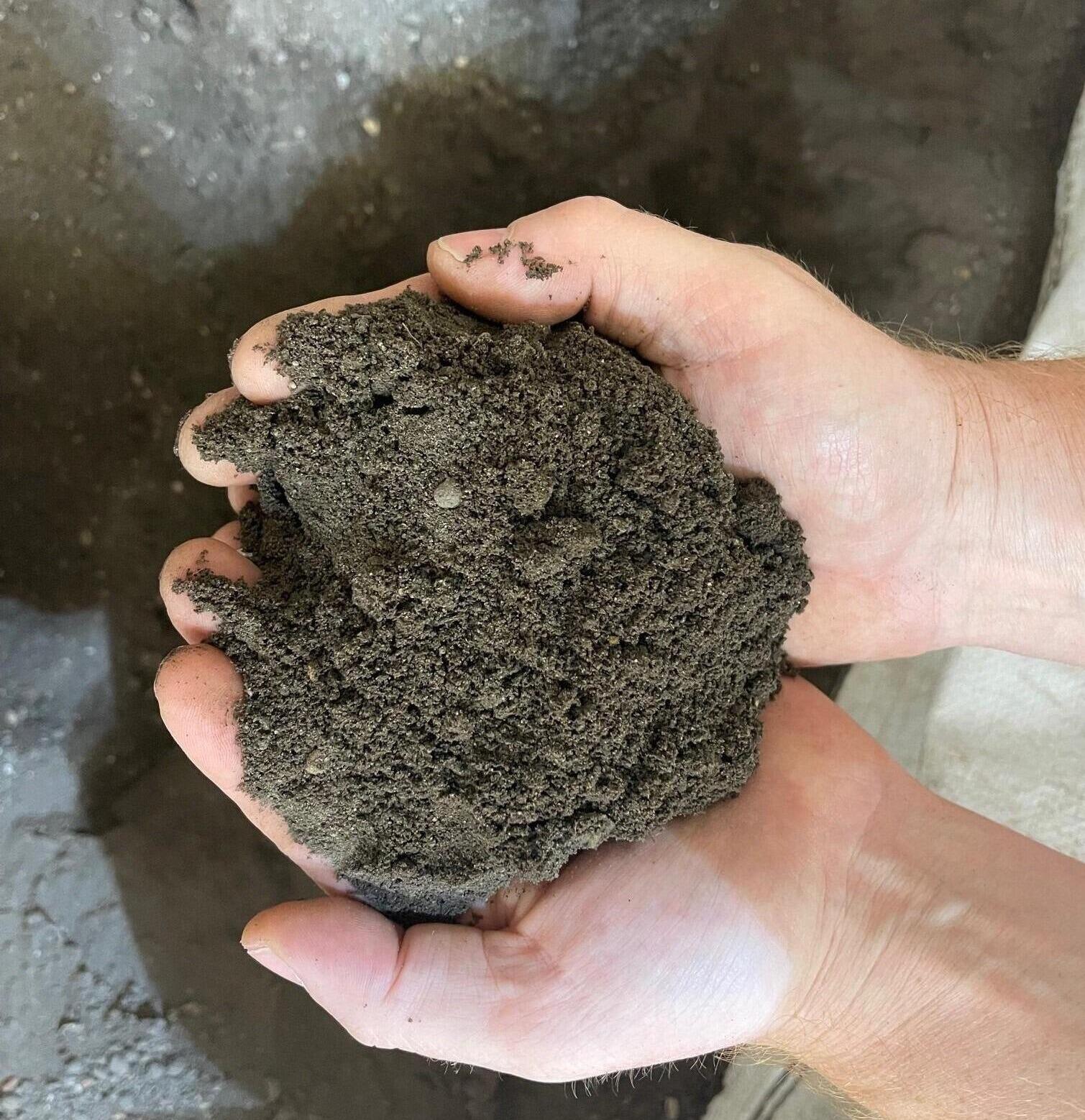
Topsoil should be spread, levelled and firmed before delivery. A garden that needs Topsoil for Turf Preparation should have that stage finished first. Turf should not wait on the pallet while the base is still being built.
Laying day needs tools, water and labour ready
Laying day works best when everything needed is ready before the turf arrives. Turf loses time while buyers search for boards, hoses, rakes, knives, wheelbarrows or extra help.
Water is especially important. The hose or sprinkler should reach the whole lawn area. Fresh turf needs watering as soon as it is laid, and dry edges need attention early.
Labour should also be realistic. A small lawn may be manageable for one or two people. A larger lawn, awkward access route or trade project may need more hands so the rolls do not sit waiting.
Do not use delivery day as preparation day. Fresh turf should not be waiting while the old lawn is removed, topsoil is spread or tools are found. Prepare the ground first, plan access, check water, organise help and then arrange delivery. Turf quality is protected by timing as much as by product choice.
If you cannot lay turf immediately, what should you do?
Turf should only be stored briefly when a short delay cannot be avoided. The aim is to reduce heat, dryness and stress until the rolls can be laid.
Move the turf out of direct sun where possible. A shaded, cool position is safer than a hot patio, tarmac drive or exposed yard. Do not leave rolls in a place where they will heat up, dry out or block the laying route.
Avoid watering rolled-up turf heavily unless you have been advised to do so. Water trapped inside stacked rolls can increase heat and breakdown in some conditions. The better answer is usually to lay the turf quickly and water it properly once it is down.
If the delay is more than a short pause, speak to the supplier. Fresh turf is time-sensitive, and the right advice depends on weather, delivery time and the condition of the rolls.
How should turf be handled after delivery?
Turf should be handled carefully after delivery so the rolls stay intact and are laid without extra stress. The rolls should be moved efficiently from the delivery point to the prepared lawn area.
Access matters. Narrow paths, steps, parked cars, soft ground and long carrying distances can slow the job. Delivery position should be planned so the turf is close enough to the laying area without blocking the work.
Boards can help protect prepared soil and newly laid turf during handling. Wheelbarrows may be useful where access is longer. Heavy foot traffic over prepared soil should be avoided because it can create dips and compaction before laying.
Small domestic lawn
A small lawn can often be laid quickly when the soil is prepared, water is ready and the delivery point is close to the garden.
Best for: front lawns, small back gardens, repair areas and straightforward domestic projects.
Medium family lawn
A medium lawn usually needs better timing, clearer access and enough help to keep the work moving. Turf should not sit while levels are still being corrected.
Best for: family gardens, lawn replacement projects, clover turf areas and general new lawn work.
Trade or larger project
A larger turf job needs clear sequencing between soil preparation, topsoil spreading, turf delivery, laying and watering. Trade teams should plan labour and access before the delivery slot.
Best for: landscapers, contractors, estate buyers and larger Dorset or Somerset projects.
Can turf be stored overnight?
Turf should not be planned for overnight storage. A short overnight delay may sometimes happen, especially in cool conditions, but it increases risk and should not be treated as normal practice.
If turf has to wait overnight, keep it as cool and shaded as possible and lay it early the next day. Check the rolls for heat, smell, yellowing, dryness or breakdown before laying.
A better plan is to delay the turf delivery rather than accept delivery before the site is ready. Fresh turf is easiest to manage when the ground, people and water are ready first.
Can you lay turf the next day after delivery?
Turf laid the next day may still be usable in some conditions, but risk increases with every hour of delay. Weather, storage, roll condition and time of delivery all affect the outcome.
Next-day laying is much riskier in warm or dry weather. Even in cooler weather, turf that waits overnight may have lost some freshness before it reaches the soil.
The safer answer is to arrange delivery for the day it will be laid. If the site is not ready, it is usually better to change the delivery timing than to store the turf.
What signs show turf has been left too long?
Turf that has been left too long may show visible, physical or smell-related warning signs. Buyers should check the rolls before laying when there has been a delay.
Common warning signs include:
- yellowing or pale grass inside the roll
- dry, curled or brittle edges
- strong heat inside the stack
- sour or unpleasant smell
- slimy or breaking turf
- weak roll structure when handled
- dark or damaged patches
- excessive shrinkage
Some mild yellowing may recover after laying and watering, but badly heated or broken-down turf can struggle. The safest approach is to prevent delay rather than hope stressed turf recovers.
Common mistakes after turf delivery
Fresh turf delivery mistakes usually come from poor timing, unfinished preparation or weak handling plans. These mistakes can reduce freshness before the turf even touches the soil.
| Mistake | Why It Causes Problems | Better Approach |
|---|---|---|
| Booking delivery before the ground is ready | Turf waits while preparation continues | Prepare the base before delivery |
| Leaving rolls in direct sun | Heat and drying increase quickly | Move rolls to shade if there is a short delay |
| Underestimating labour | Rolls sit waiting for too long | Arrange enough help before delivery |
| No watering plan | Turf dries after laying | Check hose or sprinkler reach first |
| Stacking turf in a hot place | Heat builds inside the rolls | Keep turf cool and lay quickly |
| Laying onto rough soil | Roots struggle to make contact | Level, firm and rake before delivery |
| Walking heavily on prepared ground | Dips and compaction form before laying | Use boards and plan movement |
| Treating turf like hard landscaping stock | Living rolls deteriorate while stored | Lay same day wherever possible |
Most problems are avoidable with better sequencing. Turf delivery should be the final step after the base is ready, not the starting point for preparation.
How should homeowners plan turf delivery day?
Homeowners should plan turf delivery day around preparation, access, water and time. The lawn area should be ready before the rolls arrive.
The simplest plan is to prepare the ground the day before delivery, check levels, organise tools and make sure the hose reaches every part of the lawn. Turf can then be laid as soon as it arrives.
Homeowners should also think about where the rolls will be placed. A clear delivery point saves time and reduces carrying distance. Tight access, steps or long routes from the front of the property to the lawn need to be planned before delivery day.
How should landscapers and contractors manage fresh turf timing?
Landscapers and contractors should manage fresh turf timing around labour, site sequencing, weather and delivery access. Larger jobs often fail when one stage is delayed and fresh turf is already on site.
The turf should arrive when the soil preparation, topsoil levelling and final raking are complete. A trade team should also plan where rolls will be dropped, how quickly they can be moved and how watering will happen after laying.
For larger Dorset and Somerset projects, local supply can help with practical timing. Sherborne Turf can support trade customers with turf ordering, topsoil planning and delivery coordination so fresh rolls are not sitting while the site catches up.
Should you order turf and topsoil together?
Turf and topsoil should be planned together, but topsoil usually needs to be handled before the turf arrives. The base must be ready before fresh rolls are delivered.
A lawn project may need Topsoil for Turf Preparation when the existing ground is poor, shallow, uneven or compacted. That soil should be spread, levelled, firmed and raked before turf delivery day.
Ordering both products as one project helps avoid missing materials, but the sequence matters. Soil preparation comes first. Turf delivery comes when laying can begin.
Where the existing base is weak and you want a richer growing layer under the lawn, Premium Topsoil is the step up from the general purpose bag, supplied in the same 0.7m³ dumpy bag at £77.87. Browse topsoil and premium soils →
- ✓Is the ground fully prepared?
- ✓Has old turf, weed growth or debris been removed?
- ✓Does the area need topsoil before turf arrives?
- ✓Is the soil level, firm and ready for final raking?
- ✓Have you measured the turf area properly?
- ✓Is there clear access for delivery?
- ✓Where will the rolls be placed?
- ✓Is there enough help to lay the turf quickly?
- ✓Does the hose or sprinkler reach the whole lawn?
- ✓Is the weather suitable for laying and watering?
- ✓Can the turf be laid on the day it arrives?
- ✓Will children, pets and furniture stay off the new lawn while it roots?
These checks help buyers protect freshness and avoid rushing the job after delivery.
Fresh turf stays usable longest when it is laid quickly
Fresh-cut turf stays usable longest when it is delivered to a prepared site and laid straight away. Same-day laying gives the turf the best chance of staying fresh, rooting well and settling into the garden. Delay increases risk, especially in warm weather, poor storage or unfinished site conditions.
Sherborne Turf can help homeowners, landscapers, contractors and estate buyers plan turf, topsoil and delivery timing from its Sherborne base. Share the lawn size, soil condition, access details, laying plan and preferred delivery timing, and the team can help match the turf order to the project.
Plan Your Turf Delivery With Sherborne Turf
Make sure fresh turf arrives when your lawn area is ready.
Share your lawn size, ground condition, access details, topsoil needs and laying plan, and Sherborne Turf can help you organise fresh-cut turf, topsoil and delivery timing for your garden or trade project.
Visit The Lawn and Landscape Centre, or email enquiries@sherborneturf.co.uk
FAQ
How long can turf stay rolled up after delivery?
Turf should be laid on the day it is delivered wherever possible. The longer it stays rolled up, the higher the risk of heating, yellowing, drying and weak rooting.
Can turf be left overnight before laying?
Turf should not be planned for overnight storage. It may sometimes survive a short overnight delay in cool conditions, but same-day laying is much safer.
How quickly should fresh-cut turf be laid?
Fresh-cut turf should be laid as soon as possible after delivery. The ground, tools, labour and watering setup should be ready before the rolls arrive.
What happens if turf is left rolled up too long?
Turf left rolled up too long can heat up, yellow, dry at the edges, smell, weaken or fail to root properly. Some damage may only show after laying.
Can you water turf while it is still rolled up?
Watering rolled-up turf is not usually the best answer unless specific advice has been given. The better approach is to lay the turf quickly and water it properly once it is on the prepared soil.
Is turf still usable if it turns yellow?
Turf that has turned slightly yellow may recover after laying and watering, but it depends on how stressed the rolls are. Badly heated, smelly or breaking turf may struggle.
Does turf last longer in cold weather?
Turf is usually more forgiving in cool weather than hot weather, but it should still be laid as soon as possible. Delay still increases risk.
Can I lay turf the next day after delivery?
You may be able to lay turf the next day in some cool conditions, but it is riskier than same-day laying. The safer plan is to arrange delivery for the day the turf will be laid.
Should I prepare the soil before turf delivery?
The soil should be prepared before turf delivery. Turf should not wait while the ground is still being cleared, levelled or topped up.
Can Sherborne Turf help plan turf delivery timing?
Sherborne Turf can help customers plan turf delivery timing when they share the lawn size, soil condition, access details and laying schedule.


