
Lawn turf gives you a hard-wearing grass surface for everyday use, while meadow turf, grown as wildflower turf, gives a species-rich flowering surface for quieter areas, banks and biodiversity. The right choice comes down to how the space is used and how much cutting you want to do. A family lawn that takes footfall, pets and play wants grass; a bank, verge or wildlife corner wants a meadow. This guide compares the two on use, maintenance, look and timing, and shows how many gardens use both.
For everyday grass, order Sherborne Turf rolls at £5.17 per m²; for a flowering surface, browse wildflower turf.
What is the difference between lawn turf and meadow turf?
Lawn turf is a dense grass sward, and meadow turf is a pre-grown mat of grasses and wildflowers. Lawn turf is grown to give an even, hard-wearing green surface, using hard-wearing dwarf perennial ryegrass in Sherborne's case. Meadow turf, sold as wildflower turf, is grown as a living mat of native flowers and finer grasses that arrives already established, so you get a meadow surface straight away rather than waiting on seed to germinate.
The wildflower range covers landscape meadow turf, native-enriched blends, low-growing types and shade-tolerant options, so the meadow can be matched to the site as closely as a lawn is matched to its use.
Which suits everyday family use?
For lawns that take footfall, pets and play, lawn turf is the stronger choice. The dwarf perennial ryegrass recovers from wear, keeps a neat finish and copes with the daily traffic of a family garden. Seating areas, play spaces, dog runs and formal front lawns all want the density and durability of a grass sward, not the softer, taller growth of a meadow. A meadow underfoot every day would be trampled flat and lose its flowers.
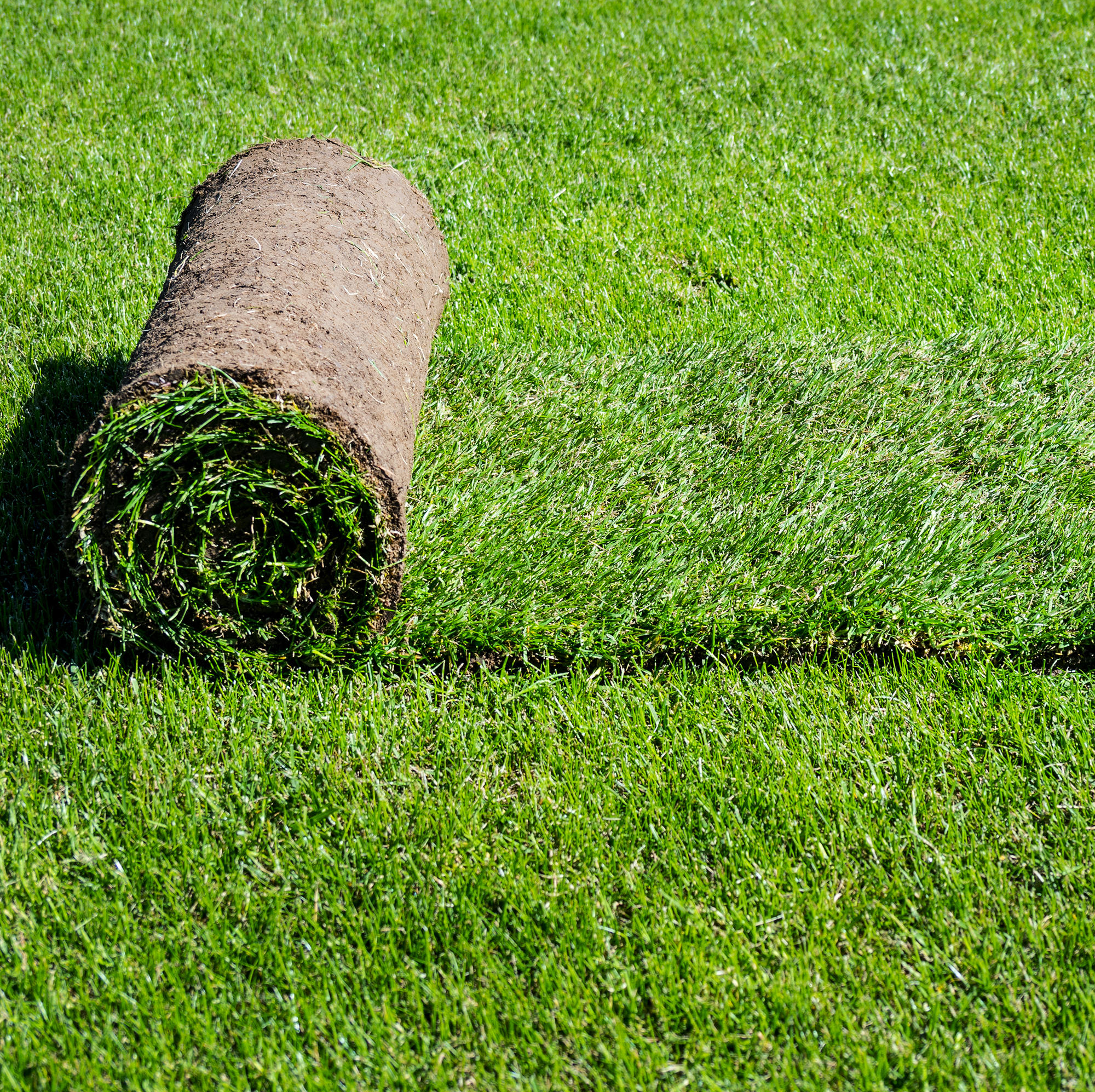
Sherborne Turf Rolls
Dwarf perennial ryegrass that takes the daily traffic and grows back, cut to order at the Dorset yard. One roll covers a square metre.
Which suits wildlife and low-input areas?
For banks, verges, orchard floors and wildlife corners, meadow turf earns its place. It brings grasses and native flowers that feed pollinators through the season, and it thrives on being left largely alone. The Royal Horticultural Society encourages meadow areas and reduced mowing as a straightforward way to lift garden biodiversity, and pre-grown wildflower turf gives that result in a season rather than several. Quiet corners, slopes that are awkward to mow, and areas set aside for nature all suit it.
For a fuller comparison of the flowering option against a grass lawn, read wildflower turf against a standard lawn.
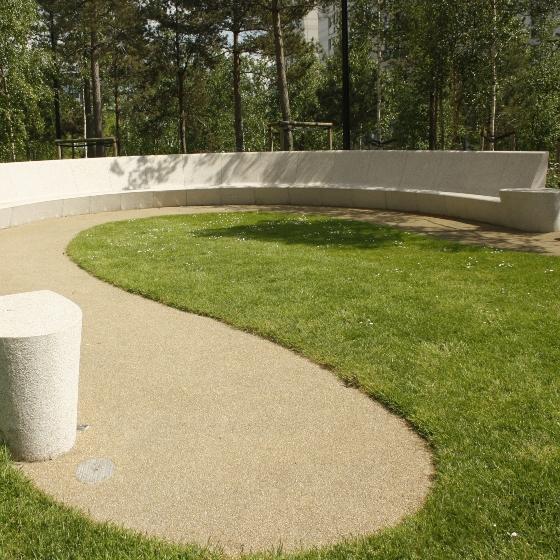
Species Rich Lawn Wildflower Turf
A naturally low-growing meadow mat that arrives established, so the flowers are there the first season. Sold per square metre, minimum order 10m².
Maintenance compared
The maintenance gap is the clearest difference between the two. The table below sets them side by side.
| Lawn turf | Meadow turf | |
|---|---|---|
| Cutting | Regular mowing in the growing season | One or two cuts a year |
| Feeding | Occasional feed for colour and wear | Little or none; low fertility suits flowers |
| Best for | Family use, play, pets, formal lawns | Banks, verges, wildlife, quiet corners |
| Wildlife value | Limited | High: supports pollinators |
| Look | Even green surface | Changing seasonal colour |
A meadow's low-input nature is the point, not a compromise. Cutting it hard and feeding it would work against the flowers, which do best on leaner ground.
Can you combine both?
Most gardens are better with both, split by how each area is used. Lay lawn turf where feet, pets and play go, and meadow turf on the banks, verges and corners set aside for nature. A homeowner near Shaftesbury laid a hard-wearing lawn across the main garden for the children, then turned a steep, awkward bank at the bottom into wildflower turf, which stopped the weekly battle to mow the slope and drew in bees within the first summer. The two surfaces meet at a mown edge that keeps the whole garden looking intentional.
If a bank feels too wild and a lawn too plain, Shaggy Floral Lawn Turf at £10.80 per m² sits between the two: low-growing flowering plants blended with gentle grasses, so you get flowers and pollinators on a surface that still reads as a lawn.
Establishment and timing
Both arrive pre-grown for instant coverage, and both establish best when laid onto prepared ground and watered in. Autumn is a strong window for either, with warm soil and reliable rain helping roots settle before winter, though spring works too. Meadow turf wants a low-fertility base, so it is one case where you do not enrich the soil first; lawn turf takes the usual fine, firm, levelled bed. Whichever you choose, laying it the day it arrives gives the best start.
Frequently asked questions
Is meadow turf the same as wildflower turf?
Yes. Meadow turf is sold as wildflower turf, a pre-grown mat of native flowers and finer grasses that gives a meadow surface straight away.
Can I walk on wildflower turf?
Occasional light use is fine, but it is not made for daily footfall. Regular traffic flattens the growth and loses the flowers, so keep everyday walking to a lawn.
Which needs less mowing?
Meadow turf, by a wide margin. It takes only one or two cuts a year, while lawn turf needs regular mowing through the growing season.
Do I prepare the ground the same way?
Not quite. Lawn turf wants a fine, firm, levelled bed. Meadow turf prefers lower fertility, so you do not enrich the soil beforehand.
When is the best time to lay each?
Autumn is a strong window for both, with warm soil and steady rain, though spring works as well. Lay either the day it arrives for the best establishment.
Related reading
Match the surface to the space
Sherborne Turf grows both hard-wearing lawn turf and species-rich wildflower turf at The Lawn and Landscape Centre in Sherborne, Dorset, DT9 4GH, delivered across Dorset, Somerset and the South West or collected from the yard. Lay Sherborne Turf rolls where the garden takes daily use, and wildflower turf on the banks and corners you want buzzing. For advice on splitting a garden between the two, call 01935 850388 or email enquiries@sherborneturf.co.uk.


