
Choose mushroom compost to add organic matter and open up clay, horse manure to enrich soil and mulch with a nutrient-rich compost, and a soil improver to lighten and structure heavy ground.
All three are bulk soil improvers rather than growing composts, and the right one depends on your soil, your plants and the job.
This guide compares what each is made of, how it improves soil, its pH and any risks, when and how to use it, how to store it, and what a bulk bag covers.
Compare and order
Browse the compost range for Mushroom Compost, Horse Compost and soil improvers, delivered across the south of England.
What is the difference between these composts?
The short version is that mushroom compost and soil improvers work mainly on soil structure, while horse manure works mainly on fertility. Mushroom compost adds bulky organic matter that opens clay and holds moisture; a soil structure enhancer does the same job with a focus on breaking up compaction; horse manure carries more nutrients, so it feeds hungry ground as well as bulking it. All three are dug into the soil or laid as a mulch rather than planted into, which is what separates them from a bagged growing compost you sow and pot with. Choosing between them is really a question of whether your soil most needs opening up, feeding, or both.
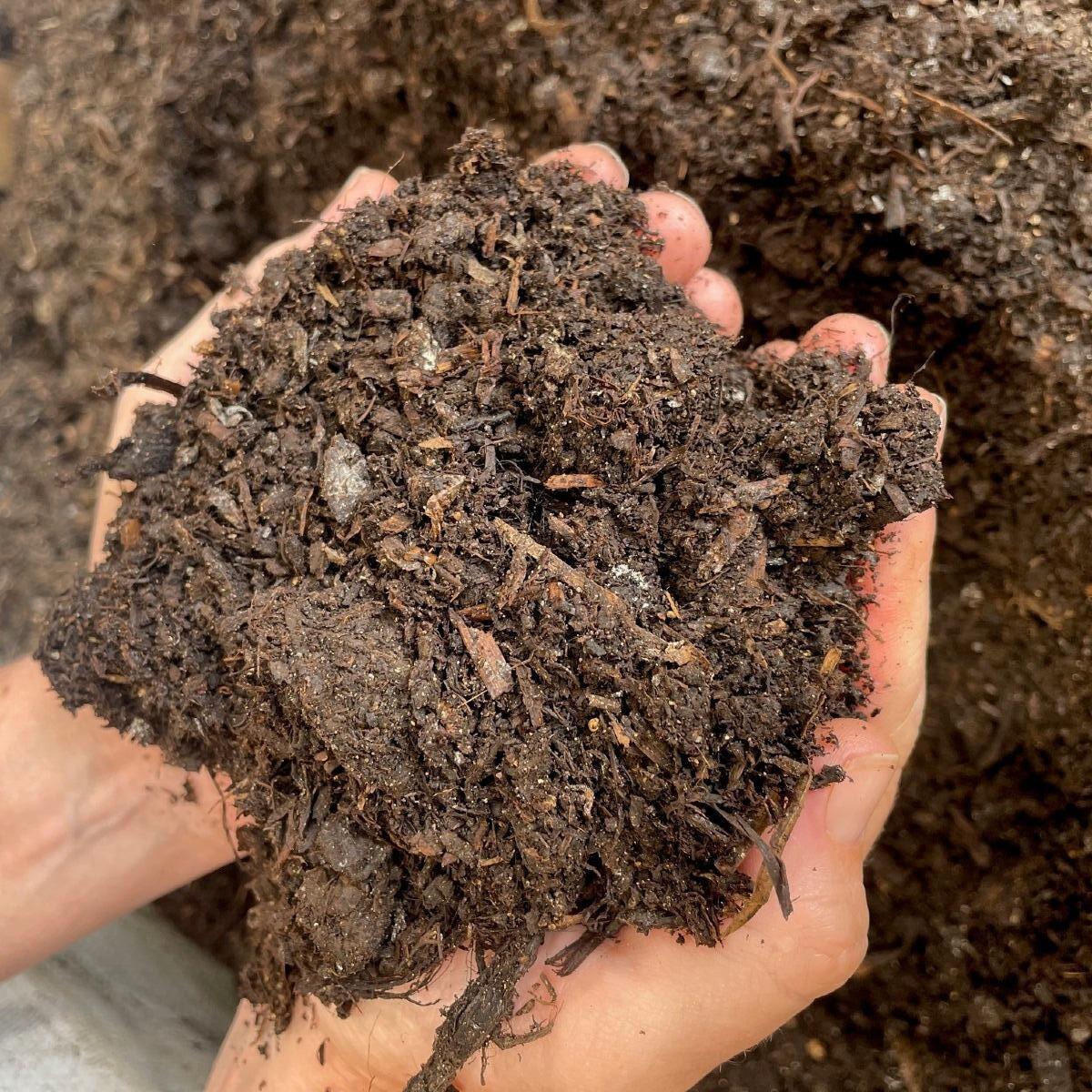
Mushroom Compost
Composted straw and animal manures, recycled from mushroom production. The all-rounder for Dorset clay and general bed improvement.
Shop Mushroom Compost →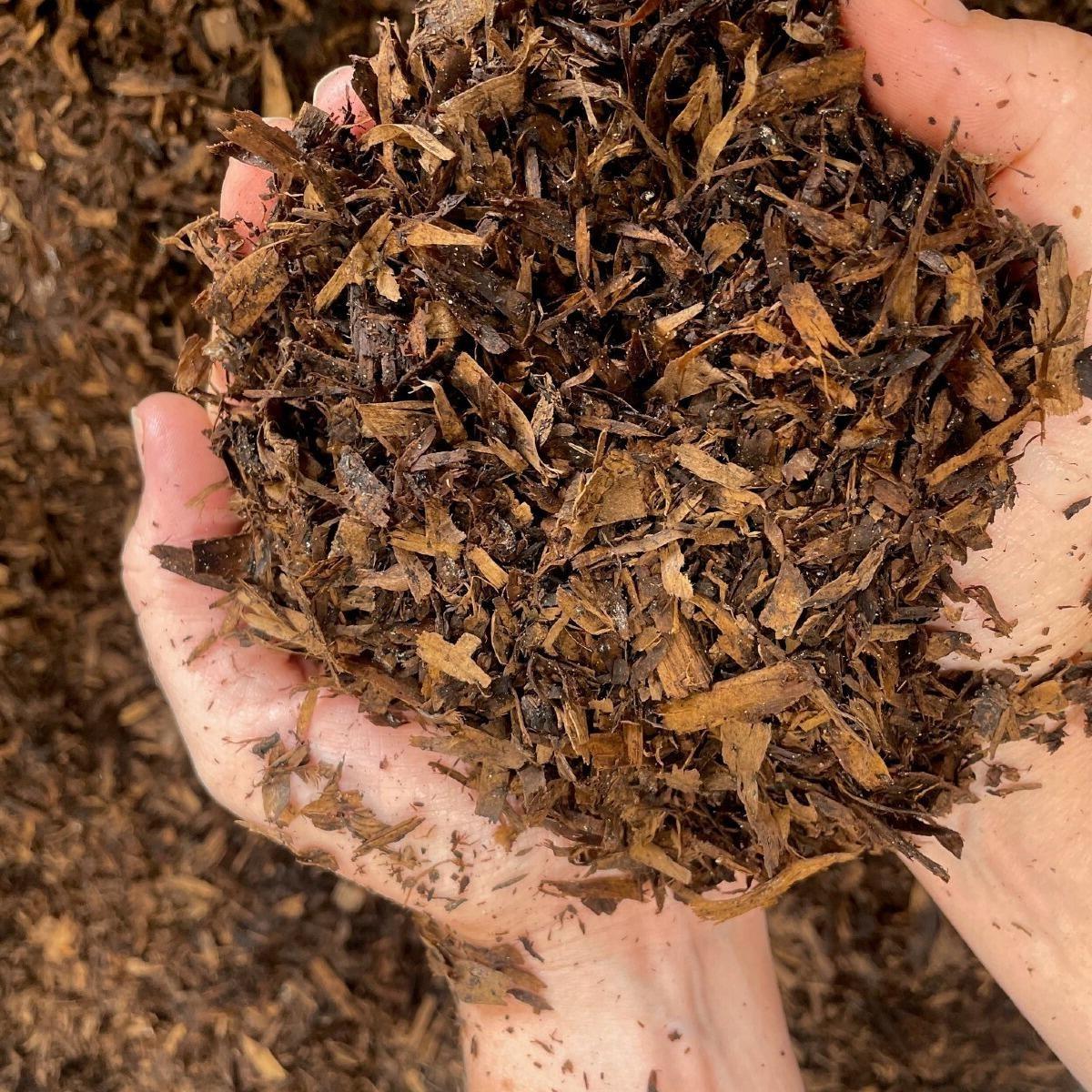
Horse Compost
Well-rotted stable manure, ready to use. The richest of the three and the one for hungry veg beds and rose borders.
Order Horse Compost →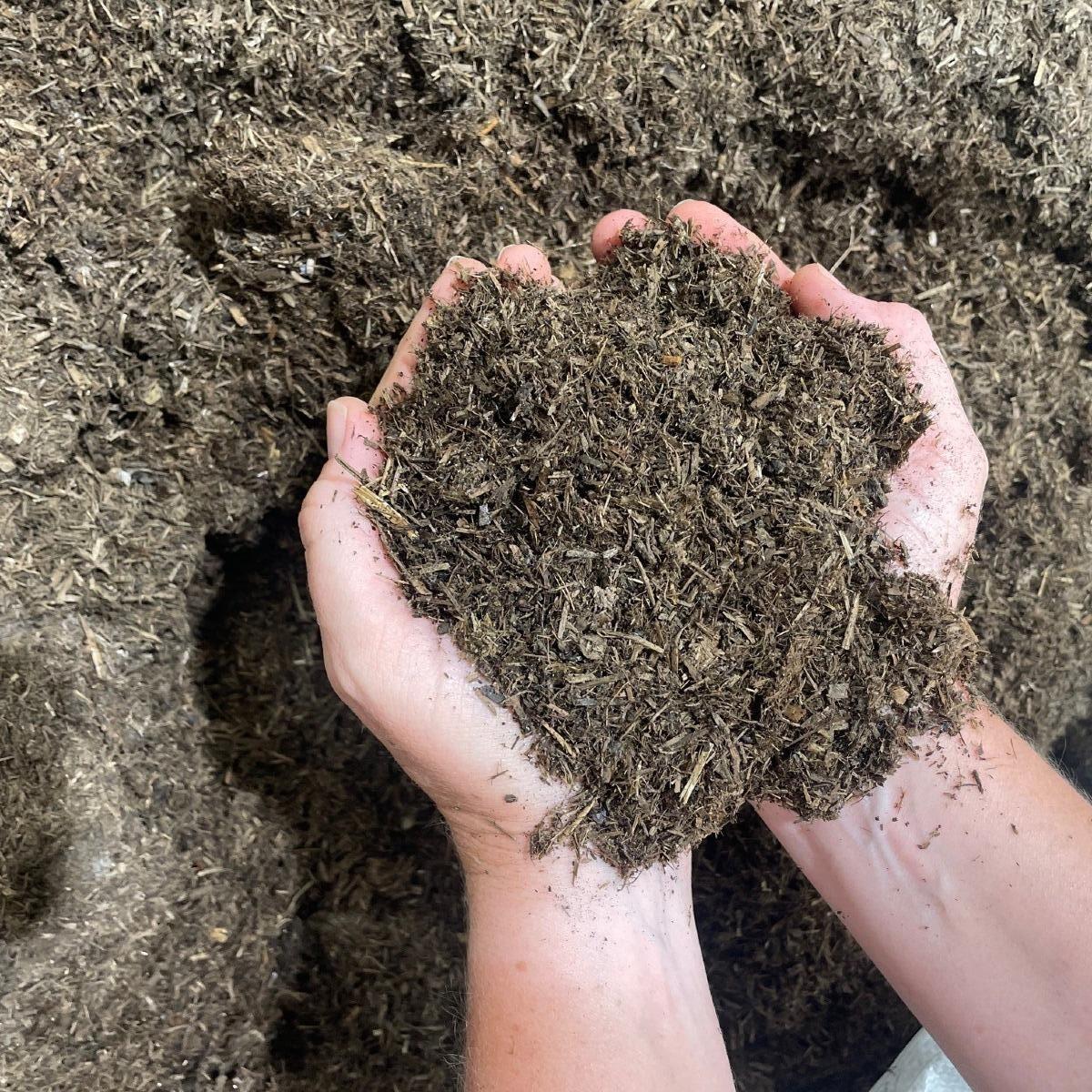
Soil Structure Enhancer
Built to break up claggy, compacted ground rather than feed it. The one for a border that has gone hard and lifeless.
Get the Soil Structure Enhancer →How does adding compost improve soil?
Organic matter is the thing that makes soil workable, and all three of these add it. Worked into clay, the bulky fibres wedge the fine particles apart, opening up air gaps so water drains and roots push through instead of hitting a solid, airless mass. Dug into thin or sandy soil, the same organic matter acts like a sponge that holds water and nutrients that would otherwise wash straight past. As it breaks down it feeds the soil life, the worms and microbes that keep the structure open, so a garden improved with compost each autumn gets easier to work year on year rather than harder.
Mushroom compost: organic matter and clay improvement
Mushroom Compost is a peat-free, recycled blend of composted agricultural straw and animal manures, and it is the one to reach for when you want to add organic matter and open up heavy clay. It improves soil structure and water retention, and it works well dug into beds and veg plots, though it is a soil improver rather than a compost to sow into directly. Its pH sits around 6.4 to 6.8, so it suits most beds, and being recycled from mushroom production it is an environmentally friendly choice that keeps a by-product out of waste. It draws steady local demand, including “mushroom compost near me”, because gardeners on Dorset clay reach for it every autumn.
Horse manure: a rich, nutrient-dense improver
Horse Compost is well-rotted manure collected from racing stables, ready to use, and it is the richest of the three. It carries nitrogen, phosphorus and potassium, which makes it a strong choice for enriching vegetable beds, mulching roses and feeding hungry ground, with a pH around 7.3. Spread a 50mm layer and fork or rotovate it in, or lay it as a mulch for the worms to pull down. Searches like “horse manure compost” and “well rotted manure near me” land here, and well-rotted is the point: fresh manure is too strong, can scorch plant roots and can rob nitrogen as it rots, whereas this has already broken down and is ready to use.
A 0.73m³ bulk bag holds around 500kg, which is roughly nine barrow runs. Set it down close to the beds on delivery day, because moving a full bag twice is a job nobody enjoys. Loose loads go up to 10m³ within the delivery area, and the yard sells refill bags by the kilogram for a single border.
Soil improver: structure for heavy ground
A soil structure enhancer, or the soil conditioning mix, is made to lighten and open compacted or heavy soil rather than to feed it heavily. Choose an improver when the problem is structure and drainage more than fertility, for example breaking up a claggy border so roots and water move through it, or reviving a bed that has gone hard and lifeless. It pairs well with horticultural grit for the very worst clay, and it is the lower-cost option where you simply need bulk organic matter to work in without the extra nutrients of manure.
Which compost for clay, veg, roses or a general lift?
Match the compost to the job. For heavy clay that needs opening up, mushroom compost or a soil improver. For hungry vegetable beds and roses that need feeding, horse manure. For general organic matter across the whole garden, mushroom compost is the flexible all-rounder that does a bit of everything. For a peat-free general compost, the Revive peat-free compost is the option, and the all-purpose compost covers everyday improving and topping up. Where the job is a lawn rather than a bed, a graded top dressing is the material to reach for, not a compost, because compost sits too rich and lumpy on grass.
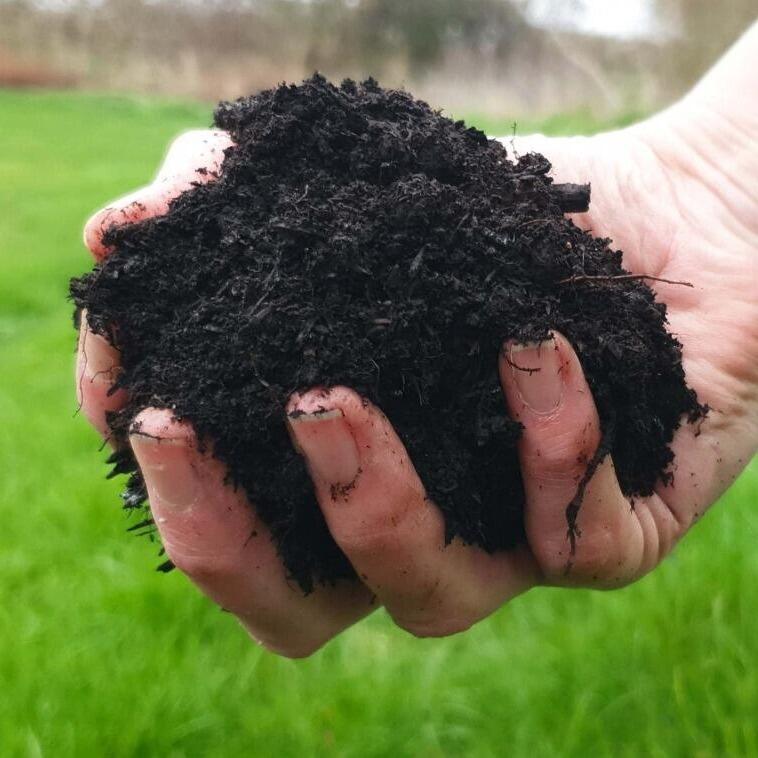
Revive peat free compost
The peat-free general compost for gardeners moving away from peat without giving up on the results.
Discover Revive peat free compost →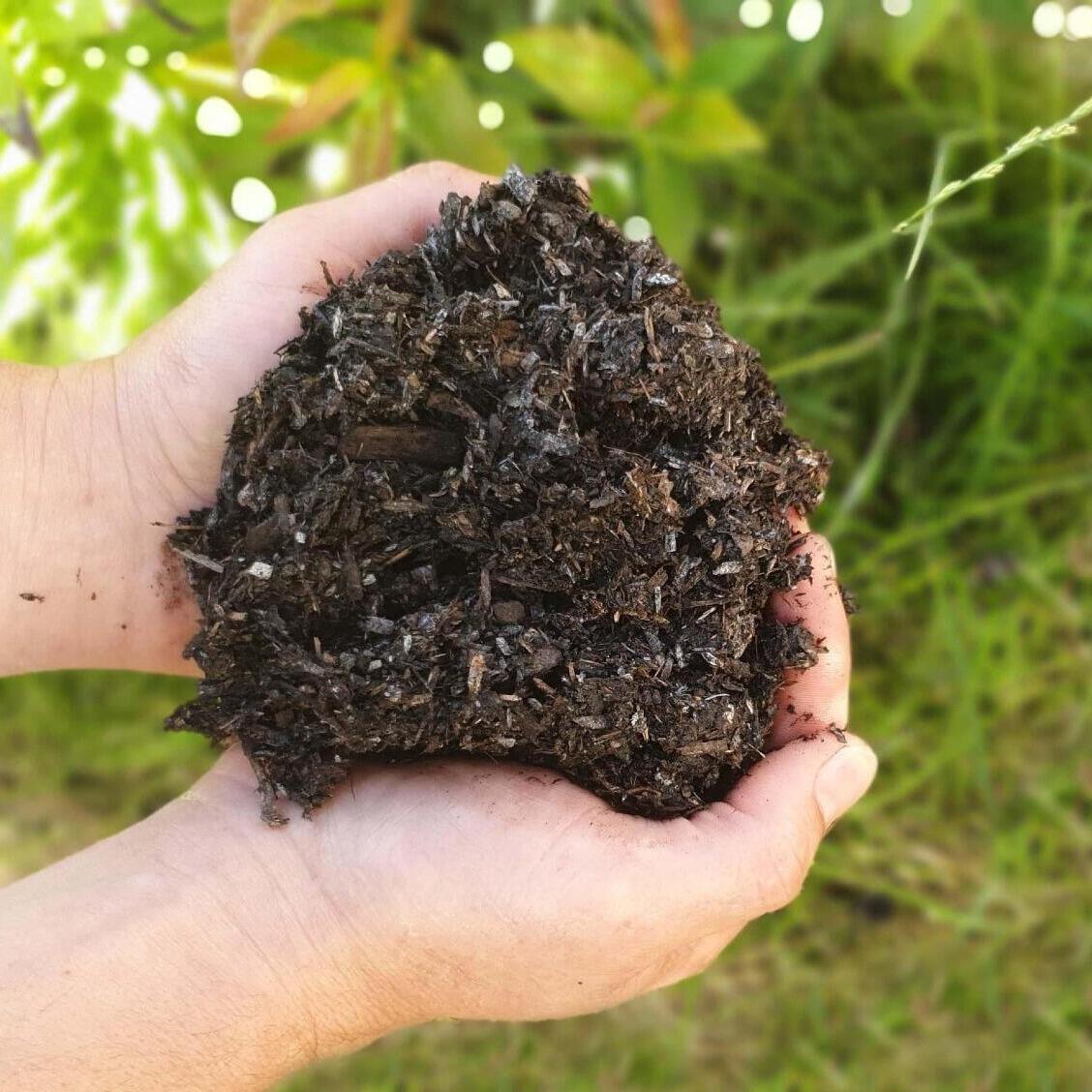
All Purpose Compost
Everyday improving and topping up, for the containers, the odd gap in a border and the jobs that do not need a specialist bag.
Buy All Purpose Compost →Using compost in a no-dig garden
If you garden no-dig, all three composts still fit; you simply lay them on the surface instead of digging them in. Spread a 50mm layer of mushroom compost or well-rotted manure over cleared beds in autumn and leave the worms to draw it down over winter, and by spring you have a fine, crumbly planting surface with the soil structure below left undisturbed. Manure suits the hungrier no-dig beds and mushroom compost the general borders. This is one of the easiest ways to improve a plot, and it uses the same bulk bags, just spread rather than forked.
A note on pH and what not to use where
Match the compost's pH to the plants. Mushroom compost and horse manure both sit at or above neutral, so they suit most vegetables, roses and general borders, but they are not the choice for acid-loving, ericaceous plants such as rhododendrons, camellias, azaleas and blueberries, which want an ericaceous compost instead. On very free-draining soil the richer horse manure is often the better lift, because it adds feeding as well as bulk, while on heavy clay the structure-opening mushroom compost or soil improver does more. On a brand-new veg plot, a mix of manure for feeding and mushroom compost for structure covers both bases.
When to use them: the autumn window
Autumn is the ideal time to work all three into the soil, as beds are cleared and put to rest. Spread and fork them in now, or lay them as a mulch, and they break down over winter, so the ground is easier to work and ready to plant by spring. On clay especially, an autumn dig-in of mushroom compost or a soil improver, sometimes with grit, transforms how the soil handles by the following season. Doing it in autumn also spreads the work away from the busy spring, and the winter rain and frost help break the material and the soil down together.
Beds cleared this month and mulched now will be workable by the time you want to sow. Bulk bags and loose loads run on our own vehicles across Dorset, Somerset, Devon, Hampshire and Wiltshire.
Storing and handling compost
If you cannot spread a bulk bag straight away, keep it tied and out of the worst of the rain so it does not turn soggy and heavy to handle, and it will keep for weeks. Plan your access before delivery, because a full bulk bag is heavy and best set down close to the beds, and a builder's barrow at roughly 0.08m³ a load means around nine barrow runs per full bag. Well-rotted material has an earthy, not sour, smell; if a heap smells strongly of ammonia it needs longer to rot, which is why buying it ready-rotted saves the wait.
How much do you need, and delivery
Compost is lighter than soil, so a 0.73m³ bulk bag holds roughly 500kg and covers about 14 to 15m² spread at a 50mm improving depth. A single border of 10m² takes under a bag, a set of borders at 30m² takes about two, and a whole plot dug over is better as a loose load. For larger jobs you can book loose loads up to 10m³ delivered within our delivery area, and “bulk compost delivery” across the south of England is charged by postcode. Smaller amounts are available as refill bags and by the kilogram from the yard. Work out quantities with the calculator or the how much compost guide, and for the bag-versus-loose choice see loose loads or bulk bags.
Two worked examples
A gardener in Sherborne improving a wet clay veg plot forked two bulk bags of mushroom compost across the beds and a bag of soil structure enhancer through the heaviest corner, all in October, with a scatter of grit on the stickiest ground. By spring the plot drained and worked far better, and the beds were ready to sow without the usual claggy dig that had put them off growing veg for years.
A grower with hungry raised beds, a rose border and a no-dig patch took horse manure and mushroom compost together. One bulk bag of manure mulched the roses at 50mm and enriched the veg beds forked in, feeding the ground for the season ahead, while a bag of mushroom compost spread over the no-dig beds was left for the worms, and a scatter of all-purpose compost topped up the containers.
Bulk compost FAQ
What is the difference between mushroom compost and horse manure?
Mushroom compost adds organic matter and opens up clay; horse manure is richer in nutrients for feeding beds. Both are soil improvers dug in or mulched, not composts to sow into.
Which compost is best for clay soil?
Mushroom compost or a soil structure enhancer, both of which open up heavy ground and improve drainage. Fork them into the top layer over autumn and winter, with grit on the worst clay.
Which compost is best for a vegetable garden?
Well-rotted horse manure for feeding hungry veg, or mushroom compost to add organic matter and structure. Both are dug in, and manure should always be well-rotted, not fresh.
What is the pH of mushroom compost and horse manure?
Mushroom compost sits around 6.4 to 6.8 and horse manure around 7.3, so both suit most plants but not acid-loving, ericaceous ones like rhododendrons and blueberries.
Can I use these composts no-dig?
Yes. Spread a 50mm layer over cleared beds in autumn and let the worms draw it down over winter, leaving the soil structure below undisturbed.
How much does a bulk bag of compost cover?
A 0.73m³ bulk bag holds about 500kg and covers roughly 14 to 15m² at a 50mm depth. Use the calculator to size a specific area.
Can I plant directly into these composts?
No. Mushroom compost, horse manure and soil improvers are made to be dug into the soil or laid as a mulch. For sowing and potting, use a growing compost instead.
Do you deliver bulk compost locally?
Yes, across the south of England, charged by postcode, with loose loads up to 10m³. Collection from the yard avoids the delivery charge.
Should You Buy Loose Loads or Bulk Bags for Landscaping Materials?
Where the crossover sits between bagged and loose once access, storage and plot size come into it.
Read loose loads against bulk bags →What Does Bark Mulch Do in Beds, Borders, and Landscape Projects?
The other autumn mulch, and where a bark topping does a job compost cannot.
Read what bark mulch does in borders →Order the right compost for your soil
Sherborne Turf supplies mushroom compost, horse manure and soil improvers by the bulk bag or loose from The Lawn and Landscape Centre in Sherborne, Dorset, DT9 4GH, on its own vehicles across the south of England, with Dorset, Somerset, Devon, Hampshire and Wiltshire the key counties, and bagged orders sent nationwide by pallet line. Compare the compost range, size the job with the calculator, and call 01935 850388 for a delivery quote or loose-load quote.
For a postcode delivery quote or a loose-load booking, call 01935 850388 or email enquiries@sherborneturf.co.uk. Growers, landscapers and estate teams taking compost by the load can apply for a trade account.


