
Garden machinery for lawn care should match the size of the lawn, the way the garden is used and the finish the owner wants. A small lawn may only need a mower, grass trimmer and a few basic tools. A larger lawn, estate garden or trade site may need a wider mower, stronger trimming equipment, battery tools, blowers and regular servicing. The right setup keeps mowing easier, protects the grass, helps edges stay tidy and supports the lawn through spring growth, summer use, autumn leaf fall and winter storage.
- ✓A good mower is the main machine for keeping a lawn healthy and usable.
- ✓Grass trimmers, often called strimmers, tidy edges, fence lines and awkward corners.
- ✓Blowers help clear leaves, grass clippings and debris from lawns, paths and patios.
- ✓Hedge trimmers support lawn care by keeping boundary growth under control.
- ✓Battery garden tools can suit many home gardens and trade jobs when runtime matches the workload.
- ✓Petrol machinery may still suit some heavy duty, remote or long session work.
- ✓Sharp mower blades matter because torn grass can weaken the lawn surface.
- ✓Newly laid turf should only be mown once the roots have started to grip.
- ✓Scarifiers, aerators and spreaders can help with seasonal lawn care when the lawn needs extra support.
- ✓Servicing helps machinery cut cleanly, start reliably and last longer.
- ✓Sherborne Turf can help customers choose garden machinery, lawn care products and turf support from its Sherborne site.
Sherborne Turf can help match the tool to the lawn
Sherborne Turf supports homeowners, landscapers, contractors and trade buyers with Garden Machinery Sales, lawn care products, turf, topsoil and local advice from The Lawn and Landscape Centre in Sherborne. Machinery choice should come from the real garden, not just the machine that looks strongest on the shelf.
A small Dorset town garden, a shaded family lawn, a sloped Somerset plot and an estate grass area all need different equipment. Sherborne Turf can help buyers think through lawn size, access, storage, mowing frequency, battery runtime, servicing needs and whether the wider project also needs turf, topsoil or aftercare products.
Start with the mower because it does the main lawn work
A mower is the main machine needed for regular lawn maintenance. It controls grass height, keeps the lawn usable and shapes how neat the whole garden looks.
The right mower should suit the lawn size, surface, access and cutting routine. Small lawns often suit a compact battery mower. Medium family lawns may need a mower with stronger collection, wider cutting and easier handling. Larger lawns, estates and trade sites may need a self-propelled, ride-on or professional setup.
A mower should also suit the way the lawn is used. A family lawn needs a practical cut that can handle play, pets and regular traffic. A formal lawn needs a clean and even finish. A newly laid turf area needs careful cutting with sharp blades and a higher setting once the roots have started to hold.
Choose cutting width around access, not just lawn size
Cutting width affects how quickly the lawn can be mown. A wider mower saves time on open lawns, but it can become awkward in narrow gardens, tight paths, small sheds and curved borders.
Access should be checked before buying. Gates, steps, side paths, shed doors and turning space all matter. The biggest mower is not always the best mower. The right mower is the one that fits the lawn and can move easily to and from the storage area.
Collection or mulching depends on how the lawn is used
Grass collection suits lawns where a clean finish matters. Family gardens, front lawns, play areas and seating spaces often benefit from collection because loose clippings are less likely to spread across paths, patios and indoor floors.
Mulching can work well when grass is cut regularly and not left too long. The mower cuts the grass finely and returns it to the surface, which can suit some maintenance routines. It is less useful when grass is wet, overgrown or already stressed.
Side discharge may suit larger rougher areas where speed matters more than a tidy finish. It is usually less practical for smaller domestic lawns where clippings would spread into beds, paths or seating areas.
Which mower works best for different lawn sizes?
The best mower depends on lawn size, access, slope, grass condition and how often the area is cut. Buyers should choose around the job they do most often, not the difficult cut they may do once a year.
| Lawn Type | Better Machinery Choice | Why It Fits |
|---|---|---|
| Small town garden | Compact battery mower | Easy to store, light to handle and practical in tight spaces |
| Medium family lawn | Battery mower or self-propelled mower | Good balance of power, comfort and cutting control |
| Large domestic lawn | Wider self-propelled mower or ride-on mower | Saves time and reduces effort on bigger areas |
| Sloped lawn | Lightweight self-propelled mower | Easier to control and less tiring to use |
| Formal lawn | Mower with clear height control and sharp blades | Gives a cleaner and more even finish |
| Newly laid turf | Lightweight mower with sharp blades and higher setting | Reduces stress on young turf during early cuts |
| Estate or trade site | Professional mower setup | Handles larger areas, repeat use and heavier workloads |
The mower should feel comfortable in real use. Handle height, weight, noise, storage and starting method all affect how often the machine gets used properly.
A mower that is easy to use is more likely to be used at the right time. Healthy lawns usually respond better to regular controlled cutting than long gaps followed by one heavy cut.
Grass trimmers finish the areas a mower cannot reach
Grass trimmers tidy lawn edges, fence lines, tree bases, wall edges and awkward corners that a mower cannot cut cleanly. They make the difference between a lawn that has only been mown and a garden that looks properly finished.
A small garden may only need a light trimmer for edges and tight corners. Larger gardens, rough grass and trade work may need a stronger strimmer or brush cutter. The right choice depends on grass thickness, frequency of use and how close the tool needs to work around plants, posts, walls and borders.
A trimmer should not replace mowing or proper edging. Its job is to finish the detail. Heavy use around trees, shrubs and border plants can cause damage, so control matters. Discover line trimmers and brushcutters →
Lawn edges need regular attention
Lawn edges make a garden look tidy even when the grass is not perfect. A clean line beside paving, borders, bark mulch, gravel or planting areas helps the whole space look more organised.
Edges often become messy when grass creeps sideways into beds or paths. Regular trimming keeps the lawn shape visible and reduces the need for bigger corrective work later.
Rough grass needs a stronger tool
Rough grass, banks, verges and neglected corners may need more than a light trimmer. A brush cutter can be useful where grass is thick, growth is woody or the area is not maintained every week.
Tool choice should follow the ground. A light trimmer may struggle with rough areas. A heavy brush cutter may be unnecessary for neat domestic edging.
Blowers and hedge trimmers help the lawn stay cleaner
A healthy lawn is easier to maintain when the surrounding garden is also under control. Leaves, hedge growth, clippings, shade and debris all affect how the lawn looks and performs.
A blower helps clear leaves, grass clippings and loose debris from lawns, paths, patios and driveways. A hedge trimmer helps keep boundary growth and shrubs away from lawn edges. A multi-tool can support several jobs through one power unit, which may suit buyers who want a flexible setup without buying a separate machine for every task.
The mower does the main grass cutting. The trimmer finishes the edges. The blower clears the surface. The hedge trimmer keeps surrounding growth under control. Most gardens need a small system rather than one machine doing everything.
Leaf clearing matters in autumn
Leaves should not sit heavily on a lawn for long periods. A thick layer blocks light, traps moisture and can weaken the grass underneath.
A rake may be enough for a small garden. A blower becomes useful where trees are close to the lawn, leaf fall is heavy or the area needs clearing regularly. This is especially useful for larger domestic lawns, estate grounds and trade maintenance work.
Hedge growth can change how the lawn performs
Hedges and shrubs can shade the lawn, reduce airflow and drop debris onto the grass. Regular cutting helps keep boundary growth under control and can make lawn care easier.
Shade is not always solved by machinery. Some shaded lawns may still need a more suitable turf choice, better soil preparation or a different maintenance routine. Machinery helps manage the growth around the lawn, but the site still needs to be judged properly.
Battery-powered garden tools can suit many lawn care routines
Battery-powered garden tools can suit many home and trade lawn care jobs when the battery platform, runtime and tool strength match the workload. They are often easier to start, quieter to use and simpler to store than petrol tools.
Battery mowers, trimmers, hedge trimmers and blowers can work well for domestic gardens, regular lawn care and many contractor tasks. A shared battery platform can also make the setup more practical because the same battery system may support several tools.
Runtime is the main issue to check. A small lawn may only need one suitable battery setup. A larger garden, trade user or estate team may need spare batteries, faster charging and a planned tool system so work does not stop halfway through the job.
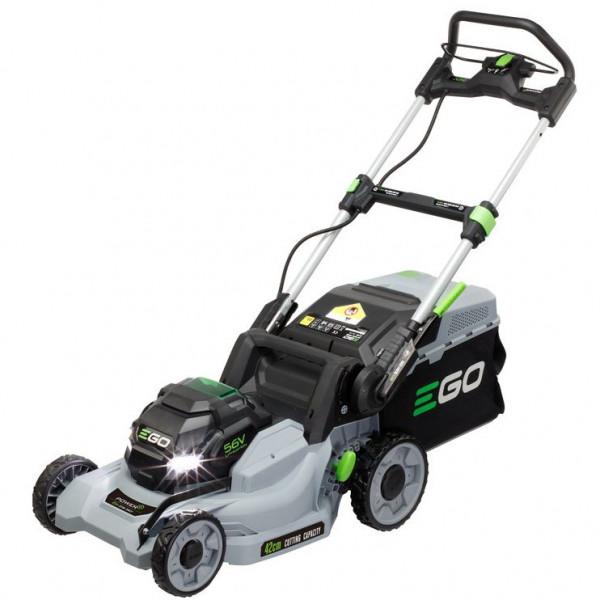
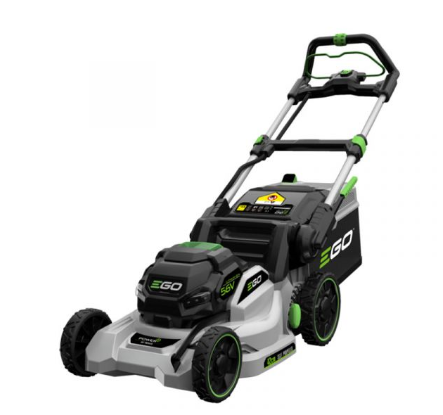
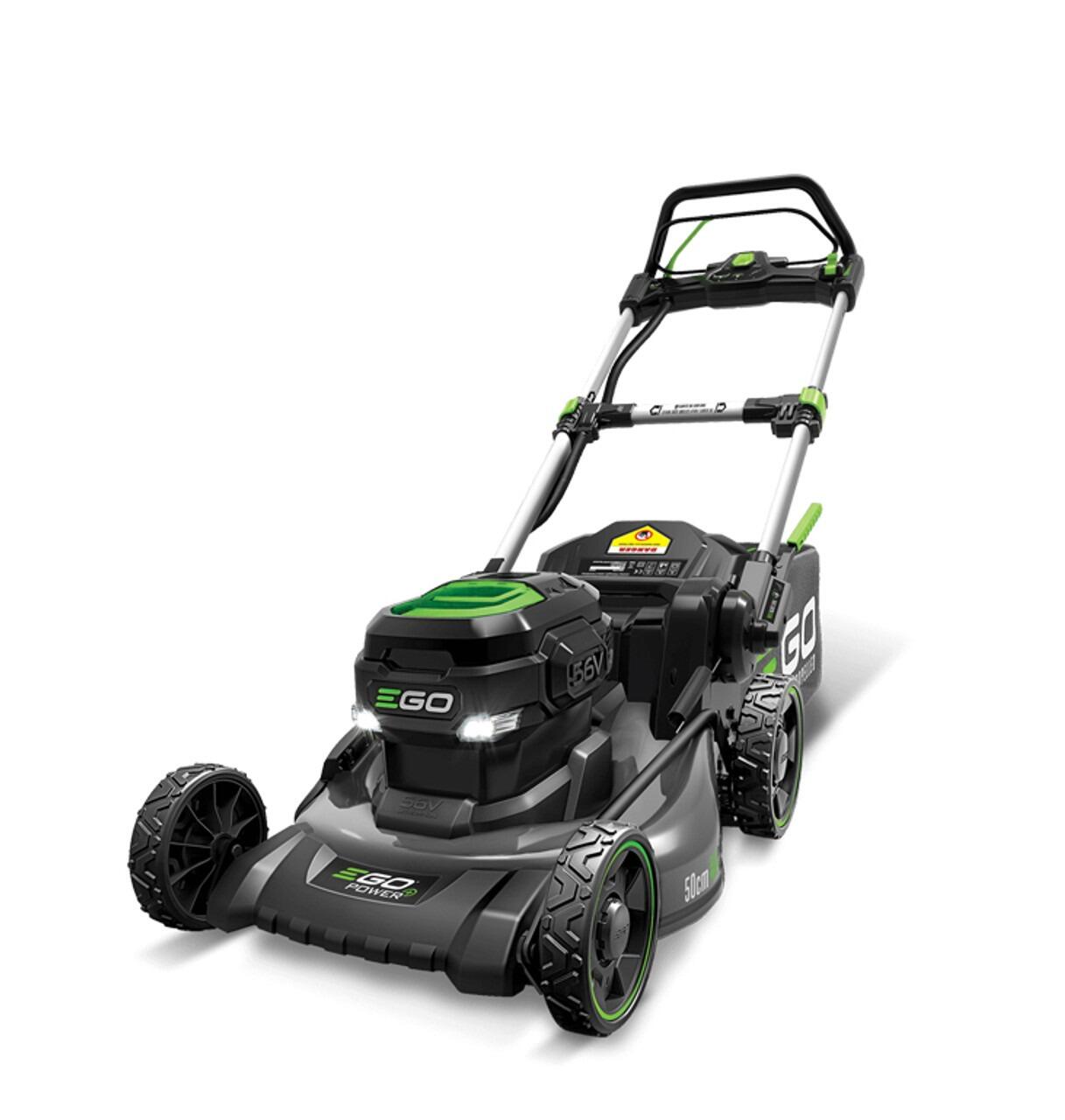
Selected kits are supplied to order with next-day delivery where available. Check the live product page for current battery, charger and stock details.
Battery tools are only convenient when the battery setup matches the job. A mower with too little runtime, a slow charger or no spare battery can become frustrating on a larger lawn. Check lawn size, cutting time, charging access and whether the same battery platform can power future tools such as a trimmer, hedge trimmer or blower.
Petrol machinery still has a place in some gardens
Petrol machinery can still make sense for heavy duty, remote or long session work where charging access or runtime may limit battery tools. Some professional users still prefer petrol for certain jobs.
That does not make petrol the automatic choice. Noise, fumes, fuel storage, starting issues and servicing needs all matter. The better option depends on the property, workload and user.
Many buyers now compare petrol and battery tools by real use rather than habit. A small garden may be much easier with cordless tools. A large rural site may need a different approach. Sherborne Turf can help customers compare Battery-Powered Garden Tools with other machinery options based on the work they actually need to do.
Do you need scarifiers, aerators or spreaders?
Scarifiers, aerators and spreaders can help with seasonal lawn care, but they are not needed for every garden every week. They are support tools for specific lawn problems or maintenance goals.
A scarifier helps remove moss and thatch when the lawn has built up too much dead material near the surface. This can help air, water and nutrients reach the grass more effectively, but it should be done at the right time and with care because scarifying can stress the lawn when conditions are poor.
An aerator helps compacted lawns by creating small holes in the ground. This can be useful where soil has become tight from foot traffic, play, pets, machinery or poor drainage. Clay-heavy gardens in Dorset and Somerset may need careful judgement because aeration helps some lawns but does not fix every drainage issue on its own.
A spreader helps apply lawn seed, fertiliser or lawn treatment more evenly. It can be useful for larger lawns or customers who want more consistent coverage than hand spreading. Product choice still matters, so seed, feed and lawn care products should be matched to the season and the condition of the grass.
What machinery do you need after laying new turf?
Newly laid turf needs gentle machinery use once the lawn has started to root. The surface may look finished as soon as the rolls are down, but the turf still needs time to connect with the soil below.
The first mow should wait until the roots have started to grip. A lightweight mower, sharp blades and a higher cutting setting are usually safest. Heavy machines, tight turns and aggressive cutting can disturb seams and slow establishment.
This matters for any new lawn, including Fresh-Cut Turf Establishment projects where the result depends on freshness, soil contact, watering and early aftercare. Mowing too soon can undo good preparation.
Do not treat newly laid turf like a normal lawn straight away. Children playing, dogs running, heavy mowing and garden furniture can disturb the surface before roots have gripped. Wait until the turf feels secure, use a light mower, keep the blades sharp and remove only a small amount on the first cut.
Sharp blades protect new and established grass
Sharp mower blades cut grass cleanly. Blunt blades tear grass, leave ragged tips and can make the lawn look pale or stressed.
Blade condition matters even more on new turf. A weak or torn cut can slow recovery and make the lawn look untidy. Regular blade checks should be part of normal mower care, not something left until the lawn looks poor.
Heavy machines can disturb young turf
Heavy machinery can leave marks or shift turf before roots have properly gripped. Tight turning can also pull at seams, especially when the soil is wet or soft.
New turf should be treated carefully until it feels secure. Light mowing, gentle turning and careful timing protect the work already done in ground preparation and laying.
Seasonal lawn care needs different tools at different times
Lawn machinery needs change through the year because grass growth, weather, leaf fall and garden use all change. A good setup supports the lawn in each season, not only during peak mowing months.
Spring is usually the time for first cuts, edge tidying, blade checks and machinery servicing. Grass often starts growing quickly, but weak areas should not be cut too hard after winter.
Summer usually needs regular mowing, trimming and hedge control. During dry spells, the lawn may need a higher cutting height to reduce stress.
Autumn often brings leaf clearing, final cuts and border tidying. Blowers, rakes and mower cleaning become more important as moisture and debris increase.
Winter is the best time for cleaning, storage, battery care, servicing and planning upgrades before the next mowing season. Dirty, damp or poorly stored machinery can create problems when spring arrives.
Servicing keeps garden machinery cutting properly
Garden machinery servicing helps equipment stay safe, reliable and ready for the season. Mowers, trimmers, hedge tools, blowers and battery systems all perform better when they are cleaned, checked and maintained.
Mower servicing is especially important because blades, decks, drive systems, cables, filters, batteries and chargers all affect performance. A mower that cuts poorly can make the lawn look uneven even when the mowing routine is correct.
Servicing should not only happen after a breakdown. Routine checks can reduce downtime, improve cutting quality and help buyers avoid replacing equipment too early. Sherborne Turf can support customers looking for Machinery Servicing & Repairs and practical aftercare guidance.
Blade checks should be part of normal care
Mower blades directly affect lawn health and finish. A blunt blade can tear grass instead of cutting it cleanly.
A poor blade can also make the owner blame the lawn when the machine is the real issue. Ragged tips, uneven colour and rough cutting can all point to blade or servicing problems.
Clean machinery works better for longer
Clean machinery cuts better, collects better and usually lasts longer. A mower deck packed with wet clippings will not move air or grass properly.
Battery contacts, vents and tool housings should also be kept clean and dry. Good cleaning habits make the next job easier and reduce wear over time.
Battery care protects long-term value
Battery care matters because batteries are a major part of cordless machinery performance. Charging, storage and temperature all affect long-term use.
Batteries should be stored and charged according to the manufacturer’s guidance. Damp sheds, extreme temperatures and poor charging habits can reduce runtime and reliability.
Common lawn machinery mistakes
Garden machinery mistakes usually come from buying the wrong size tool, cutting too low, ignoring blades or skipping maintenance. These problems can make lawn care harder and weaken the finished surface.
| Mistake | Why It Causes Problems | Better Approach |
|---|---|---|
| Buying the biggest mower without checking access | Gates, paths and shed space may be too narrow | Measure access before choosing a mower |
| Buying a mower that is too small | Larger lawns become slow and tiring to cut | Match cutting width to lawn size |
| Cutting too low | Grass becomes stressed and weak areas show quickly | Use a sensible height for the season |
| Using blunt blades | Grass is torn instead of cut cleanly | Sharpen or replace blades when needed |
| Forgetting battery runtime | The job may stop halfway through | Plan batteries, chargers and spare capacity |
| Leaving leaves on the lawn | Light is blocked and moisture is trapped | Clear leaves during autumn |
| Mowing new turf too soon | Seams can move and roots can be disturbed | Wait until the turf has started to grip |
| Skipping servicing | Breakdowns and poor cutting become more likely | Book checks before peak season |
Most mistakes are easy to avoid with planning. Machinery should be chosen, used and cared for as part of lawn maintenance, not treated as a one-off purchase.
How should homeowners choose the right machinery setup?
Homeowners should choose garden machinery by looking at lawn size, access, storage, cutting routine, strength, comfort and the finish they want. The best setup makes regular care easier instead of turning simple jobs into hard work.
A small garden may only need a compact mower, trimmer and basic hand tools. A medium family lawn may need a mower with good collection, a strimmer, a blower and basic lawn care products. A larger garden may need wider cutting, spare batteries, stronger tools and local servicing support.
The buyer should also think about who will use the machine. Weight, starting method, handle comfort, noise and maintenance all matter. A machine that feels difficult to use will often be used late, rushed or avoided.
How should landscapers and contractors choose machinery?
Landscapers and contractors should choose machinery around reliability, runtime, service support, transport and the type of sites they maintain. Trade use puts more pressure on tools than occasional domestic work.
A contractor may need spare batteries, spare blades, backup tools and a clear servicing plan. Equipment failure during a job costs time and can affect the customer’s view of the work.
Battery systems can suit many professional users, especially where noise and emissions matter. Larger, rougher or more remote sites may need a different setup. The best choice should follow real job patterns, site access and the number of lawns being maintained each week.
- ✓How large is the lawn?
- ✓Is the ground flat, sloped, rough or uneven?
- ✓Does the mower need to pass through narrow gates or paths?
- ✓How often will the lawn be cut?
- ✓Does the lawn need collection, mulching or side discharge?
- ✓Will one person use the machinery, or several?
- ✓Is battery runtime enough for the full job?
- ✓Can the same battery platform support future tools?
- ✓Is there safe storage space?
- ✓Does the buyer need local servicing and aftercare support?
- ✓Will the machinery be used on newly laid turf?
- ✓Does the wider garden also need hedge tools, trimmers or blowers?
- ✓Will the lawn need seed, fertiliser, topsoil or turf repair products as part of the same plan?
These questions help buyers avoid overbuying, underbuying or choosing machinery that feels right at first but wrong in daily use.
Machinery works best when the lawn below is right too
Garden machinery can only do so much when the lawn surface, soil or turf choice is wrong. A good mower will not fix poor drainage, compacted soil, weak turf or a lawn that is being used beyond what the surface can handle.
Lawn health also depends on soil, mowing height, watering, feeding, shade and foot traffic. A garden with poor soil may need Premium Topsoil for Lawn Preparation before new turf is laid. A shaded or exposed garden may need advice on the Best Turf for Dorset and Somerset Gardens before machinery becomes the main concern.
Machinery is part of the lawn care system. Turf choice, soil preparation, aftercare and regular maintenance all work together.
Choose machinery that fits the lawn, not just the season
The best garden machinery setup is the one that fits the lawn, the user and the maintenance routine. A healthy lawn does not always need the most expensive machine. It needs the right mower, sharp blades, clean edges, sensible cutting height, seasonal care and equipment that is looked after properly.
Sherborne Turf can help homeowners, landscapers, contractors and estate buyers choose garden machinery, lawn care products, turf and topsoil support from its Sherborne base. Share the lawn size, site conditions, access details, storage space and how often the garden will be maintained, and the team can help match the right setup to the job.
Plan Your Lawn Care Setup With Sherborne Turf
Match the mower, tools and aftercare to the lawn you actually have.
Share your lawn size, garden layout, access details, storage space and maintenance goals, and Sherborne Turf can help you choose suitable garden machinery, lawn care products, turf and topsoil for the project.
Visit The Lawn and Landscape Centre, or email enquiries@sherborneturf.co.uk
FAQ
What garden machinery do I need for a small lawn?
A small lawn usually needs a compact mower, a grass trimmer and basic hand tools for edges and tidy-up work. A blower can also help where leaves or grass clippings collect on paths and patios.
What mower is best for a medium family lawn?
A medium family lawn usually suits a battery mower or self-propelled mower with good grass collection and adjustable cutting height. The best choice depends on lawn size, storage, access and how often the grass is cut.
Are battery-powered garden tools good enough for lawn care?
Battery-powered garden tools are good enough for many lawn care jobs when the battery size, runtime and charger setup match the garden. Larger lawns and trade users may need spare batteries or a planned battery platform.
Do I need a grass trimmer if I already have a mower?
A grass trimmer is useful even when you have a mower because it cuts areas the mower cannot reach. Edges, fence lines, tree bases and tight corners usually need trimming after mowing.
What machinery should I use on newly laid turf?
Newly laid turf should be cut with a light mower, sharp blades and a higher cutting setting once the roots have started to grip. Heavy machinery and tight turning should be avoided during early establishment.
Do I need a scarifier for my lawn?
A scarifier is useful when the lawn has too much moss or thatch near the surface. It is not needed every week and should be used at the right time so the lawn can recover properly.
Does aerating a lawn help with compaction?
Aerating can help compacted lawns by allowing more air, water and movement into the soil. It can be useful for lawns affected by foot traffic, pets, play or heavy ground.
How often should garden machinery be serviced?
Garden machinery should usually be serviced at least once a year, especially before the main mowing season. Heavily used machines may need checks more often.
Why is my mower cutting unevenly?
A mower may cut unevenly because of blunt blades, uneven wheel settings, grass build-up under the deck, soft ground, long grass or poor mowing technique. Servicing and blade checks often solve the problem.
Should I buy petrol or battery garden machinery?
Petrol or battery machinery should be chosen by workload, runtime, storage, noise, maintenance and user preference. Battery tools suit many gardens, while petrol may still suit some heavy duty or long session jobs.


